

How Does a School Committee Improve the Quality of Education?
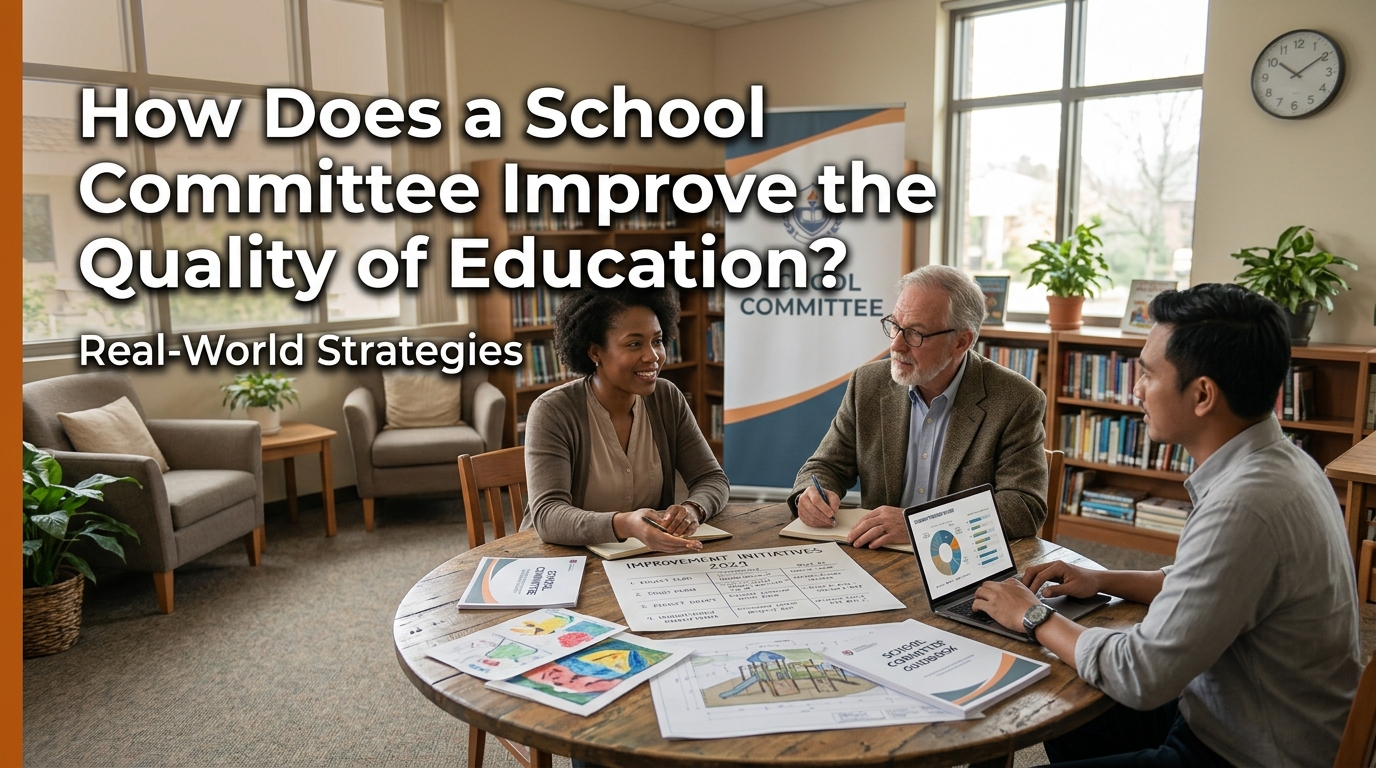
A school committee plays an important role in improving the quality of education by building cooperation between schools, parents, and the community. Its involvement helps schools identify educational needs, develop better programs, and create a supportive learning environment for students. Through active participation, school committees can provide useful suggestions and encourage schools to deliver better educational services.
Improving education quality requires more than the efforts of teachers and school administrators. Parents and community members also have valuable perspectives that can support school development. Therefore, a school committee serves as a communication partner that connects different groups and encourages shared responsibility for achieving better educational outcomes.
SUPPORTING SCHOOL DEVELOPMENT PROGRAMS
One way a school committee improves education quality is by supporting school development programs. The committee can provide recommendations about activities that improve teaching methods, student facilities, and learning resources. These suggestions help schools identify priorities based on their actual needs. Committee members can also encourage community participation in supporting educational activities. With proper cooperation, school development programs can become more effective and beneficial for students.
School committees may also help schools establish partnerships with local organizations, education experts, and other community groups. These partnerships can provide additional knowledge, resources, and opportunities for students. However, every program should be planned according to school priorities and applicable regulations. This approach helps ensure that development activities contribute directly to better educational services.
ENCOURAGING PARENT AND COMMUNITY PARTICIPATION
Parent participation is an important factor in creating a successful educational environment. School committees provide a platform where parents can express their opinions, share concerns, and suggest improvements. Through regular discussions, parents can understand school programs and become more involved in their children's education. Their feedback can also help schools recognize problems that may not be visible during classroom activities. This cooperation creates stronger relationships between families and educational institutions.
Community participation also brings valuable support to school development. Local residents and education professionals can contribute ideas, experience, or voluntary assistance based on their abilities. These contributions can help schools organize educational activities and improve available learning resources. When parents and communities actively participate, schools can build a more supportive environment for students.
IMPROVING SCHOOL FACILITIES AND LEARNING RESOURCES
Adequate facilities are essential for effective teaching and learning. School committees can help identify problems related to classrooms, libraries, laboratories, sanitation, and other educational resources. They can provide recommendations to school management about which facilities need improvement first. The committee may also encourage voluntary community support to help meet certain school needs. Better facilities can make learning activities more comfortable, safe, and productive.
In addition to physical facilities, learning resources also require attention. Schools need suitable books, teaching materials, digital tools, and other resources to support different learning activities. School committees can help communicate these needs to parents, community organizations, and relevant authorities. Any support should be managed transparently and according to educational priorities. As a result, students can gain better access to resources that support their academic development.
PROMOTING TRANSPARENCY AND ACCOUNTABILITY
Transparency and accountability are essential for maintaining public trust in educational institutions. School committees can encourage schools to communicate their programs, priorities, and use of resources clearly. They can also provide a channel for parents and community members to ask questions or submit feedback. Open communication helps reduce misunderstandings and encourages responsible school management. These practices support a healthier relationship between schools and the community.
School committees should also ensure that community contributions are handled responsibly. Financial assistance and donations must be managed according to applicable regulations and reported clearly. Contributions should be voluntary and must not become a condition for students to receive educational services. By promoting responsible management, school committees help create a fairer and more trustworthy educational environment.
SUPPORTING STUDENT ACHIEVEMENT AND DEVELOPMENT
School committees can contribute to student achievement by encouraging programs that support academic and non-academic development. They may recommend activities such as reading programs, competitions, extracurricular activities, and character education. These activities give students opportunities to develop knowledge, creativity, confidence, and social skills. The committee can also encourage schools to provide learning support for students who face academic difficulties. This involvement helps create opportunities for students with different abilities and interests.
Student development also depends on cooperation between teachers and parents. School committees can encourage communication about students' learning needs and educational challenges. Parents can provide information about their children's interests and difficulties, while teachers can share observations about classroom progress. Although committees do not directly manage student learning, they can help strengthen the cooperation needed to support student achievement.
PROVIDING SUGGESTIONS FOR BETTER EDUCATIONAL POLICIES
School committees can improve education quality by providing constructive suggestions about school policies and programs. Their recommendations may cover student welfare, learning facilities, school safety, and the development of educational activities. Because committee members represent different community perspectives, they can help schools understand concerns that might otherwise be overlooked. These suggestions can become useful considerations when school leaders make decisions. However, the final management decisions remain within the authority of the responsible school leadership.
Effective recommendations should be based on real needs, open discussions, and reliable information. Committee members should listen to different opinions before presenting suggestions to school management. They should also prioritize student interests rather than personal or group benefits. Through this process, school policies can become more responsive to educational needs and community expectations.
BUILDING COOPERATION BETWEEN SCHOOLS AND COMMUNITIES
Strong cooperation between schools and communities is necessary for long-term educational improvement. School committees help maintain communication between school leaders, teachers, parents, and community representatives. They can organize discussions, collect suggestions, and help identify solutions to common educational problems. This communication makes it easier for different groups to understand their responsibilities. As a result, school development becomes a shared effort rather than the responsibility of one institution alone.
Long-term cooperation can also create opportunities for schools to receive support from different sectors. Community organizations, businesses, and education professionals may contribute expertise or resources through appropriate partnerships. Such cooperation should always respect school independence and educational regulations. When relationships are built on trust and shared goals, schools can develop programs that provide lasting benefits for students.
CONCLUSION
A school committee improves the quality of education by supporting school development, encouraging parent participation, improving learning facilities, and promoting transparency. It also provides recommendations for educational policies and helps strengthen cooperation between schools and communities. These functions allow schools to understand their needs more clearly and develop programs that benefit students.
However, the success of a school committee depends on active participation, responsible management, and clear communication. The committee must work as an independent partner without replacing the responsibilities of school leaders and teachers. Through consistent cooperation and a focus on student needs, school committees can make a meaningful contribution to creating better educational services and a higher quality learning environment.
Recent Posts

Bagaimana Sistem SKS pada Program Kuliah... 22.11.2026/27 View

How Does Technology Make Daily Evaluation... 21.11.2026/65 View

Apa Strategi Menghadapi Kesenjangan antara Kompetensi... 21.11.2026/65 View

Mengapa Inventaris Aset Penting bagi Kelancaran... 21.11.2026/62 View

When Should Musicians Join a Record... 21.11.2026/63 View
