

How Does a School Committee Work with School Management?
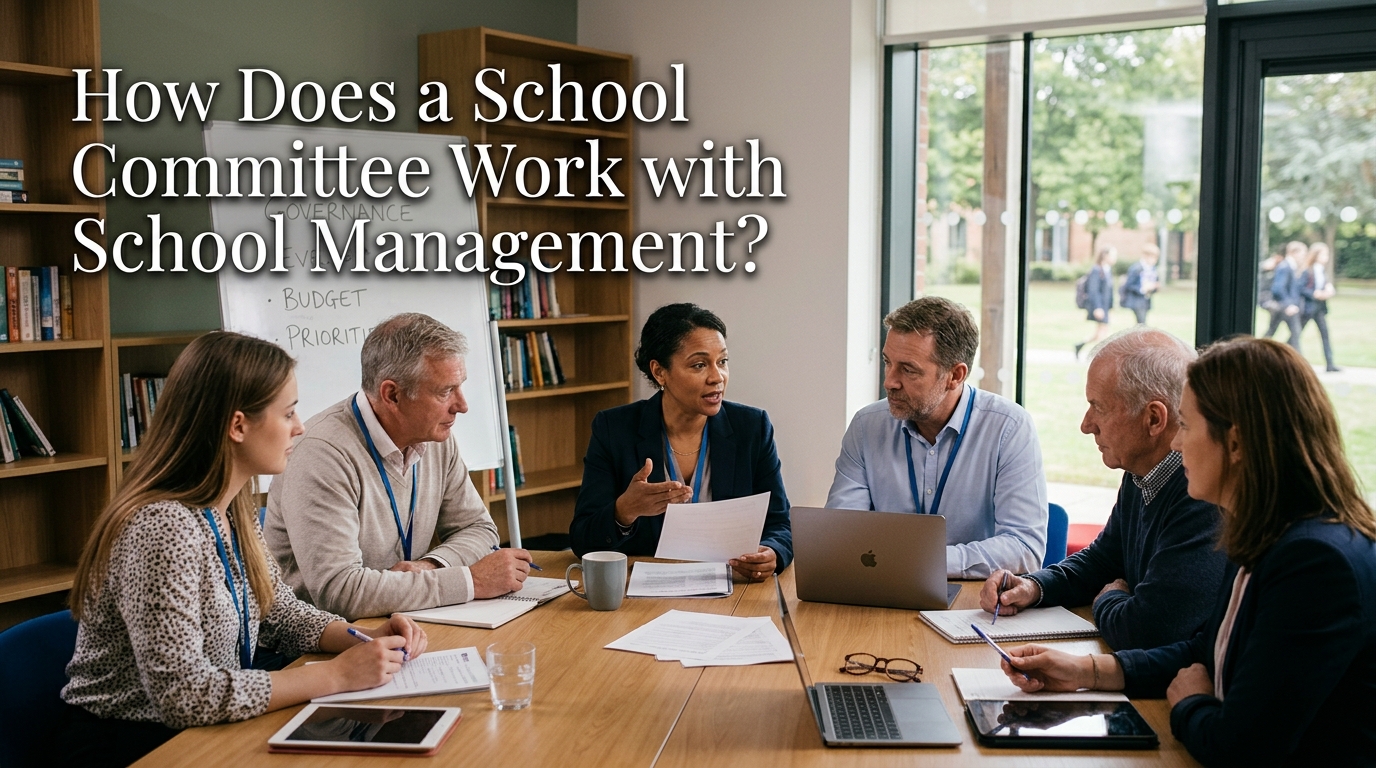
A school committee works with school management to support educational development and improve the quality of learning. Both parties have different responsibilities, but they share the same goal of creating a safe, comfortable, and effective learning environment for students. School management handles daily school operations, while the committee provides recommendations, community input, and additional support. Their cooperation helps schools understand the needs of students, parents, and the surrounding community.
A good relationship between school committees and school management requires open communication, mutual respect, and clear responsibilities. Through regular discussions and joint activities, both parties can identify educational challenges and find suitable solutions. This partnership also encourages transparency and community participation in school development. When cooperation is managed properly, schools can provide better educational services and opportunities for students.
UNDERSTANDING THE ROLES OF SCHOOL COMMITTEES AND SCHOOL MANAGEMENT
Before working together, both parties need to understand their respective roles. School management is responsible for organizing daily activities, managing teachers and staff, implementing educational programs, and maintaining school operations. Meanwhile, the school committee acts as an independent partner that provides advice, support, supervision, and community feedback. The committee does not replace the principal or take over the school's daily management responsibilities. Understanding these differences helps prevent conflicts and unnecessary interference.
Although their responsibilities are different, both parties need to work toward common educational goals. School management can explain school priorities and challenges, while the committee can contribute ideas and perspectives from parents and the community. Each party should respect the other's authority and responsibilities. This understanding creates a professional working relationship. It also makes cooperation more organized and effective.
BUILDING OPEN AND EFFECTIVE COMMUNICATION
Communication is one of the most important elements of cooperation between school committees and school management. Both parties need regular opportunities to discuss school programs, student needs, facilities, and educational challenges. Meetings can be used to exchange information, present suggestions, and evaluate ongoing activities. Open communication helps prevent misunderstandings and allows problems to be identified earlier. It also strengthens trust between school representatives and community members.
School committees should communicate community concerns in a clear and constructive manner. School management, in turn, should provide appropriate explanations about policies and educational decisions. Both parties should listen to different opinions before reaching agreements. Important discussions and decisions should be documented when necessary. With consistent communication, cooperation can become more productive and transparent.
DISCUSSING AND PLANNING SCHOOL DEVELOPMENT PROGRAMS
School committees and school management can work together when discussing school development priorities. School management usually identifies operational needs, educational targets, and available resources. The committee contributes recommendations based on feedback from parents and community members. These different perspectives help create a more complete understanding of school conditions. As a result, development plans can become more relevant to students' needs.
Joint discussions may cover improvements to classrooms, libraries, laboratories, learning materials, and extracurricular activities. The committee can also suggest partnerships with educational institutions or community organizations. However, every proposed program should be evaluated according to its benefits, feasibility, and applicable regulations. School management remains responsible for implementing programs within its authority. This cooperation helps ensure that development plans are realistic and focused on educational improvement.
SUPPORTING SCHOOL PROGRAMS AND ACTIVITIES
School committees can support school management in carrying out programs that benefit students. Their contributions may include sharing ideas, encouraging parent participation, and helping establish relationships with community organizations. For example, the committee may support literacy campaigns, environmental activities, educational seminars, and student development programs. Such activities can provide additional learning experiences beyond regular classroom lessons. They also create opportunities for students to develop knowledge and social skills.
School management is responsible for coordinating the implementation of these activities and ensuring that they follow school policies. The committee can help communicate program information to parents and encourage voluntary involvement. Any assistance should be based on the school's actual needs and available resources. Both parties should evaluate whether the activities achieve their intended objectives. Through coordinated support, school programs can become more effective and meaningful.
MONITORING AND EVALUATING EDUCATIONAL SERVICES
Monitoring and evaluation help school committees and school management understand whether educational programs are working effectively. School management monitors daily operations, teaching activities, staff performance, and student services according to its responsibilities. The committee can contribute community perspectives by collecting feedback from parents and observing aspects of school services. This information can help identify areas that may require improvement. The purpose is to support better educational quality rather than interfere with professional school operations.
After receiving feedback, both parties can discuss possible solutions. For example, they may review concerns about school cleanliness, learning facilities, communication with parents, or student safety. School management can determine appropriate actions, while the committee can provide recommendations and help communicate relevant information. Evaluation should be based on clear information rather than personal assumptions. This process encourages continuous improvement and responsible school management.
PROMOTING TRANSPARENCY AND ACCOUNTABILITY
Transparency and accountability are essential for maintaining a healthy partnership between school committees and school management. Both parties should encourage clear information about school programs, development priorities, and the use of resources. Parents and community members need appropriate opportunities to understand activities that affect educational services. Open reporting can reduce misunderstandings and strengthen public trust. It also encourages responsible decision-making.
When community donations or other forms of support are involved, their management should follow applicable regulations and be properly documented. The committee should encourage voluntary contributions without placing unfair financial pressure on parents. School management must also ensure that resources are used according to their intended purposes. Both parties should avoid conflicts of interest and prioritize students' welfare. These practices help create a fair and trustworthy educational environment.
SOLVING SCHOOL PROBLEMS THROUGH COOPERATION
Schools may experience various challenges, such as limited facilities, communication difficulties, student discipline issues, or a lack of learning resources. School committees and school management can work together to understand these problems and discuss possible solutions. The committee can collect information from parents and community members, while school management provides details about operational conditions. Combining these perspectives helps both parties understand the causes of problems more clearly. It also makes discussions more focused on practical solutions.
Each problem should be handled according to the responsibilities and authority of the parties involved. School management is responsible for decisions related to daily operations, while the committee can provide recommendations and community support. Serious matters should be directed to the appropriate authorities when necessary. Both parties should maintain respectful communication throughout the process. Cooperation based on trust can help schools respond to challenges more effectively.
CONCLUSION
A school committee works with school management through communication, joint planning, program support, monitoring, and community participation. Although both parties have different responsibilities, they share the goal of improving educational quality and supporting student development. School management handles daily school operations, while the committee provides recommendations, assistance, and feedback from the community.
Successful cooperation requires clear responsibilities, transparency, mutual respect, and consistent communication. Both parties must understand their authority and work together without interfering with each other's duties. By maintaining a strong partnership, school committees and school management can create better educational programs, improve school services, and build a more supportive learning environment for students.
Recent Posts

Bagaimana Sistem SKS pada Program Kuliah... 22.11.2026/27 View

How Does Technology Make Daily Evaluation... 21.11.2026/65 View

Apa Strategi Menghadapi Kesenjangan antara Kompetensi... 21.11.2026/65 View

Mengapa Inventaris Aset Penting bagi Kelancaran... 21.11.2026/62 View

When Should Musicians Join a Record... 21.11.2026/63 View
