

How Does a Vice Principal Contribute to Improving the Quality of Student Learning?
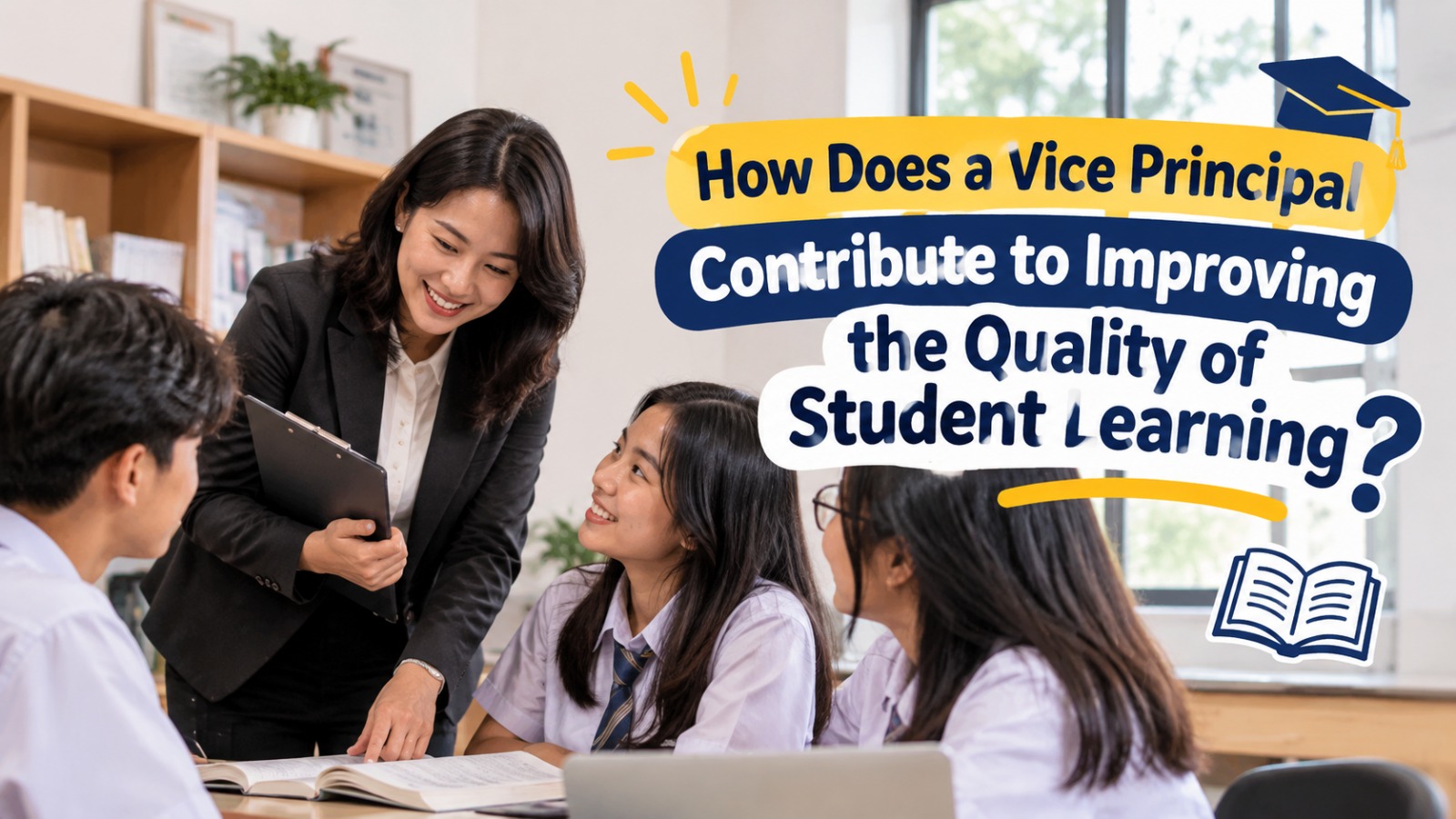
A vice principal plays an important role in improving the quality of student learning in a school. This position is not only responsible for helping the principal manage school activities but also for ensuring that the educational process runs effectively. A vice principal works closely with teachers, students, and other school staff to create a supportive learning environment. Through proper supervision, effective communication, and educational planning, a vice principal can help students achieve better academic results and develop important personal skills. Therefore, the contribution of a vice principal is essential to building a school that provides high-quality education.
SUPPORTING EFFECTIVE TEACHING AND LEARNING ACTIVITIES
One of the main contributions of a vice principal is supporting teachers in delivering effective lessons. Teachers need a suitable learning environment, clear academic guidelines, and sufficient resources to help students understand different subjects. A vice principal can assist by monitoring classroom activities, reviewing teaching methods, and identifying problems that may affect the learning process. This supervision helps ensure that teaching activities follow the established curriculum and educational standards.
In addition, a vice principal can encourage teachers to use creative and interactive teaching strategies. For example, teachers can combine classroom discussions, group projects, practical exercises, and digital learning tools to make lessons more interesting. These methods allow students to participate actively instead of only listening to explanations. By supporting teachers and evaluating classroom activities, a vice principal helps create a more effective learning experience.
IMPROVING STUDENT ACADEMIC PERFORMANCE
A vice principal contributes to improving student academic performance by helping schools identify students' learning needs and monitor their progress. Every student has different abilities, learning speeds, and challenges. Some students may understand lessons quickly, while others need additional explanations or learning assistance. A vice principal can work with teachers to identify these differences and develop appropriate academic support programs.
Furthermore, a vice principal can encourage schools to organize additional learning activities, such as tutoring sessions, academic competitions, study groups, and remedial programs. These activities provide opportunities for students to strengthen their understanding of difficult subjects. Regular evaluations can also help teachers determine whether learning programs are achieving their objectives. Through continuous monitoring and appropriate support, students can improve their academic abilities and become more confident in their studies.
CREATING A POSITIVE AND SUPPORTIVE LEARNING ENVIRONMENT
A positive school environment is an important factor in determining the quality of student learning. Students generally learn more effectively when they feel safe, comfortable, respected, and supported. A vice principal helps establish school policies that promote discipline, responsibility, mutual respect, and positive behavior. These values encourage students to develop good habits and understand the importance of following school rules.
A vice principal also needs to pay attention to students' emotional and social well-being. Problems such as bullying, discrimination, conflicts between classmates, and excessive academic pressure can interfere with learning activities. By cooperating with teachers, counselors, and parents, the vice principal can help identify and address these problems. Creating an inclusive environment also ensures that students with different backgrounds and abilities have equal opportunities to participate in educational activities. As a result, students can focus better on their studies and develop positive relationships with others.
STRENGTHENING TEACHER COMPETENCE AND PROFESSIONAL DEVELOPMENT
The quality of student learning is closely connected to the competence of teachers. Therefore, a vice principal should support teachers in continuously improving their professional knowledge, teaching skills, and classroom management abilities. One way to achieve this is by encouraging teachers to participate in training programs, educational workshops, seminars, and professional development activities. These opportunities help teachers understand new teaching methods and respond to changes in educational requirements.
Moreover, a vice principal can facilitate collaboration between teachers through regular meetings and professional discussions. Teachers can share their experiences, discuss classroom challenges, and exchange ideas about effective learning strategies. Constructive feedback from classroom supervision can also help teachers recognize their strengths and areas that need improvement. When teachers receive consistent support, they become better prepared to deliver meaningful lessons and improve students' learning outcomes.
UTILIZING EDUCATIONAL TECHNOLOGY AND LEARNING RESOURCES
Educational technology has become an important part of modern learning. A vice principal can support the use of digital learning tools to make educational activities more flexible, engaging, and accessible. For example, schools can use learning management systems, digital presentations, educational videos, and online assessment platforms. These technologies allow teachers to provide different learning materials and help students access information more easily.
However, technology should be used according to students' needs and school conditions. A vice principal needs to ensure that teachers understand how to use available technology effectively and responsibly. Schools should also provide adequate facilities, such as computers, internet access, projectors, libraries, and appropriate learning materials. In addition, students need guidance about digital literacy, online safety, and responsible technology use. With proper planning and supervision, technology can support better communication, increase student participation, and improve the overall learning process.
EVALUATING LEARNING OUTCOMES AND BUILDING SCHOOL COLLABORATION
Another important responsibility of a vice principal is evaluating the effectiveness of educational programs. Evaluation helps schools understand whether teaching activities and academic programs have achieved their intended goals. A vice principal can review student assessment results, attendance records, classroom observations, and feedback from teachers. This information provides a clearer picture of students' academic progress and the challenges they experience during learning.
In addition, improving education requires strong cooperation between the school, parents, and the surrounding community. A vice principal can encourage regular communication with parents to discuss students' progress, behavior, and learning difficulties. Parents can provide valuable information about their children's learning habits and needs outside school. Cooperation with educational institutions and community organizations can also create additional learning opportunities. Through collaboration, continuous evaluation, and shared responsibility, schools can develop more effective educational programs and improve the quality of student learning.
CONCLUSION
A vice principal contributes significantly to improving the quality of student learning through various educational and managerial responsibilities. These contributions include supporting effective teaching activities, improving academic performance, creating a positive school environment, and strengthening teacher competence. The use of educational technology and regular evaluation also helps schools provide better learning experiences.
However, improving educational quality cannot be achieved by the vice principal alone. It requires cooperation between principals, teachers, students, parents, and the wider school community. With effective leadership, continuous improvement, and strong collaboration, a vice principal can help create a school environment that supports academic achievement, personal development, and students' future success.
Recent Posts

Bagaimana Sistem SKS pada Program Kuliah... 22.11.2026/21 View

How Does Technology Make Daily Evaluation... 21.11.2026/64 View

Apa Strategi Menghadapi Kesenjangan antara Kompetensi... 21.11.2026/65 View

Mengapa Inventaris Aset Penting bagi Kelancaran... 21.11.2026/62 View

When Should Musicians Join a Record... 21.11.2026/61 View
