

How Does a Vice Principal Handle Student Discipline Problems at School?
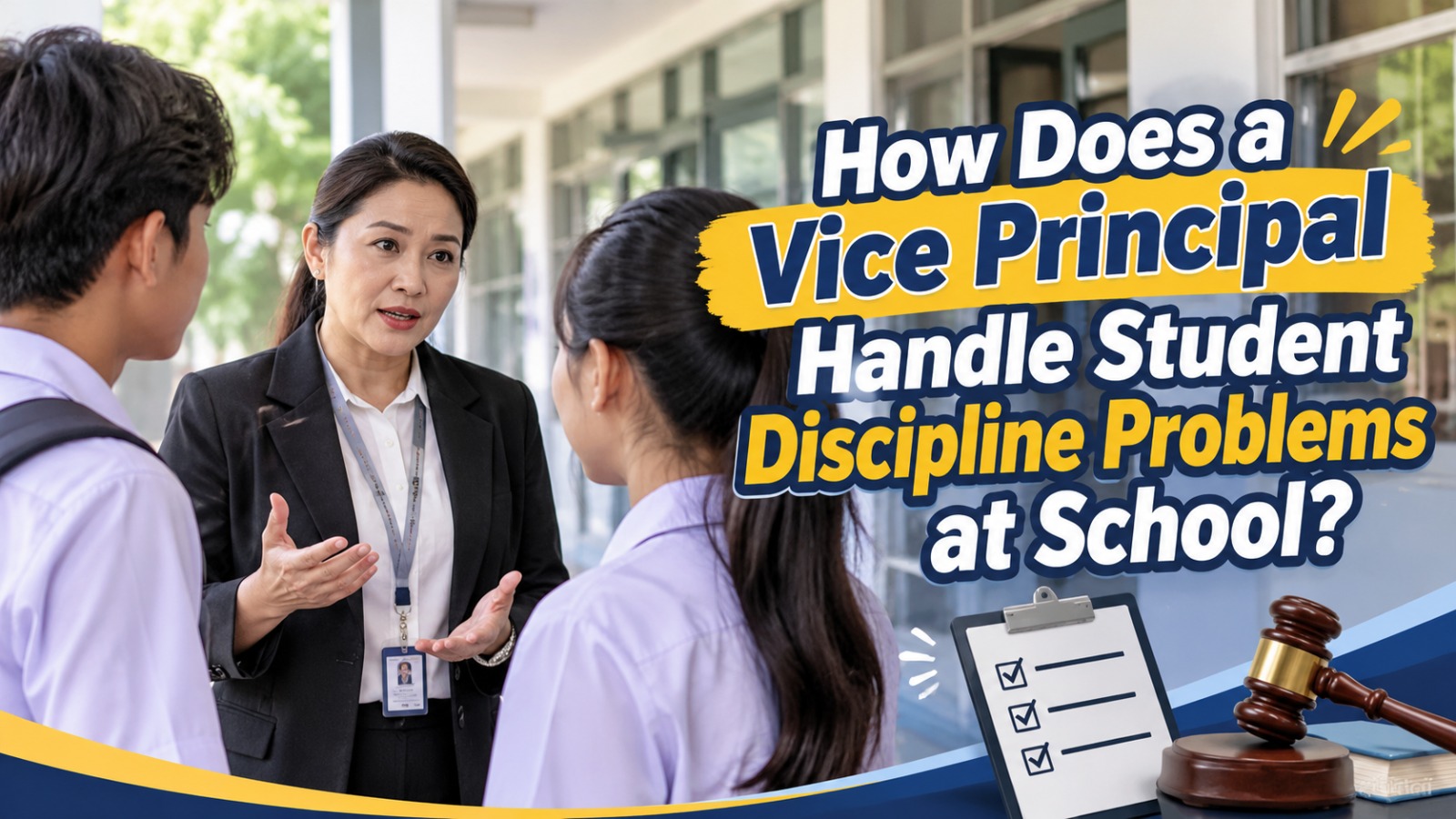
Student discipline is an important part of creating a safe, organized, and effective learning environment. However, schools may face various discipline problems, such as arriving late, skipping classes, violating school rules, bullying, and showing disrespect toward teachers or classmates. These behaviors can affect students' academic performance and disrupt classroom activities. In this situation, a vice principal has an important responsibility to identify problems, guide students, and ensure that school regulations are implemented fairly. By using effective communication, appropriate disciplinary measures, and cooperation with teachers and parents, a vice principal can help students develop better behavior and understand the importance of responsibility.
IDENTIFYING THE CAUSES OF STUDENT DISCIPLINE PROBLEMS
The first step in handling student discipline problems is identifying the causes of inappropriate behavior. A vice principal should not immediately assume that every violation happens because students intentionally want to break school rules. Some students may experience personal difficulties, family problems, academic pressure, or negative social influences. Other students may struggle to control their emotions or adapt to the school environment.
To understand the situation, a vice principal can communicate directly with students, teachers, and school counselors. Classroom observations, attendance records, and reports from teachers can also provide useful information. By understanding the reasons behind student behavior, school leaders can determine the most appropriate solutions. This approach prevents misunderstandings and helps ensure that disciplinary decisions are based on accurate information rather than assumptions.
IMPLEMENTING SCHOOL RULES FAIRLY AND CONSISTENTLY
A vice principal must ensure that all students understand and follow school regulations and disciplinary standards. Clear rules help students recognize acceptable behavior and understand the consequences of violating school policies. These regulations may cover attendance, punctuality, school uniforms, classroom behavior, cleanliness, and respect for others. The vice principal should work with teachers to communicate these expectations regularly.
Consistency is equally important because students need to receive fair treatment regardless of their backgrounds or personal relationships with school staff. For example, students who repeatedly arrive late should receive appropriate guidance and consequences according to school regulations. However, disciplinary measures should consider the seriousness of the violation and the circumstances surrounding it. Fair implementation builds trust and encourages students to respect school rules. As a result, discipline becomes an important part of school culture rather than simply a system of punishment.
PROVIDING GUIDANCE AND COUNSELING FOR STUDENTS
Guidance and counseling are important strategies for correcting student behavior. A vice principal should help students understand why certain actions are inappropriate and how their behavior affects other people. Instead of focusing only on punishment, the school should provide opportunities for students to reflect on their mistakes and improve themselves. Personal guidance can help students recognize their responsibilities and develop better decision-making skills.
For students who experience repeated discipline problems, the vice principal can coordinate with guidance and counseling teachers to provide more focused support. Counseling sessions may help students manage emotions, improve communication, resolve conflicts, and develop self-control. Students should also be encouraged to express their feelings and explain the difficulties they face. This approach creates an opportunity to address behavioral problems at their source. With appropriate guidance, students can gradually develop more positive attitudes and responsible habits.
COLLABORATING WITH TEACHERS AND PARENTS
Handling student discipline problems requires cooperation between school leaders, teachers, and parents. Teachers usually interact with students more frequently in classrooms, so they can recognize changes in behavior and report potential problems early. A vice principal should maintain effective communication with teachers to discuss discipline issues and develop appropriate responses. Regular meetings can help school staff share information and ensure that disciplinary policies are applied consistently.
Parents also have an important role because students' behavior is influenced by their family environment. When serious or repeated violations occur, the vice principal can invite parents to discuss the situation and identify possible solutions. Parents can provide information about their children's behavior at home, while the school can explain the challenges observed during learning activities. Through cooperation, both parties can establish consistent expectations and support students' behavioral development. This shared responsibility makes discipline management more effective and sustainable.
APPLYING APPROPRIATE CONSEQUENCES AND RESTORATIVE APPROACHES
Disciplinary consequences are sometimes necessary to help students understand the seriousness of their actions. A vice principal should ensure that consequences are proportional, educational, and consistent with school policies. Depending on the violation, measures may include verbal warnings, written warnings, counseling, parent meetings, or other appropriate actions. Serious incidents should be handled according to applicable school procedures and child protection requirements.
In addition to traditional disciplinary measures, schools can apply restorative approaches that encourage students to understand the harm caused by their behavior. For example, students who damage school property may be asked to take appropriate responsibility for repairing or replacing it. Students involved in conflicts may participate in supervised discussions to understand each other's perspectives and find constructive solutions. These approaches emphasize accountability, reflection, and repairing relationships. The goal is not simply to punish students but to help them learn from mistakes and avoid repeating harmful behavior.
EVALUATING STUDENT BEHAVIOR AND PREVENTING REPEATED VIOLATIONS
After implementing disciplinary measures, a vice principal needs to monitor whether students demonstrate positive behavioral changes. Regular behavioral evaluation helps schools determine whether the solutions provided are effective. Teachers can report improvements in classroom participation, attendance, punctuality, and interactions with classmates. The vice principal can also communicate with students to understand their progress and identify any remaining difficulties.
Prevention is equally important because schools should not wait until discipline problems become serious before taking action. A vice principal can organize character education programs, anti-bullying campaigns, student leadership activities, and discussions about responsibility and respect. Schools can also establish clear reporting systems so students feel comfortable seeking help when they experience or witness inappropriate behavior. Recognizing students who demonstrate positive attitudes can further encourage good habits. Through continuous monitoring and preventive programs, schools can reduce repeated violations and maintain a healthier learning environment.
CONCLUSION
A vice principal handles student discipline problems through several important steps, including identifying behavioral causes, implementing school regulations, providing guidance, and applying appropriate consequences. Cooperation with teachers and parents also helps schools understand students' needs and develop effective solutions. Furthermore, regular evaluation and preventive activities are necessary to reduce repeated violations and encourage positive behavior.
Effective discipline management should focus not only on maintaining order but also on developing responsibility, self-control, honesty, and respect. Students need to understand that mistakes are opportunities to learn and improve. With fair leadership, constructive guidance, and strong cooperation between the school and families, a vice principal can help create a disciplined environment where students feel safe, respected, and motivated to achieve their potential.
Recent Posts

Bagaimana Sistem SKS pada Program Kuliah... 22.11.2026/21 View

How Does Technology Make Daily Evaluation... 21.11.2026/63 View

Apa Strategi Menghadapi Kesenjangan antara Kompetensi... 21.11.2026/65 View

Mengapa Inventaris Aset Penting bagi Kelancaran... 21.11.2026/62 View

When Should Musicians Join a Record... 21.11.2026/59 View
