

How Does a Vice Principal Manage School Facilities to Support Effective Learning?
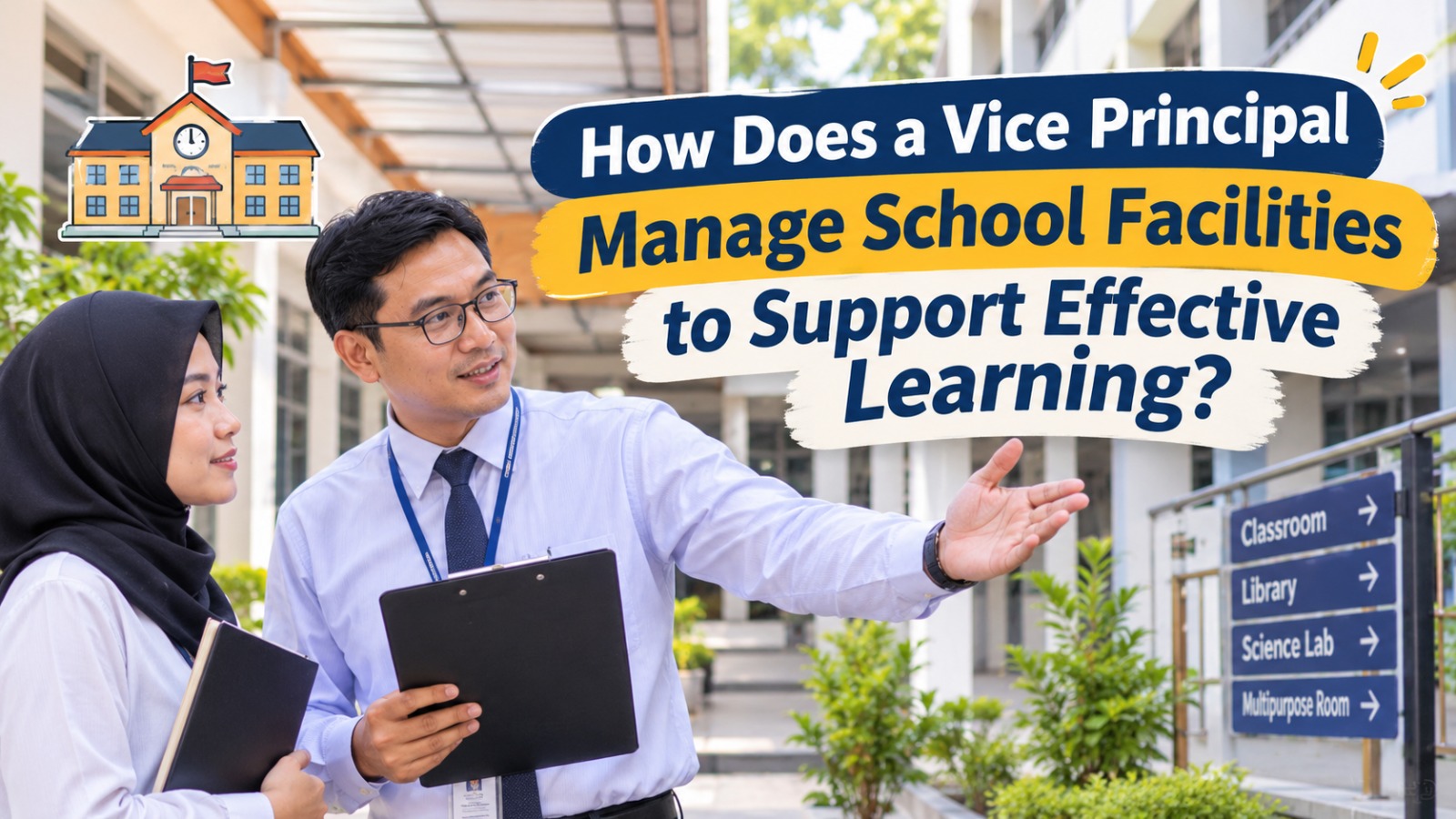
School facilities play an important role in supporting effective teaching and learning activities. Classrooms, libraries, laboratories, computers, sports equipment, and other educational resources help students understand lessons and develop their abilities. However, these facilities need proper management to ensure that they remain safe, functional, and accessible. A vice principal has an important responsibility in coordinating the use, maintenance, and development of school facilities. Through careful planning, regular supervision, and cooperation with teachers and school staff, a vice principal can create a comfortable learning environment that supports student achievement and educational quality.
PLANNING AND IDENTIFYING SCHOOL FACILITY NEEDS
One of the main responsibilities of a vice principal is identifying and planning school facility needs. Every school has different educational requirements depending on the number of students, available programs, and learning activities. A vice principal needs to evaluate existing facilities and determine which resources require improvement, replacement, or additional investment. This process helps schools understand their priorities and avoid spending resources on unnecessary purchases.
Furthermore, facility planning should consider both current and future educational needs. For example, schools may need additional computers to support digital learning or better laboratory equipment for practical lessons. A vice principal can coordinate with teachers and administrative staff to collect information about the resources required for each subject. The results can be used to prepare facility development plans and budget proposals. With proper planning, schools can ensure that available resources support educational objectives effectively.
MAINTAINING SCHOOL FACILITIES AND EQUIPMENT
Regular maintenance is essential to keep school facilities in good condition. A vice principal should help establish routine maintenance programs for classrooms, laboratories, libraries, restrooms, sports areas, and other school facilities. Maintenance activities may include repairing damaged furniture, checking electrical installations, cleaning learning spaces, and ensuring that equipment operates properly. These efforts prevent minor problems from becoming more serious and expensive to repair.
In addition, teachers and school staff should be encouraged to report damaged facilities as soon as possible. A vice principal can coordinate with maintenance personnel to determine which repairs need immediate attention. Safety should always be a priority, especially for facilities used by many students, such as staircases, electrical equipment, laboratories, and playgrounds. Regular inspections can help identify potential hazards before accidents occur. Through consistent maintenance, schools can provide a cleaner, safer, and more comfortable learning environment.
MANAGING THE USE OF LEARNING FACILITIES
Effective facility management requires proper arrangements for using available resources. A vice principal needs to ensure that classrooms, laboratories, libraries, and other learning spaces are used according to school schedules and educational requirements. Organized facility management prevents overlapping activities and allows teachers to access the resources they need. For example, laboratory schedules should be arranged so different classes can conduct practical activities without conflicts.
Furthermore, the vice principal should establish clear procedures for borrowing and using school equipment. Teachers and students need to understand their responsibilities when using computers, projectors, laboratory tools, sports equipment, and other resources. A simple inventory and recording system can help schools monitor equipment usage and identify missing or damaged items. Proper coordination also ensures that facilities are distributed fairly among different classes and educational programs. As a result, school resources can be used more efficiently.
ENSURING A SAFE AND COMFORTABLE LEARNING ENVIRONMENT
A good learning environment must provide both comfort and safety for students and teachers. A vice principal should monitor the condition of classrooms, ventilation, lighting, sanitation, drinking water, and other essential facilities. School safety and cleanliness directly influence students' comfort, concentration, and participation in learning activities. Classrooms that are clean, well-lit, and properly ventilated can create better conditions for teaching and studying.
Safety management also involves identifying potential risks within the school environment. A vice principal can coordinate safety inspections, emergency procedures, fire prevention measures, and evacuation training. Laboratories should have appropriate safety equipment, while sports facilities should be checked to reduce the risk of injuries. Schools should also ensure that facilities are accessible to students with disabilities whenever possible. By maintaining safety standards and providing suitable infrastructure, a vice principal helps protect the school community and support effective learning.
COORDINATING WITH TEACHERS AND SCHOOL STAFF
Managing school facilities cannot be done effectively without cooperation between different school departments. Teachers understand the learning resources required for their subjects, while administrative and maintenance staff understand the operational needs of school facilities. A vice principal should encourage communication and collaboration among these groups to ensure that facility management meets actual educational requirements. Regular meetings can help identify problems, discuss maintenance priorities, and plan improvements.
In addition, school staff should understand their responsibilities in maintaining available resources. Teachers can remind students to use classroom equipment properly, while administrative personnel can maintain inventory records and report facility problems. Students can also participate in cleanliness campaigns and activities that promote responsibility for shared school property. This cooperation creates a culture of care and encourages everyone to contribute to maintaining school facilities. Through shared responsibility, schools can manage resources more effectively and reduce unnecessary damage.
EVALUATING FACILITY CONDITIONS AND IMPROVING EDUCATIONAL RESOURCES
Regular evaluation helps a vice principal determine whether school facilities are meeting educational needs. The evaluation can include checking equipment conditions, reviewing maintenance records, collecting teacher feedback, and observing how students use learning resources. Facility evaluation helps identify resources that are outdated, damaged, insufficient, or no longer suitable for current educational activities. These findings provide important information for future school development.
Based on evaluation results, a vice principal can recommend improvements and prepare proposals for additional resources. For example, schools may need to upgrade computer facilities, improve internet access, expand library collections, or replace damaged classroom furniture. The vice principal should also consider the availability of funding and prioritize improvements that provide the greatest educational benefits. Facility development should be evaluated periodically to ensure that investments are useful and sustainable. Through continuous improvement, schools can maintain facilities that support modern teaching methods and better student learning outcomes.
CONCLUSION
A vice principal manages school facilities through careful planning, regular maintenance, organized resource usage, and continuous evaluation. These responsibilities ensure that classrooms, laboratories, libraries, and other educational resources remain functional, safe, and accessible. Cooperation with teachers and school staff is also essential for identifying facility needs and maintaining shared resources.
Effective facility management is not simply about maintaining buildings and equipment. It is about creating a safe, comfortable, and supportive learning environment where students and teachers can perform their responsibilities effectively. With proper planning, responsible resource management, and continuous improvement, a vice principal can help schools improve educational quality and support students' academic development.
Recent Posts

Bagaimana Sistem SKS pada Program Kuliah... 22.11.2026/12 View

How Does Technology Make Daily Evaluation... 21.11.2026/63 View

Apa Strategi Menghadapi Kesenjangan antara Kompetensi... 21.11.2026/64 View

Mengapa Inventaris Aset Penting bagi Kelancaran... 21.11.2026/61 View

When Should Musicians Join a Record... 21.11.2026/59 View
