

How Does a Vice Principal of Curriculum Improve Student Learning Quality?
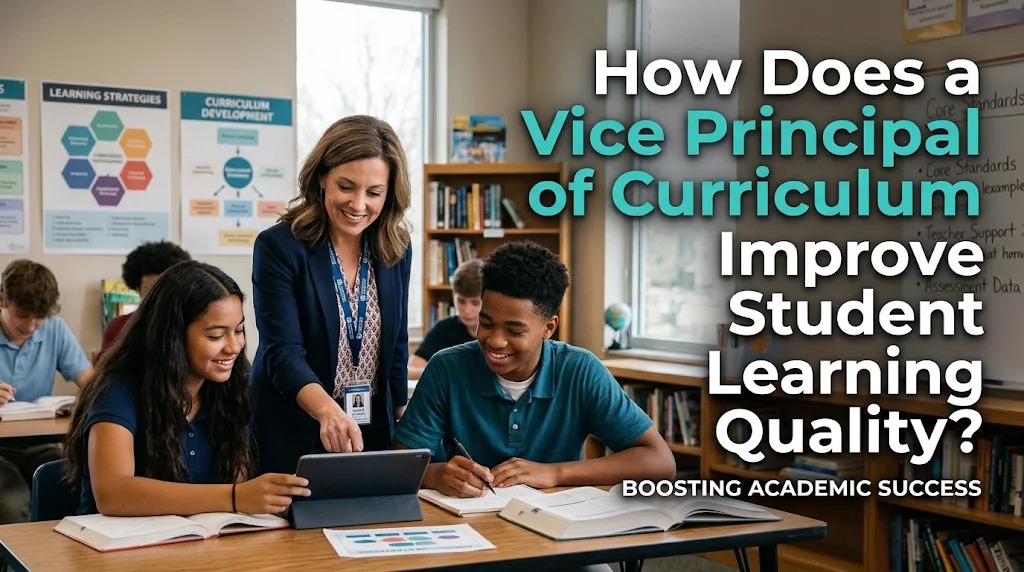
Student learning quality is an important aspect of successful education. Schools need effective academic management to ensure that students receive appropriate instruction, understand learning materials, and develop the competencies expected from their educational level. Achieving these goals requires cooperation between school leaders, teachers, students, and other educational personnel.
One important figure involved in this process is the Vice Principal of Curriculum. This position assists the principal in coordinating academic programs, supporting teachers, monitoring curriculum implementation, and evaluating learning activities. Through these responsibilities, the Vice Principal of Curriculum helps create an organized learning environment that supports students' academic development.
ENSURING EFFECTIVE CURRICULUM IMPLEMENTATION
An effective curriculum provides clear learning objectives and guidelines for classroom instruction. However, its quality depends on how well it is implemented in daily teaching activities. The Vice Principal of Curriculum helps ensure that educational programs follow applicable curriculum requirements and match the school's academic objectives.
This responsibility includes coordinating the preparation of instructional documents, communicating curriculum policies, and monitoring the implementation of learning programs. The vice principal also works with teachers to identify difficulties that may arise when applying certain curriculum components. If adjustments are necessary, discussions can be organized to find suitable approaches within the applicable educational guidelines.
Consistent curriculum implementation helps teachers maintain clear learning directions and ensures that students receive structured educational experiences. It also allows schools to identify whether instructional activities are aligned with the expected competencies. Effective curriculum coordination provides a foundation for improving the quality and consistency of student learning.
SUPPORTING TEACHERS IN DEVELOPING BETTER TEACHING METHODS
Teachers have a direct influence on students' classroom experiences. Their ability to explain concepts, organize activities, and respond to different learning needs can affect how well students understand educational materials. Therefore, supporting teacher development is an important way the Vice Principal of Curriculum can contribute to learning quality.
The vice principal can coordinate professional development programs, including workshops, seminars, training sessions, and subject-based discussions. These activities allow teachers to explore different instructional strategies and improve their ability to use educational resources. Teachers can also exchange experiences and discuss practical solutions to classroom challenges.
In addition, the vice principal may coordinate the review of lesson plans and teaching materials. This process helps identify whether instructional activities are appropriate for the subject objectives and student learning conditions. Continuous teacher development can strengthen instructional practices and create more engaging classroom experiences.
ORGANIZING ACADEMIC ACTIVITIES AND LEARNING RESOURCES
Organized academic activities help students use their learning time effectively. The Vice Principal of Curriculum contributes by preparing class schedules, coordinating teacher assignments, and arranging academic programs according to the school calendar. Proper organization reduces scheduling conflicts and helps ensure that students receive the required instructional time.
The availability of learning resources is also important. Students may need textbooks, laboratory equipment, computers, digital learning platforms, or other materials to understand particular subjects. The vice principal can coordinate with teachers and relevant school departments to identify resource requirements and communicate them to school management.
In addition, the school can organize supplementary learning activities when students need additional support. These may include remedial sessions, enrichment programs, subject discussions, or academic projects. Well-organized learning activities and appropriate resources help create educational experiences that respond to different student needs.
MONITORING STUDENT PROGRESS THROUGH ACADEMIC EVALUATION
Monitoring student progress helps schools understand whether learning objectives are being achieved. The Vice Principal of Curriculum can coordinate assessment schedules and review academic information provided by teachers. This information may include examination results, assignment performance, project assessments, and other indicators of student development.
The results can help identify subjects or topics that students find difficult. Teachers may use this information to provide additional explanations, adjust teaching strategies, or organize remedial activities. The vice principal helps coordinate these programs so that academic support can be provided according to students' needs.
Evaluation also allows the school to review the effectiveness of its educational programs. If student performance shows that certain learning objectives have not been achieved, teachers and school leaders can discuss possible improvements. Data-based academic evaluation helps schools make more informed decisions and develop appropriate learning support programs.
BUILDING COOPERATION BETWEEN TEACHERS AND SCHOOL MANAGEMENT
Improving student learning quality requires cooperation among all parties involved in education. The Vice Principal of Curriculum helps connect the principal, teachers, and other school personnel by coordinating academic information and communicating educational priorities. This role helps ensure that classroom needs are considered when school programs are planned.
Teachers can provide information about student participation, learning difficulties, and classroom conditions. The vice principal can use these insights to coordinate discussions with school leadership and identify possible improvements. This communication helps academic decisions reflect the actual conditions experienced by teachers and students.
Cooperation can also involve parents and other relevant educational stakeholders when additional support is needed. For example, communication between teachers and parents may help address learning difficulties or encourage students to develop better study habits. Strong collaboration within the school community creates a supportive environment that can contribute to students' academic progress.
CONCLUSION
A Vice Principal of Curriculum can improve student learning quality by ensuring effective curriculum implementation, supporting teacher development, organizing academic activities, monitoring student progress, and strengthening cooperation within the school. These responsibilities help create a more structured learning environment and ensure that educational programs respond to students' needs.
However, student learning outcomes are influenced by many factors, including teaching quality, student motivation, family support, learning resources, and the surrounding environment. Therefore, improving educational quality requires shared responsibility rather than relying on one school administrator alone. Through consistent coordination and evaluation, the Vice Principal of Curriculum can make an important contribution to better teaching practices and student academic development.
Recent Posts

Bagaimana Sistem SKS pada Program Kuliah... 22.11.2026/11 View

How Does Technology Make Daily Evaluation... 21.11.2026/63 View

Apa Strategi Menghadapi Kesenjangan antara Kompetensi... 21.11.2026/64 View

Mengapa Inventaris Aset Penting bagi Kelancaran... 21.11.2026/61 View

When Should Musicians Join a Record... 21.11.2026/59 View
