

How Does a Vice Principal of Curriculum Manage Teaching and Learning Activities?
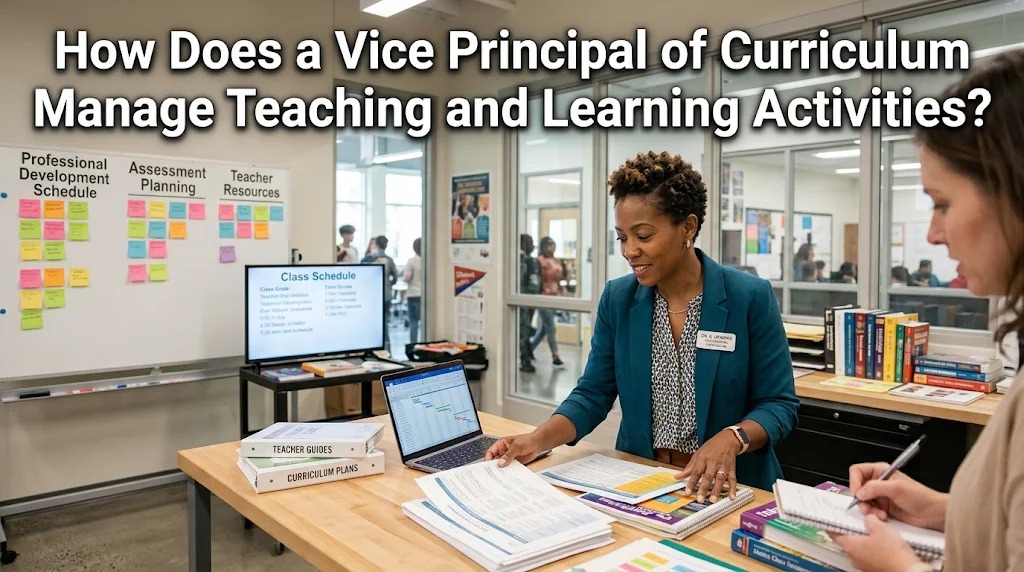
Teaching and learning activities require careful planning and coordination to ensure that students receive an effective educational experience. Schools must organize lesson schedules, prepare instructional resources, assign teachers, and monitor classroom activities throughout the academic year. These responsibilities need to be managed systematically so that educational objectives can be achieved.
One of the school administrators involved in this process is the Vice Principal of Curriculum. This position assists the principal in coordinating academic programs and ensuring that teaching activities follow the established curriculum. Through effective planning, communication, and evaluation, the vice principal helps teachers carry out their responsibilities and supports a more organized learning environment.
PLANNING AND ORGANIZING ACADEMIC ACTIVITIES
The first step in managing teaching and learning activities is preparing an academic plan. The Vice Principal of Curriculum works with the principal and teachers to organize educational programs based on the school calendar, curriculum requirements, and student learning needs. This planning provides a clear direction for academic activities throughout the school year.
The academic plan may include instructional periods, examination schedules, school learning programs, and other activities related to education. The vice principal also coordinates the allocation of teaching hours and ensures that each subject receives appropriate instructional time. Careful planning helps prevent overlapping activities and unnecessary interruptions.
In addition, the vice principal communicates academic plans to teachers so they understand the schedule and responsibilities assigned to them. If changes become necessary, relevant information must be shared clearly with everyone involved. Systematic academic planning helps schools maintain consistency and ensures that teaching activities follow established priorities.
PREPARING CLASS SCHEDULES AND ASSIGNING TEACHERS
Class scheduling is an important responsibility because it determines when students receive instruction and when teachers conduct their lessons. The Vice Principal of Curriculum must consider the number of classes, subjects, available classrooms, teaching hours, and teacher availability. These factors need to be balanced to create a practical and effective schedule.
Teacher assignments must also be arranged according to qualifications, subject expertise, and applicable workload requirements. Assigning teachers to appropriate subjects helps ensure that students receive instruction from educators with relevant knowledge and experience. The vice principal may coordinate with the principal and teachers when reviewing teaching assignments.
Scheduling problems can occur when teachers have overlapping responsibilities or when school activities require adjustments. In such situations, the vice principal needs to communicate with the relevant staff and prepare alternative arrangements. Accurate class scheduling and appropriate teacher assignments help maintain the continuity of classroom instruction.
COORDINATING LESSON PLANS AND INSTRUCTIONAL RESOURCES
Teachers need appropriate lesson plans and instructional resources to deliver learning materials effectively. The Vice Principal of Curriculum helps coordinate the preparation of these documents so that teaching activities remain aligned with curriculum objectives. Depending on the educational system, the documents may include lesson plans, teaching modules, learning materials, and assessment instruments.
The vice principal can organize meetings or discussions to help teachers understand curriculum requirements and prepare suitable instructional materials. These activities also provide opportunities for teachers to share ideas and discuss challenges they encounter in the classroom. Collaboration can help educators develop teaching approaches that are more relevant to student needs.
Instructional resources also include textbooks, digital materials, learning media, and practical equipment. The vice principal may coordinate with other school departments to identify resource requirements and communicate them to school management. Well-prepared instructional documents and learning resources help teachers conduct lessons more effectively.
MONITORING CLASSROOM ACTIVITIES AND SUPPORTING TEACHERS
Monitoring is necessary to determine whether teaching and learning activities are being implemented according to the academic plan. The Vice Principal of Curriculum may coordinate classroom supervision with the principal or other authorized school personnel. This process can involve reviewing instructional documents, discussing teaching progress, and observing classroom activities according to school policies.
The purpose of monitoring is not simply to check administrative compliance. It also helps identify challenges that teachers may experience when delivering lessons. For example, teachers may need support in managing classroom participation, using learning technology, or adapting instructional strategies to different student abilities.
After identifying these challenges, the vice principal can coordinate discussions, professional development activities, or other forms of support. Teachers may also share effective practices with colleagues through professional learning groups. Constructive academic supervision encourages teachers to improve their instructional skills and maintain the quality of classroom learning.
EVALUATING LEARNING OUTCOMES AND IMPROVING ACADEMIC PROGRAMS
Evaluating learning outcomes helps schools understand whether teaching activities are achieving their intended objectives. The Vice Principal of Curriculum coordinates assessment schedules and works with teachers to review academic information. This may include examination results, assignment performance, project assessments, and other indicators of student progress.
The information gathered can help teachers identify topics that students have not fully understood. Based on the findings, teachers may provide additional explanations, remedial learning activities, or alternative instructional methods. The vice principal helps coordinate these activities so they can be carried out without disrupting other academic programs.
Evaluation also provides information about the effectiveness of the school's overall teaching programs. If certain activities do not meet expectations, the school can discuss possible changes with teachers and relevant administrators. Regular learning evaluation and program improvement help schools respond to student needs and strengthen the quality of education.
CONCLUSION
A Vice Principal of Curriculum manages teaching and learning activities through academic planning, class scheduling, teacher assignments, instructional coordination, classroom monitoring, and learning evaluation. Each responsibility contributes to maintaining an organized educational system and ensuring that classroom activities follow the school's academic objectives. Effective coordination also helps teachers understand their responsibilities and obtain the support they need.
The success of teaching and learning management depends on cooperation between the principal, Vice Principal of Curriculum, teachers, and other school personnel. Regular communication and evaluation allow schools to identify problems and make appropriate improvements. By carrying out these responsibilities systematically, the Vice Principal of Curriculum helps create a more effective learning environment and supports students' academic development.
Recent Posts

Bagaimana Sistem SKS pada Program Kuliah... 22.11.2026/12 View

How Does Technology Make Daily Evaluation... 21.11.2026/63 View

Apa Strategi Menghadapi Kesenjangan antara Kompetensi... 21.11.2026/64 View

Mengapa Inventaris Aset Penting bagi Kelancaran... 21.11.2026/61 View

When Should Musicians Join a Record... 21.11.2026/59 View
