

How Does a Vice Principal Support Student Development Through Extracurricular Activities?
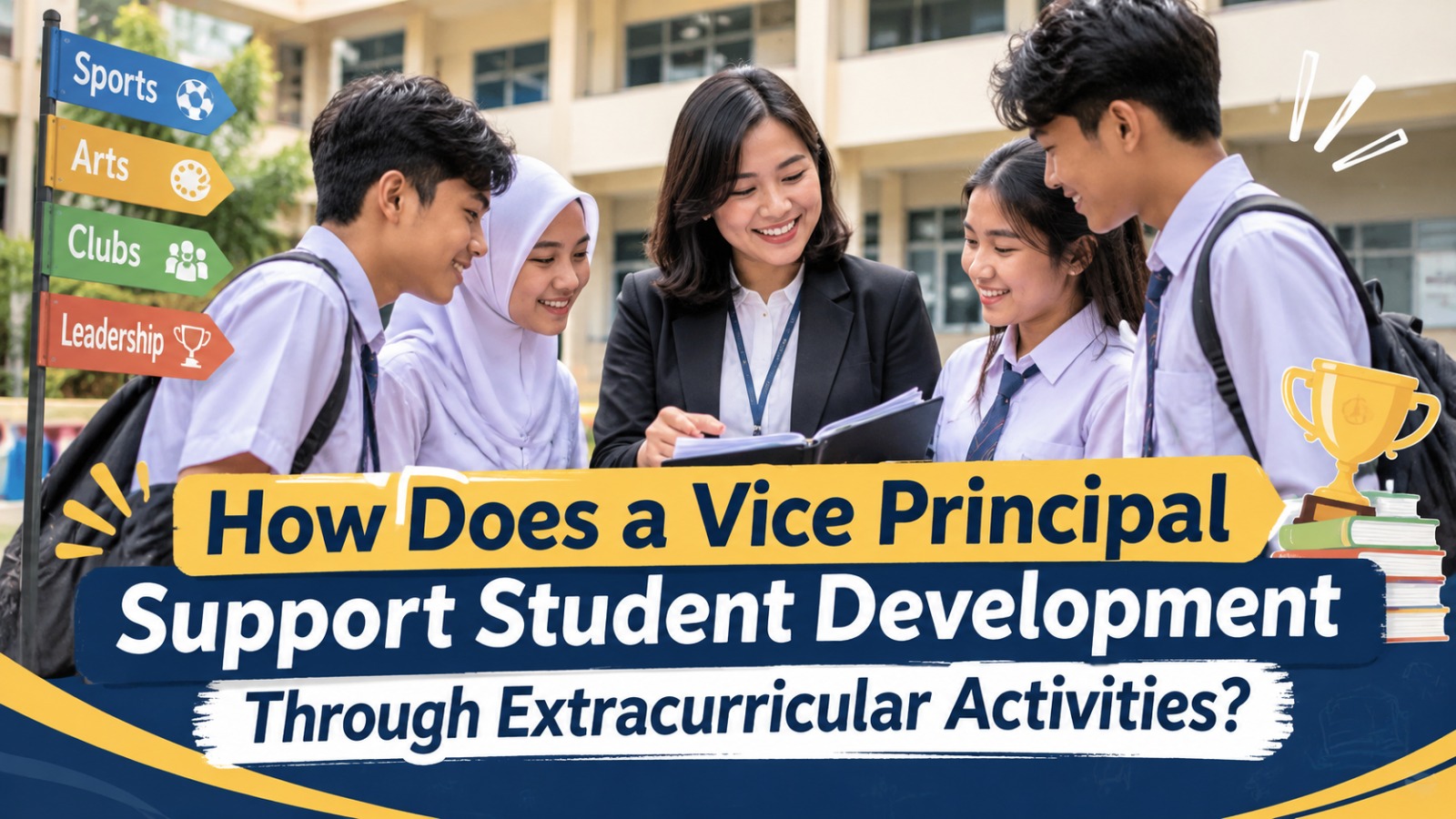
Extracurricular activities play an important role in supporting student development beyond academic learning. Through sports, arts, student organizations, competitions, and community programs, students can develop talents, explore interests, and improve their social abilities. A vice principal has an important responsibility in supporting these activities by coordinating programs, supervising their implementation, and ensuring that students have opportunities to participate. These activities also help students develop confidence, discipline, teamwork, and leadership skills. With proper planning and school support, a vice principal can make extracurricular activities an effective part of students' personal, social, and educational development.
PLANNING AND ORGANIZING EXTRACURRICULAR PROGRAMS
One of the main responsibilities of a vice principal is planning and organizing extracurricular programs that match students' interests, talents, and developmental needs. Schools can provide various activities, including sports clubs, music groups, science clubs, language organizations, arts programs, and student leadership organizations. A vice principal can coordinate with teachers and extracurricular instructors to determine which programs are suitable for the school. Proper planning ensures that activities have clear objectives and can be conducted regularly.
In addition, extracurricular programs should provide equal opportunities for students with different abilities and backgrounds. A vice principal needs to consider students' schedules, available facilities, instructor qualifications, and school budgets when organizing activities. Students can also be invited to share their interests through surveys or discussions. This helps schools develop programs that are relevant and attractive to participants. Through organized planning, extracurricular activities can become meaningful opportunities for students to discover and develop their potential.
DEVELOPING STUDENTS' TALENTS AND PERSONAL INTERESTS
Every student has different talents and interests that may not always be visible through classroom learning. Extracurricular activities provide opportunities for students to explore their abilities in areas such as sports, arts, technology, science, communication, and entrepreneurship. A vice principal can support this development by encouraging students to join activities that match their interests and abilities. Talent development allows students to improve their skills through regular practice, guidance, and practical experience.
Furthermore, the vice principal can help schools identify students who demonstrate particular abilities and provide opportunities for further development. For example, students who show talent in sports can receive additional coaching and participate in competitions. Students interested in music, writing, or science can join specialized clubs and showcase their work through school events. These experiences help students recognize their strengths and become more confident in developing their abilities. As a result, extracurricular activities can support personal growth and prepare students to pursue their interests in the future.
BUILDING LEADERSHIP AND TEAMWORK SKILLS
Extracurricular activities are effective opportunities for students to develop leadership and teamwork skills. Through student organizations, sports teams, and group projects, students learn how to communicate, cooperate, and work toward shared goals. They may also receive responsibilities such as organizing events, managing group activities, or coordinating team members. These experiences teach students how to make decisions and become accountable for their actions.
A vice principal can support leadership development by encouraging students to take active roles in extracurricular programs. For example, students can become club leaders, event coordinators, team captains, or committee members. Teachers and instructors can guide them in managing responsibilities and resolving disagreements. Students also learn to respect different opinions and appreciate the contributions of others. These skills are valuable not only during school activities but also in higher education, professional environments, and everyday life.
IMPROVING STUDENT CONFIDENCE AND SOCIAL ABILITIES
Participating in extracurricular activities can help students become more confident and comfortable interacting with others. Some students may feel nervous when speaking in public, expressing opinions, or working with unfamiliar people. Through regular participation, they receive opportunities to practice communication and develop stronger social relationships. A vice principal can encourage an inclusive environment where students feel accepted and supported regardless of their skill levels.
In addition, extracurricular activities teach students how to handle challenges and respond to different situations. For example, participating in competitions helps students learn how to manage pressure, accept results, and improve after experiencing failure. Group activities also encourage empathy, cooperation, and respect for individual differences. Self-confidence and social development are important because they help students become more independent and prepared to face new experiences. With appropriate guidance, extracurricular programs can contribute significantly to students' emotional and social growth.
PROVIDING FACILITIES AND SUPERVISING EXTRACURRICULAR ACTIVITIES
Successful extracurricular programs require adequate facilities, equipment, and supervision. A vice principal needs to coordinate with school management to ensure that students have access to suitable spaces and learning resources. For example, sports activities may require fields and athletic equipment, while music programs need instruments and appropriate practice rooms. Schools should also ensure that facilities are maintained properly and used according to established safety procedures.
Supervision is equally important to ensure that extracurricular activities operate effectively. A vice principal can monitor attendance, review program schedules, coordinate instructors, and evaluate student participation. Teachers and instructors should provide appropriate guidance and ensure that students follow safety rules during activities. The school must also consider students' physical and emotional well-being, especially during competitions or activities outside the school environment. With proper facilities and supervision, extracurricular programs can provide safe and valuable learning experiences.
EVALUATING STUDENT DEVELOPMENT AND EXTRACURRICULAR ACHIEVEMENTS
Evaluation helps schools understand whether extracurricular activities provide meaningful benefits to students. A vice principal can work with instructors to assess student participation, skill improvement, teamwork, discipline, and individual achievements. Student development evaluation should not focus only on competition results or awards because personal growth is equally important. Improvements in confidence, responsibility, communication, and problem-solving abilities should also be recognized.
Furthermore, evaluation results can help schools improve the quality of extracurricular programs. Students and instructors can provide feedback about activity schedules, available facilities, teaching methods, and program objectives. If certain activities receive limited participation, the school can identify the reasons and consider making appropriate adjustments. Students who demonstrate strong abilities can also receive opportunities to participate in external competitions, exhibitions, or leadership programs. Through regular evaluation, a vice principal can ensure that extracurricular activities continue to support students' overall development.
CONCLUSION
A vice principal supports student development through extracurricular activities by planning programs, identifying talents, developing leadership skills, and creating opportunities for social interaction. Providing adequate facilities, supervising activities, and evaluating student progress are also important responsibilities. These efforts help ensure that extracurricular programs are organized, safe, and beneficial for students.
Extracurricular activities should not be viewed as optional entertainment alone but as an important part of holistic student development. Through active participation, students can develop confidence, discipline, creativity, teamwork, and responsibility. With effective coordination between vice principals, teachers, instructors, parents, and students, schools can create meaningful programs that prepare young people for academic challenges and future opportunities.
Recent Posts

Bagaimana Sistem SKS pada Program Kuliah... 22.11.2026/21 View

How Does Technology Make Daily Evaluation... 21.11.2026/63 View

Apa Strategi Menghadapi Kesenjangan antara Kompetensi... 21.11.2026/65 View

Mengapa Inventaris Aset Penting bagi Kelancaran... 21.11.2026/62 View

When Should Musicians Join a Record... 21.11.2026/59 View
