

How Does An Academic Calendar Help Students Complete Their Assignments?
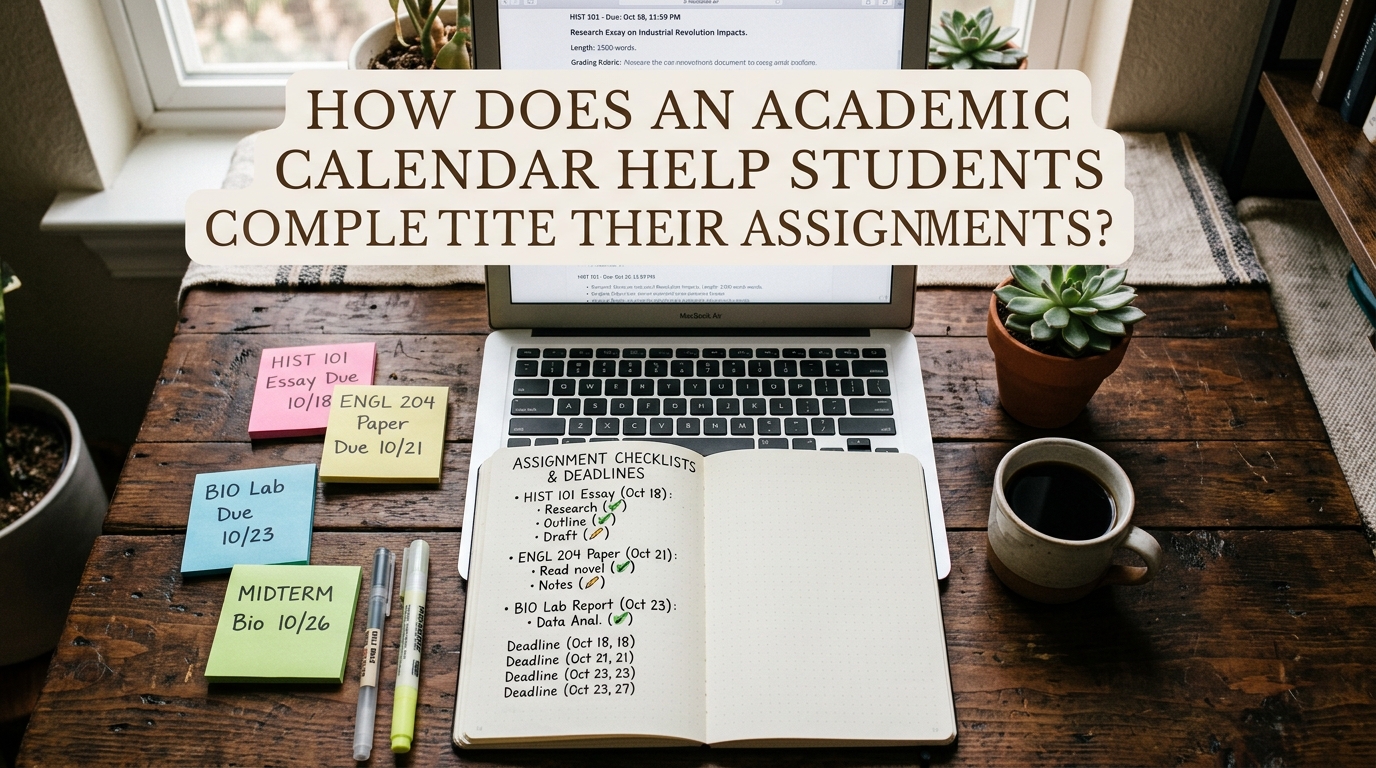
An academic calendar is an essential tool that helps students organize their learning activities and complete assignments on time. It provides important information about the academic year, including semester dates, examination periods, holidays, and other university activities. By understanding this schedule, students can identify busy periods and plan their assignments more effectively. A clear timeline also helps them balance coursework with personal responsibilities and extracurricular activities. Using an academic calendar consistently can reduce last-minute pressure, improve time management, and support better academic performance.
UNDERSTANDING THE ROLE OF AN ACADEMIC CALENDAR
An academic calendar outlines the important dates that students need to know throughout a semester or academic year. These dates may include the first day of classes, midterm examinations, final examinations, semester breaks, and registration deadlines. Although assignment deadlines are not always listed on the university-wide calendar, the calendar helps students understand the overall structure of their academic commitments. Students can combine it with course syllabuses and lecturers' instructions to create a complete overview of their responsibilities. Using these sources together makes it easier to recognize when assignments are due and how much preparation time is available.
Understanding the academic calendar also helps students anticipate periods when several responsibilities may occur at once. For example, major assignments may coincide with examinations or group projects in other courses. By identifying these demanding periods early, students can start working on assignments before their schedules become crowded. They can also discuss deadlines with lecturers when clarification is necessary. Early awareness of academic commitments allows students to prepare in a more organized and confident way.
HELPING STUDENTS PLAN ASSIGNMENT DEADLINES
One of the main benefits of an academic calendar is that it helps students plan around important academic dates. When students know the examination period, semester end date, and scheduled holidays, they can estimate how much time they have to complete their coursework. They should record each assignment deadline from the relevant course syllabus or learning platform because these details may not appear on the general calendar. Recording every deadline in one place reduces the risk of forgetting important tasks. It also helps students decide which assignments need attention first.
Students can use the calendar to work backward from each submission date. For example, if an essay is due in three weeks, they can allocate time for research, outlining, drafting, editing, and final submission. Dividing a large assignment into smaller tasks makes the workload easier to manage. Students can also set personal deadlines before the official submission date to leave time for unexpected problems. Planning assignments in stages helps prevent rushed work and encourages more consistent progress.
IMPROVING TIME MANAGEMENT
An academic calendar gives students a broader view of their schedules, making it easier to manage their time. They can identify available study periods between lectures, extracurricular activities, and other responsibilities. This information helps them create a realistic weekly study plan instead of relying on last-minute decisions. Students should assign enough time to difficult assignments while leaving room for rest and other essential activities. Effective time management helps students stay productive without becoming unnecessarily overwhelmed.
A useful approach is to review the calendar at the beginning of each week. Students can list upcoming deadlines, estimate the time required for each task, and choose daily priorities. If an examination and several assignments are approaching, they can begin the most demanding tasks earlier. Digital reminders can also help them remember important milestones, such as completing a draft or checking references. Regular schedule reviews make it easier to adjust plans before small delays become major problems.
REDUCING PROCRASTINATION AND LAST-MINUTE STRESS
Procrastination often occurs when students feel uncertain about where to begin or underestimate how long a task will take. An academic calendar helps them recognize upcoming academic commitments before deadlines become urgent. When students combine the calendar with a detailed assignment plan, they can set clear goals for each study session. For example, they might dedicate one session to gathering sources and another to writing the first draft. Starting early and working in smaller steps can make assignments feel more manageable.
Planning ahead also provides extra time to handle unexpected difficulties. Students may need to find additional research materials, clarify instructions, or revise parts of their work. Without sufficient preparation time, these challenges can create unnecessary pressure near the deadline. A well-organized schedule gives students more opportunities to solve problems carefully rather than rushing to submit incomplete work. Reducing deadline pressure can improve both the quality of assignments and the overall learning experience.
BALANCING MULTIPLE ASSIGNMENTS
Students often receive assignments from several courses during the same period. Without proper planning, they may spend too much time on one task and neglect another. An academic calendar helps them identify busy weeks so they can distribute their workload more evenly. Students can then compare assignment deadlines, examination dates, and other commitments to determine which tasks require immediate attention. Prioritizing assignments by deadline, difficulty, and workload can help students use their time more effectively.
For example, a research report that requires extensive reading may need to be started earlier than a short worksheet. Students can divide large projects into smaller milestones and schedule each milestone across several days. If two important deadlines are close together, they can begin both assignments in advance instead of completing one at the last minute. It is also helpful to communicate with group members early when assignments involve teamwork. A balanced workload supports steady progress and reduces the likelihood of missing deadlines.
USING DIGITAL TOOLS WITH AN ACADEMIC CALENDAR
Digital tools can make academic planning easier and more convenient. Students can enter assignment deadlines into a calendar application, task manager, or digital planner. Many tools allow users to set reminders, organize tasks by course, and view upcoming responsibilities in daily or weekly formats. Students can also synchronize their personal schedules with relevant academic dates when their tools support this feature. Digital reminders and organized task lists help students keep important deadlines visible.
However, digital tools are most effective when students keep their information accurate and up to date. They should check assignment instructions in their learning management system and confirm any deadline changes announced by lecturers. A university calendar may show the examination period but not the exact submission date for every assignment. Students should therefore use the academic calendar alongside course-specific schedules rather than relying on it alone. Combining official academic information with personal planning tools creates a more reliable system for managing assignments.
BUILDING BETTER STUDY HABITS
Consistently using an academic calendar can help students develop stronger study habits. Reviewing upcoming dates encourages them to prepare early, set achievable goals, and work on assignments regularly. These habits are particularly useful for long-term projects that require research, analysis, and several rounds of revision. Students can also reflect on how accurately they estimated the time needed for previous assignments. Learning from past experiences helps them create more realistic plans for future coursework.
Students should remember that a calendar is a planning tool, not a guarantee that every task will proceed exactly as expected. Unexpected responsibilities or changes in assignment instructions may require adjustments. Instead of abandoning their plans, students can revise their schedules and focus on the most important tasks. They should also allow time for breaks to maintain concentration and avoid exhaustion. Consistency, flexibility, and realistic goals help students complete assignments more effectively throughout the academic year.
CONCLUSION
An academic calendar helps students complete their assignments by providing a clear overview of important academic dates and busy periods. When combined with course syllabuses, assignment instructions, and personal reminders, it becomes a useful tool for setting priorities and organizing workloads. Students can use it to manage their time, reduce procrastination, prepare for examinations, and divide large assignments into smaller tasks. Reviewing the schedule regularly also helps them respond to changes before deadlines become difficult to meet. By planning ahead and maintaining consistent study habits, students can submit assignments on time and improve their overall academic performance.
Recent Posts

Bagaimana Sistem SKS pada Program Kuliah... 22.11.2026/50 View

How Does Technology Make Daily Evaluation... 21.11.2026/80 View

Apa Strategi Menghadapi Kesenjangan antara Kompetensi... 21.11.2026/79 View

Mengapa Inventaris Aset Penting bagi Kelancaran... 21.11.2026/75 View

When Should Musicians Join a Record... 21.11.2026/80 View
