

How Does an OTP Code Work in the User Identity Verification Process?
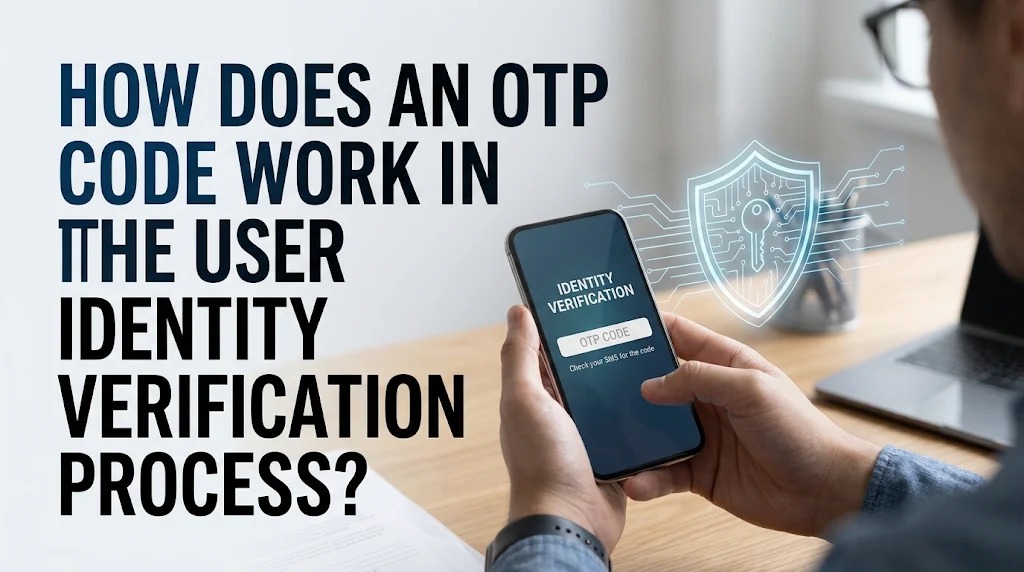
An OTP (One-Time Password) is a security code used to verify a person's identity when accessing digital accounts or completing online transactions. This code is commonly sent through SMS, email, or an authenticator application. Although it may look like a simple combination of numbers, an OTP plays an important role in protecting users from unauthorized access.
In today's digital environment, identity verification has become increasingly important. Many online services use OTP codes as an additional security measure to ensure that the person attempting to access an account is authorized to do so. Understanding how OTP codes work can help users recognize their benefits, use them correctly, and avoid potential security threats.
WHAT IS AN OTP CODE IN DIGITAL IDENTITY VERIFICATION?
An OTP code is a temporary password that can only be used once within a specific verification process. Unlike regular passwords, which can be used repeatedly, an OTP is designed to become invalid after successful use or when its expiration period ends. This makes it more difficult for unauthorized individuals to reuse stolen verification codes.
OTP codes generally consist of several numerical digits, although some systems may use a combination of letters and numbers. Digital platforms generate these codes automatically when users perform activities such as logging in, resetting passwords, registering accounts, or confirming online payments.
The main purpose of an OTP is to provide an additional layer of security during identity verification. Even if someone knows a user's regular password, they may still be unable to access the account without the correct OTP. Therefore, OTP technology helps reduce the risk of unauthorized account access.
HOW DOES THE OTP GENERATION PROCESS WORK?
The OTP verification process begins when a user requests access to a digital service or performs an activity that requires additional authentication. For example, when someone logs into an online banking application, the system may request an OTP to confirm the user's identity.
After receiving the request, the authentication system generates a temporary code using a predefined security mechanism. The code is then delivered through a registered communication channel, such as an SMS message, email, or authenticator application. Depending on the platform, the code may be generated by a central server or directly through an authentication application.
Once the user receives the OTP, they must enter it into the verification field provided by the platform. The system then checks whether the submitted code matches the expected code and remains within its validity period. If the information is correct, the verification process is completed and the requested activity can continue.
HOW DOES THE SYSTEM VERIFY A USER'S IDENTITY?
During identity verification, the system checks whether the OTP entered by the user matches the code associated with the authentication request. This process ensures that the verification attempt is connected to a legitimate request rather than an unauthorized attempt.
Some platforms use Time-Based One-Time Password (TOTP) technology, which generates codes based on a shared secret key and the current time. Other platforms use HMAC-Based One-Time Password (HOTP) technology, which generates codes using a secret key and an increasing counter. Both methods are designed to produce temporary verification codes that are difficult to predict without the required security information.
If the submitted OTP matches the system's expected value, the user's identity verification is accepted. However, if the code is incorrect, expired, or has already been used, the system may reject the request. Some platforms also limit the number of incorrect attempts to prevent automated attacks and unauthorized access.
WHAT ARE THE DIFFERENT METHODS OF OTP DELIVERY?
Digital platforms provide several methods for delivering OTP codes. Each method has different characteristics in terms of convenience, accessibility, and security. Understanding these differences can help users choose an appropriate verification method.
- SMS OTP: The verification code is sent through a text message to the mobile number registered with the account. This method is widely used because it does not require users to install additional authentication applications.
- Email OTP: The system sends a temporary code to the user's registered email address. Users can access the code through their email accounts, although security also depends on protecting the email account itself.
- Authenticator App: Applications generate OTP codes directly on a smartphone using a shared secret key. These codes can often be generated without an internet connection after the initial setup.
- Voice OTP: Some platforms deliver verification codes through automated phone calls. Users listen to the code and enter it into the verification system.
Among these methods, authenticator applications can provide stronger protection against certain attacks targeting SMS and email delivery. However, users should still protect their devices and recovery information because every authentication method has potential security weaknesses.
WHY IS AN OTP CODE IMPORTANT FOR ACCOUNT SECURITY?
OTP codes help strengthen digital account security by adding another verification requirement beyond a regular password. This approach is commonly known as Multi-Factor Authentication (MFA) when the OTP represents an additional authentication factor alongside another factor, such as a password.
For example, if a cybercriminal obtains someone's password through phishing or a data breach, the OTP requirement may prevent immediate access to the account. The attacker would also need to obtain the additional verification code or compromise the authentication process.
OTP technology is particularly useful for protecting online banking, digital wallets, email accounts, social media platforms, and other services containing personal information. It can reduce the likelihood of unauthorized transactions and account takeovers when implemented correctly.
However, OTP protection is not completely foolproof. Cybercriminals may use phishing websites, fake customer service messages, or social engineering techniques to persuade users to reveal their codes. Therefore, users should never share OTP codes with other people, even if someone claims to represent an official service provider.
CONCLUSION
An OTP code works by generating a temporary verification password that helps digital platforms confirm a user's identity. The system checks the submitted code against the expected verification information before allowing access or approving a specific activity. Through methods such as SMS, email, and authenticator applications, OTP technology provides an additional layer of protection for digital accounts.
Although OTP codes improve security, their effectiveness also depends on responsible user behavior and the quality of the authentication system. Users should keep their verification codes private, avoid suspicious links, and choose secure authentication methods. By understanding how OTP verification works, people can protect their digital identities and reduce the risk of unauthorized account access.
Recent Posts

Bagaimana Sistem SKS pada Program Kuliah... 22.11.2026/35 View

How Does Technology Make Daily Evaluation... 21.11.2026/69 View

Apa Strategi Menghadapi Kesenjangan antara Kompetensi... 21.11.2026/69 View

Mengapa Inventaris Aset Penting bagi Kelancaran... 21.11.2026/67 View

When Should Musicians Join a Record... 21.11.2026/68 View
