

How Does Body Language Build Trust in Conversations?
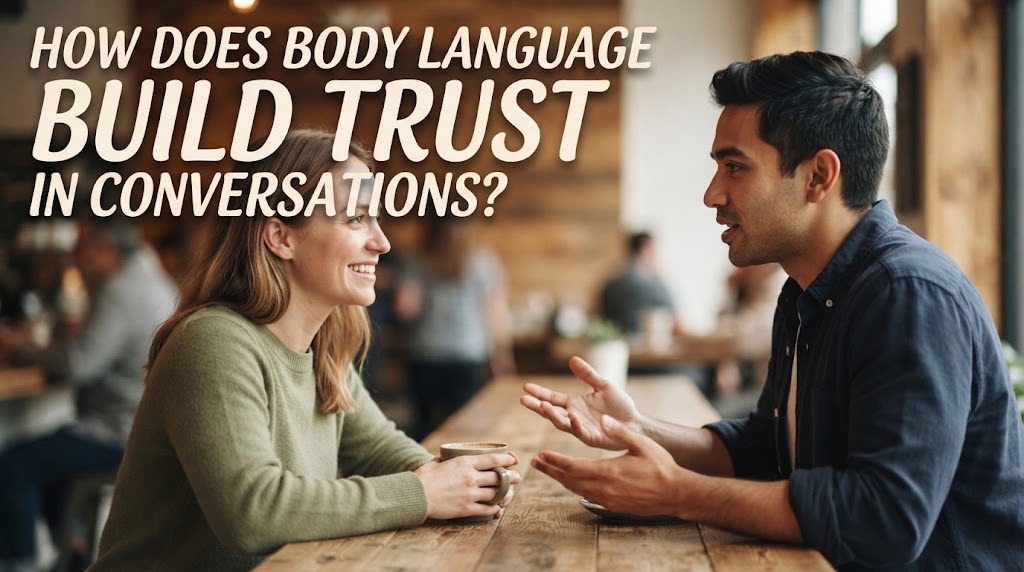
Body language plays an important role in building trust during conversations. Communication is not only about the words people say but also about how they use their posture, facial expressions, eye contact, gestures, and movements. These nonverbal signals can influence whether someone feels comfortable, respected, and confident in an interaction. When body language supports spoken words, conversations can feel more natural and trustworthy.
Trust does not usually develop from one action. It grows through consistent communication and positive interactions over time. Using appropriate body language can help people show that they are listening, being honest, and interested in the conversation.
SHOWS ATTENTION AND INTEREST
Body language can show that a person is genuinely paying attention to the conversation. Maintaining appropriate eye contact, facing the speaker, and using natural facial expressions can communicate interest and attention. These signals can make the speaker feel that their words are being heard and valued.
Small movements can also provide feedback during a conversation. For example, nodding at appropriate moments can show that someone is following the discussion. However, these actions should remain natural because exaggerated movements may appear forced and reduce the sense of authenticity.
CREATES A COMFORTABLE ATMOSPHERE
Open and relaxed body language can make conversations feel more comfortable. A relaxed posture, friendly facial expression, and appropriate personal space can help reduce tension between people. When someone feels comfortable, they may become more willing to share ideas, opinions, or concerns.
In contrast, closed body language may create distance. Crossing the arms tightly, constantly looking away, or turning the body away from the speaker can sometimes appear uninterested or defensive. Although these behaviors do not always have negative meanings, being aware of them can help people communicate more effectively.
SUPPORTS HONEST AND CONSISTENT COMMUNICATION
Trust can become stronger when body language is consistent with spoken words. For example, a person who says they are interested in listening while maintaining appropriate eye contact and an attentive expression can create a more believable impression. When verbal and nonverbal messages match, the conversation may feel more genuine.
However, body language should not be treated as a simple way to determine whether someone is telling the truth. People have different communication habits, personalities, and cultural backgrounds. Instead of judging someone from one gesture, it is better to consider their overall behavior, words, and the context of the conversation.
BUILDS EMPATHY AND UNDERSTANDING
Body language can also help people understand emotions that are not directly expressed through words. Facial expressions, posture, and gestures may provide clues about whether someone feels nervous, excited, confused, or uncomfortable. Recognizing these signals can help a person respond with greater empathy.
For example, if someone appears uncomfortable while discussing a difficult topic, the listener can slow down the conversation or give them more time to respond. This kind of awareness can show care and respect. Over time, such interactions can contribute to stronger and more trusting relationships.
STRENGTHENS SOCIAL CONNECTIONS
Positive body language can support stronger relationships in personal, educational, and professional settings. A friendly expression, appropriate eye contact, and attentive posture can make people feel more connected during conversations. These signals show that a person is present and willing to engage with others.
Trust becomes easier to develop when positive body language is used consistently. People are more likely to feel comfortable communicating with someone who listens carefully, respects personal boundaries, and responds appropriately. Therefore, body language can become an important part of maintaining healthy and effective relationships.
HOW TO USE BODY LANGUAGE TO BUILD TRUST
Using body language effectively does not require complicated techniques. People can start by maintaining natural eye contact, keeping a relaxed posture, facing the speaker, and showing appropriate facial expressions. Listening without constantly checking a phone or looking distracted can also demonstrate genuine attention.
It is equally important to respect personal space and avoid gestures that may make others uncomfortable. Body language should match the situation and the relationship between people. By remaining natural, respectful, and attentive, people can create conversations that feel more open and trustworthy.
CONCLUSION
Body language builds trust in conversations by showing attention, creating comfort, supporting consistent communication, and strengthening social connections. Appropriate nonverbal signals can make people feel respected and understood. When body language and spoken communication work together naturally, conversations can become more effective and meaningful.
Recent Posts

Bagaimana Sistem SKS pada Program Kuliah... 22.11.2026/40 View

How Does Technology Make Daily Evaluation... 21.11.2026/71 View

Apa Strategi Menghadapi Kesenjangan antara Kompetensi... 21.11.2026/73 View

Mengapa Inventaris Aset Penting bagi Kelancaran... 21.11.2026/69 View

When Should Musicians Join a Record... 21.11.2026/73 View
