

How Does Climate Change Affect Biodiversity?
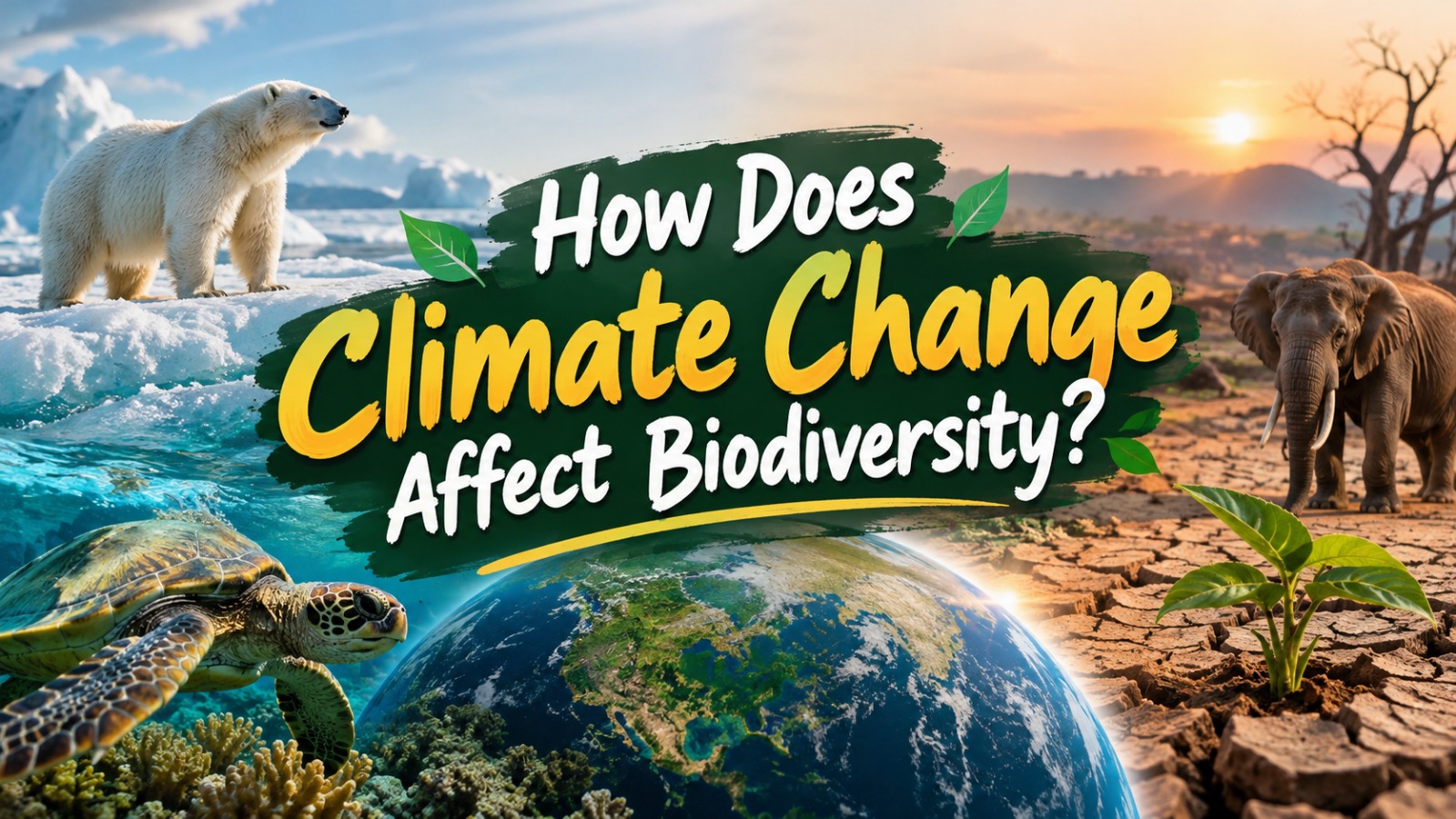
Climate change is one of the major threats to biodiversity around the world. Rising temperatures, changing rainfall patterns, droughts, and extreme weather events can damage natural habitats and threaten the survival of many species. Biodiversity refers to the variety of living organisms, including animals, plants, fungi, and microorganisms, as well as the ecosystems where they live. When environmental conditions change too quickly, many species struggle to adapt, find food, or reproduce successfully. Protecting biodiversity is essential because healthy ecosystems support human life by providing food, clean water, fertile soil, and other important natural resources.
UNDERSTANDING THE RELATIONSHIP BETWEEN CLIMATE CHANGE AND BIODIVERSITY
Climate change affects biodiversity by changing the environmental conditions that living organisms depend on. Every species has specific needs related to temperature, water availability, food, and habitat. When these conditions change, some species may move to new areas, while others experience declining populations. Species that cannot adapt or move quickly enough face a greater risk of extinction. These changes can also disturb relationships between plants, animals, and other organisms, making ecosystems less stable.
For example, warmer temperatures can affect when plants flower and when animals migrate or reproduce. If these natural events no longer happen at the same time, some animals may struggle to find food. Changes in rainfall can also reduce water supplies and damage habitats. Climate change can therefore affect entire food webs, not just individual species.
LOSS OF NATURAL HABITATS
One of the most serious effects of climate change is the loss or degradation of natural habitats. Rising temperatures, prolonged droughts, wildfires, and changing rainfall patterns can make forests, grasslands, wetlands, and other ecosystems less suitable for wildlife. In coastal areas, rising sea levels can damage mangroves, salt marshes, and nesting grounds for certain animals. Habitat loss reduces the space available for species to find food, reproduce, and survive.
Some species can move to more suitable environments, but others cannot because of physical barriers, limited mobility, or a lack of connected habitats. Human activities such as deforestation and urban development can make this problem worse by reducing the areas available for wildlife to move into. Protecting natural habitats and restoring damaged ecosystems can help species cope with changing environmental conditions.
THREATS TO ANIMALS AND PLANT SPECIES
Climate change affects different species in different ways. Animals that depend on cold environments, such as polar bears, face challenges as sea ice declines. Marine species may move toward cooler waters as ocean temperatures rise, affecting fishing communities and other animals that depend on them. Plants can also experience heat stress, water shortages, and changes in growing seasons. Species with narrow habitat requirements or limited ability to adapt are often especially vulnerable.
Changes in temperature can also affect reproduction, migration, and survival rates. For example, the sex of some sea turtle hatchlings depends on the temperature at which their eggs develop, so warmer sand can create an imbalance in hatchling sex ratios. Insects and other small organisms may also change their distribution as conditions become warmer. These effects can alter population sizes and increase pressure on already threatened species.
THE IMPACT OF CLIMATE CHANGE ON MARINE BIODIVERSITY
Oceans absorb much of the excess heat trapped by greenhouse gases, causing ocean temperatures to rise. Warmer water can lead to coral bleaching, a process in which corals lose the algae that provide much of their energy. If stressful conditions continue for too long, corals may die, damaging reef ecosystems that support many marine species. Coral reefs also help protect coastlines and provide food and livelihoods for millions of people.
Another major problem is ocean acidification, which occurs when seawater absorbs carbon dioxide from the atmosphere. This process makes it more difficult for some marine organisms, including corals and shell-forming animals, to build and maintain their calcium carbonate structures. Together, warming oceans and acidification can disrupt marine food webs, reduce habitat quality, and threaten biodiversity. Reducing greenhouse gas emissions is essential to limit these pressures.
DISRUPTION OF FOOD CHAINS AND ECOSYSTEMS
Climate change can disturb food chains by affecting the availability and timing of food. When plants grow earlier because of warmer temperatures, the insects or animals that depend on them may not be ready to benefit from that change. Similarly, shifts in fish populations can affect seabirds, marine mammals, and fishing communities. When one species declines, the effects can spread to other parts of the ecosystem.
Ecosystems also depend on natural processes such as pollination, seed dispersal, and nutrient cycling. If climate change reduces the number of pollinators or changes their activity, some plants may produce fewer fruits and seeds. This can affect animals that depend on those plants for food. Maintaining biodiversity helps ecosystems remain more resilient to environmental changes and recover from disturbances.
HOW CLIMATE CHANGE AFFECTS HUMAN LIFE THROUGH BIODIVERSITY
Biodiversity is closely connected to human well-being. People depend on healthy ecosystems for food, clean water, medicines, pollination, and natural protection against floods and coastal storms. When climate change damages ecosystems, these benefits can become less reliable. For example, declining pollinator populations can affect the production of certain crops, while damaged forests can reduce water quality and increase soil erosion.
Communities that depend heavily on fishing, farming, forests, or tourism may face serious economic difficulties when biodiversity declines. Indigenous peoples and local communities may also lose access to natural resources that support their livelihoods and cultural traditions. Protecting biodiversity is therefore not only an environmental responsibility but also an important part of protecting food security, public well-being, and sustainable development.
WAYS TO PROTECT BIODIVERSITY FROM CLIMATE CHANGE
Protecting biodiversity requires coordinated action from governments, businesses, communities, and individuals. One important step is to reduce greenhouse gas emissions by using renewable energy, improving energy efficiency, and limiting the use of fossil fuels. Governments can also protect forests, wetlands, coral reefs, and other important habitats through effective conservation policies. Restoring damaged ecosystems can create safer environments for wildlife and improve their ability to withstand climate-related pressures.
Individuals can contribute by reducing waste, using resources responsibly, supporting sustainable products, and participating in local conservation activities. Scientists can monitor species and habitats to identify populations that need urgent protection. Creating connected wildlife habitats can also help species move as environmental conditions change. Although these actions cannot remove every threat, they can reduce the combined pressures on biodiversity and give ecosystems a better chance of survival.
CONCLUSION
Climate change affects biodiversity by changing natural habitats, threatening animal and plant species, warming oceans, and disrupting food chains. These impacts can weaken ecosystems and reduce the natural resources that people depend on every day. Reducing greenhouse gas emissions and protecting natural habitats are essential steps toward conserving biodiversity. Governments, organizations, and individuals all have a role in addressing this challenge. By taking action now, the world can help protect wildlife, maintain healthier ecosystems, and support a more sustainable future.
Recent Posts

Bagaimana Sistem SKS pada Program Kuliah... 22.11.2026/49 View

How Does Technology Make Daily Evaluation... 21.11.2026/76 View

Apa Strategi Menghadapi Kesenjangan antara Kompetensi... 21.11.2026/78 View

Mengapa Inventaris Aset Penting bagi Kelancaran... 21.11.2026/74 View

When Should Musicians Join a Record... 21.11.2026/78 View
