

How Does Climate Change Affect Coastal Communities?
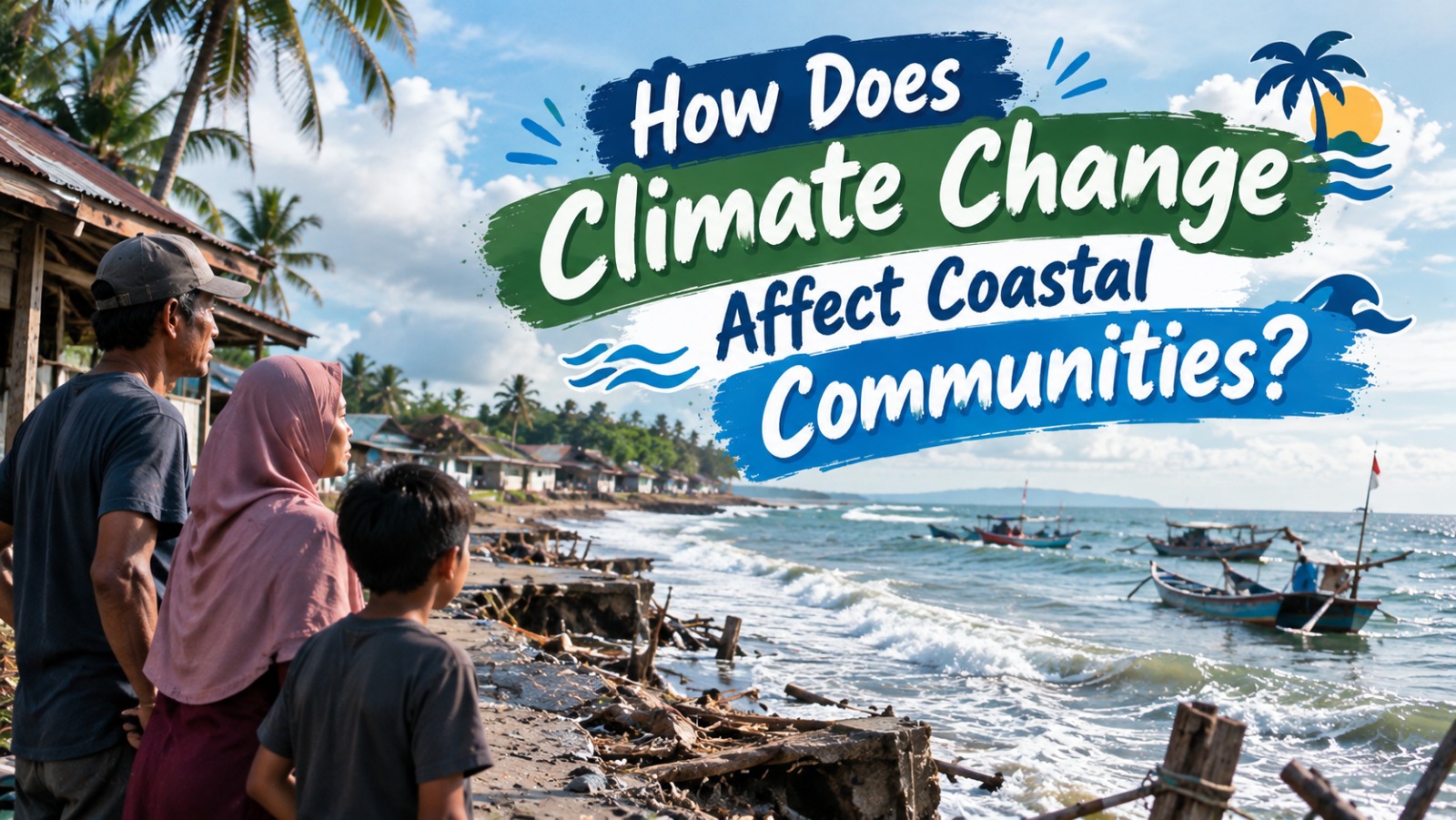
Coastal communities depend on the ocean for food, employment, transportation, and tourism. However, climate change is creating serious challenges for people who live near the sea. Rising sea levels, stronger coastal flooding, ocean warming, and changing weather patterns can damage homes, businesses, and natural habitats. These impacts may also threaten drinking water supplies and reduce income for families who depend on fishing or tourism. Understanding how climate change affects coastal communities is essential for protecting livelihoods, reducing risks, and preparing for future environmental changes.
RISING SEA LEVELS AND COASTAL FLOODING
One of the most significant effects of climate change on coastal communities is rising sea levels. Sea levels rise mainly because warmer ocean water expands and melting glaciers and ice sheets add more water to the oceans. As sea levels increase, coastal areas become more vulnerable to flooding, especially during high tides and storms. Low-lying neighborhoods, roads, ports, and public facilities may experience flooding more frequently. Repeated coastal flooding can damage infrastructure, disrupt daily activities, and increase the cost of maintaining homes and businesses.
In some areas, seawater can reach places that previously remained dry. Communities may need to improve drainage systems, raise buildings, restore natural coastal barriers, or relocate from highly exposed locations. The level of risk varies depending on local geography, land movement, coastal protection, and future sea-level changes. Planning ahead can help residents and authorities reduce damage and protect people living in vulnerable areas.
COASTAL EROSION AND LOSS OF LAND
Climate change can worsen coastal erosion by raising sea levels and increasing the reach of waves and storm surges. Coastal erosion occurs when waves, currents, and other forces remove sand or soil from shorelines. As the coastline retreats, beaches may become narrower, cliffs may become unstable, and land near the sea may gradually disappear. This can threaten houses, roads, farmland, and facilities that support local communities.
The loss of beaches can also affect tourism and recreation, reducing income for businesses that depend on visitors. Some communities may lose important cultural sites or places connected to their history and traditions. Although erosion also occurs naturally, rising sea levels and changing storm conditions can increase pressure on certain coastlines. Protecting coastal vegetation, restoring dunes, and carefully managing construction near shorelines can help reduce some of these risks.
IMPACTS ON FISHING AND MARINE RESOURCES
Fishing is an important source of food and income for many coastal communities. Ocean warming and changes in marine ecosystems can affect the distribution, growth, and reproduction of fish and other marine species. As water temperatures change, some fish move toward cooler areas, making traditional fishing locations less productive. These shifts can increase the time and cost required for fishers to find their catch.
Ocean acidification, caused by the ocean absorbing carbon dioxide from the atmosphere, also creates challenges for some marine organisms. Corals and certain shell-forming animals may have greater difficulty building and maintaining their structures under more acidic conditions. Damage to coral reefs can reduce habitat for fish and weaken natural protection against waves. Sustainable fishing, marine habitat protection, and better monitoring of fish populations can help coastal communities respond to these changes.
DAMAGE TO HOMES AND INFRASTRUCTURE
Climate change can expose coastal infrastructure to flooding, erosion, and storm damage. Roads, bridges, electricity networks, water systems, schools, and hospitals may become difficult to access or operate during extreme weather. Damage to essential infrastructure can interrupt public services and make recovery more expensive. Businesses may also lose equipment, buildings, and supplies when floodwater reaches commercial areas.
The effects can continue long after a storm or flood has passed. Residents may face costly repairs, temporary displacement, and disruptions to education, healthcare, and employment. Communities with limited financial resources may find it harder to rebuild quickly. Stronger building standards, improved drainage, reliable emergency systems, and climate-risk planning can help reduce damage and support faster recovery.
THREATS TO CLEAN WATER AND PUBLIC HEALTH
Rising sea levels and coastal flooding can threaten freshwater supplies. In some coastal areas, seawater can enter underground freshwater reserves, a process known as saltwater intrusion. This can make groundwater too salty for drinking or irrigation unless it is treated. Floodwater can also carry sewage, chemicals, and other pollutants into wells and water systems, increasing the risk of contamination.
Climate-related heat and flooding can create additional public health challenges. Extreme heat can cause dehydration and heat-related illness, while damaged sanitation systems may increase exposure to waterborne diseases. Emergency conditions can also make it difficult for residents to access healthcare, clean water, and safe shelter. Protecting water sources, improving sanitation, and preparing public health services are important steps in keeping coastal communities safe.
ECONOMIC CHALLENGES FOR COASTAL COMMUNITIES
Climate change can affect several industries that support coastal economies, including fishing, tourism, shipping, and agriculture. Flooding and erosion can damage businesses, while changing marine conditions may reduce the availability of fish. Beaches, coral reefs, and other natural attractions may also suffer damage, discouraging visitors and reducing tourism income. When local industries lose income, families may struggle to cover everyday expenses and maintain stable employment.
The financial burden can be especially serious for small businesses and households that lack insurance or savings. Repeated disasters may increase repair costs and make it more difficult for communities to invest in education, healthcare, and other services. Some workers may need to find new jobs or learn different skills as local industries change. Diversifying employment opportunities and supporting sustainable coastal businesses can help communities become more economically resilient.
PROTECTING COASTAL ECOSYSTEMS
Natural ecosystems play an important role in protecting coastal communities from climate-related risks. Mangrove forests, salt marshes, seagrass beds, and coral reefs provide habitats for wildlife and can reduce the impact of certain waves and coastal hazards. Mangroves, for example, can help stabilize shorelines and reduce erosion, while coral reefs can weaken incoming wave energy under suitable conditions. These ecosystems also support fisheries, tourism, and biodiversity.
However, coastal habitats face pressure from warming oceans, rising sea levels, pollution, and development. Protecting and restoring these environments can provide both environmental and social benefits. Conservation efforts should be based on local conditions because no single ecosystem can protect every coastline from every hazard. Combining natural protection with well-designed infrastructure can offer a more effective approach to coastal risk management.
WAYS TO HELP COASTAL COMMUNITIES ADAPT
Coastal communities can take several steps to prepare for climate change. Governments can improve flood defenses, upgrade drainage systems, strengthen building standards, and develop early warning systems for dangerous weather. Climate adaptation means adjusting plans, infrastructure, and daily activities to reduce harm from current and expected climate impacts. Communities can also restore mangroves, protect wetlands, and avoid building in areas that face severe and repeated risks.
Residents can prepare by learning evacuation routes, following official weather warnings, protecting important documents, and developing household emergency plans. Local authorities should involve residents, scientists, businesses, and community organizations when designing adaptation strategies. In some highly exposed areas, planned relocation may be necessary when protection is no longer safe or practical. At the same time, reducing greenhouse gas emissions remains essential to limit future warming and reduce the severity of long-term climate risks.
CONCLUSION
Climate change affects coastal communities through rising sea levels, coastal erosion, damage to infrastructure, threats to freshwater, and changes in marine ecosystems. These effects can harm public health, reduce income, and force some residents to leave their homes. Protecting coastal communities requires a combination of climate adaptation, ecosystem conservation, resilient infrastructure, and reduced greenhouse gas emissions. Governments, local residents, businesses, and environmental organizations all have important roles to play. With careful planning and sustained cooperation, coastal communities can reduce risks and build a safer, more resilient future.
Recent Posts

Bagaimana Sistem SKS pada Program Kuliah... 22.11.2026/49 View

How Does Technology Make Daily Evaluation... 21.11.2026/76 View

Apa Strategi Menghadapi Kesenjangan antara Kompetensi... 21.11.2026/78 View

Mengapa Inventaris Aset Penting bagi Kelancaran... 21.11.2026/74 View

When Should Musicians Join a Record... 21.11.2026/78 View
