

How Does Climate Change Affect Public Health?
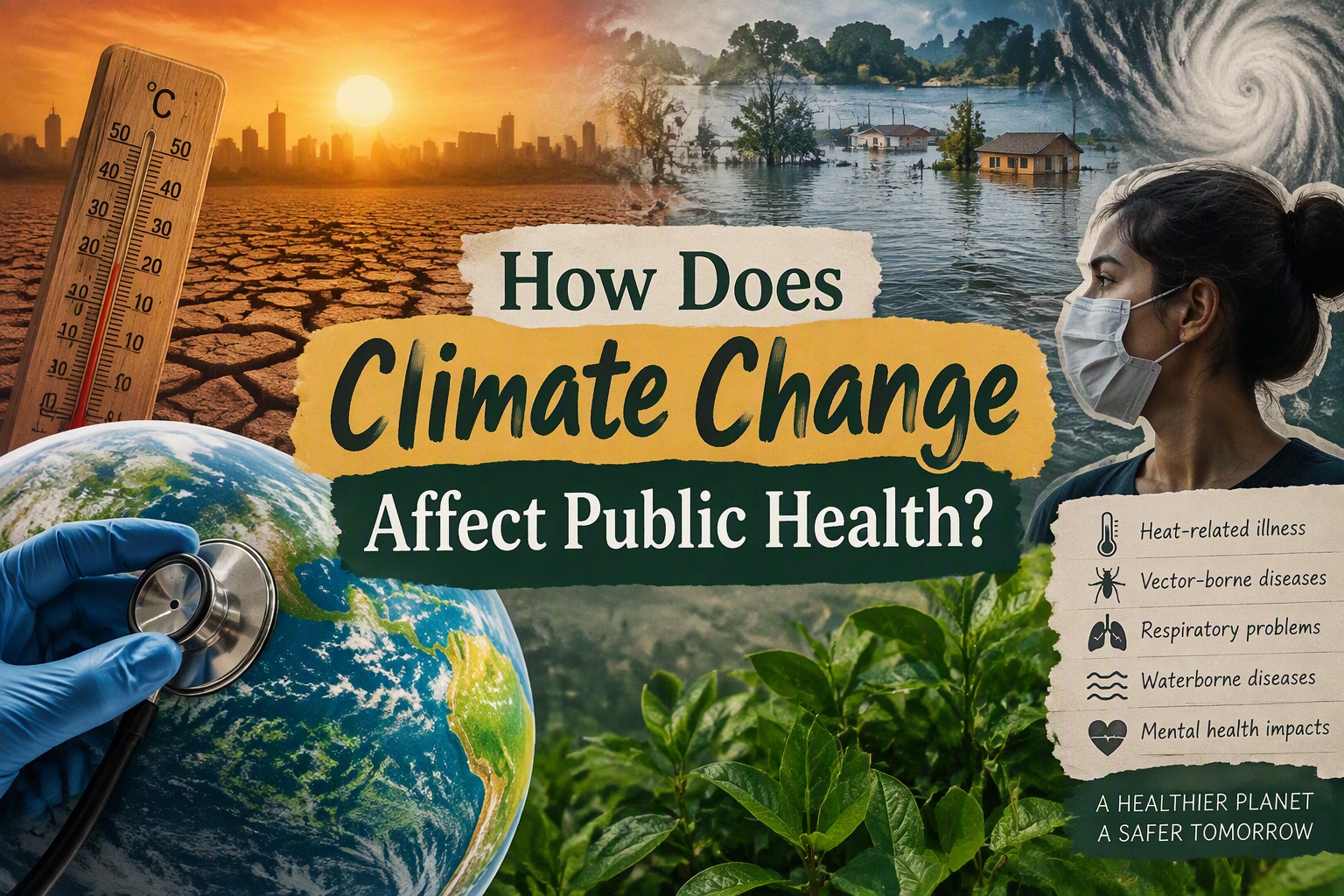
Climate change is not only an environmental problem but also a major challenge for public health. Rising temperatures, changing rainfall patterns, and more frequent extreme weather events can affect people's physical and mental well-being. These changes may increase the risk of heat-related illnesses, respiratory problems, infectious diseases, and food and water shortages. The effects are often more severe for children, older adults, outdoor workers, and people with limited access to healthcare. Understanding how climate change affects public health is essential for protecting communities and building healthier, more resilient societies.
1. EXTREME HEAT AND HEAT-RELATED ILLNESSES
Rising temperatures and heatwaves can create serious health risks, especially when people are exposed to high temperatures for long periods. Extreme heat can cause dehydration, heat exhaustion, and potentially life-threatening heatstroke. It can also place additional pressure on the heart and kidneys, particularly among people with existing health conditions. Outdoor workers, older adults, infants, and people without access to cool indoor spaces are especially vulnerable. Providing drinking water, improving ventilation, creating shaded areas, and issuing heat warnings can help reduce these risks.
2. AIR POLLUTION AND RESPIRATORY PROBLEMS
Climate change can worsen certain air quality problems and increase exposure to harmful pollutants. Higher temperatures can contribute to the formation of ground-level ozone, which can irritate the lungs and make breathing difficult. Hotter and drier conditions can also increase the risk of wildfires in some regions, producing smoke and fine particles that affect respiratory and cardiovascular health. People with asthma, children, and older adults may be particularly sensitive to these pollutants. Reducing fossil fuel emissions, monitoring air quality, and limiting exposure to smoke can help protect public health.
3. THE SPREAD OF INFECTIOUS DISEASES
Changes in temperature and rainfall can influence the distribution of certain disease-carrying insects and other organisms. Mosquito-borne diseases, including dengue and malaria, may spread into new areas when environmental conditions become more suitable for mosquito survival and reproduction. Flooding and warmer conditions can also affect the risks associated with some waterborne and foodborne diseases. However, disease transmission depends on several factors, including sanitation, healthcare access, public health measures, and local environmental conditions. Strengthening disease surveillance, controlling mosquito breeding sites, and improving access to healthcare can help communities respond to changing risks.
4. FOOD SECURITY AND NUTRITION
Climate change can threaten food security by affecting agricultural production, food distribution, and access to nutritious meals. Droughts, floods, and extreme heat can damage crops, reduce livestock productivity, and disrupt food supplies. When harvests decline or transportation systems are damaged, food prices may rise and some households may struggle to afford balanced diets. In some regions, elevated atmospheric carbon dioxide and changing growing conditions can also affect the nutritional quality of certain crops. Supporting climate-resilient agriculture, reducing food waste, and improving food distribution systems can help protect nutrition and public health.
5. WATER SHORTAGES AND WATERBORNE DISEASES
Access to safe drinking water is essential for maintaining good health. Climate change can increase water scarcity by contributing to prolonged droughts, higher evaporation, and changing rainfall patterns in some areas. Floods can contaminate water supplies with sewage, chemicals, and harmful microorganisms, increasing the risk of illnesses such as diarrhea. Water shortages may also make it harder for communities to maintain proper hygiene and sanitation. Protecting water sources, improving water treatment systems, and preparing safe emergency water supplies can help reduce these health risks.
6. MENTAL HEALTH AND EMOTIONAL WELL-BEING
Climate change can affect mental health as well as physical health. Extreme weather events such as floods, wildfires, and severe storms can cause fear, grief, anxiety, and emotional distress, especially when people lose homes, livelihoods, or loved ones. People who must leave their communities after disasters may experience uncertainty, social isolation, and difficulties adjusting to new environments. Repeated exposure to climate-related risks can also create ongoing stress about personal safety and the future. Access to mental health services, community support, and effective disaster recovery programs can help people cope with these challenges.
7. HEALTH RISKS FOR VULNERABLE POPULATIONS
Climate change does not affect everyone equally. Children, older adults, pregnant people, outdoor workers, and people with chronic illnesses may face greater health risks because of their physical needs, living conditions, or level of exposure. Low-income communities may also have fewer resources to access air conditioning, clean water, quality healthcare, and safe housing. People living in coastal areas or regions frequently affected by droughts and floods may experience repeated disruptions to essential services. Improving healthcare access, strengthening community support, and prioritizing vulnerable groups in climate planning can help reduce these inequalities.
8. HOW CAN WE PROTECT PUBLIC HEALTH FROM CLIMATE CHANGE?
Protecting public health requires a combination of climate action, healthcare preparation, and community awareness. Governments can develop early warning systems, improve access to clean water, strengthen disease surveillance, and prepare hospitals for heatwaves and extreme weather. Communities can create cooling centers, improve green spaces, and provide clear guidance during environmental emergencies. Individuals can stay hydrated during hot weather, follow local health warnings, maintain good hygiene, and seek medical assistance when experiencing serious symptoms. Reducing greenhouse gas emissions is also essential because it can limit future warming and reduce the severity of some climate-related health risks.
CONCLUSION
Climate change affects public health through extreme heat, air pollution, infectious diseases, food insecurity, water shortages, and mental health challenges. These effects can place additional pressure on healthcare systems and increase existing health inequalities. Vulnerable populations often face greater risks, particularly when access to essential services is limited. Governments, healthcare providers, communities, and individuals must work together to reduce emissions, improve preparedness, and protect those most at risk. Taking action now can help safeguard human health and build more resilient communities for the future.
Recent Posts

Bagaimana Sistem SKS pada Program Kuliah... 22.11.2026/48 View

How Does Technology Make Daily Evaluation... 21.11.2026/76 View

Apa Strategi Menghadapi Kesenjangan antara Kompetensi... 21.11.2026/78 View

Mengapa Inventaris Aset Penting bagi Kelancaran... 21.11.2026/73 View

When Should Musicians Join a Record... 21.11.2026/78 View
