

How Does Climate Change Affect The Tourism Industry?
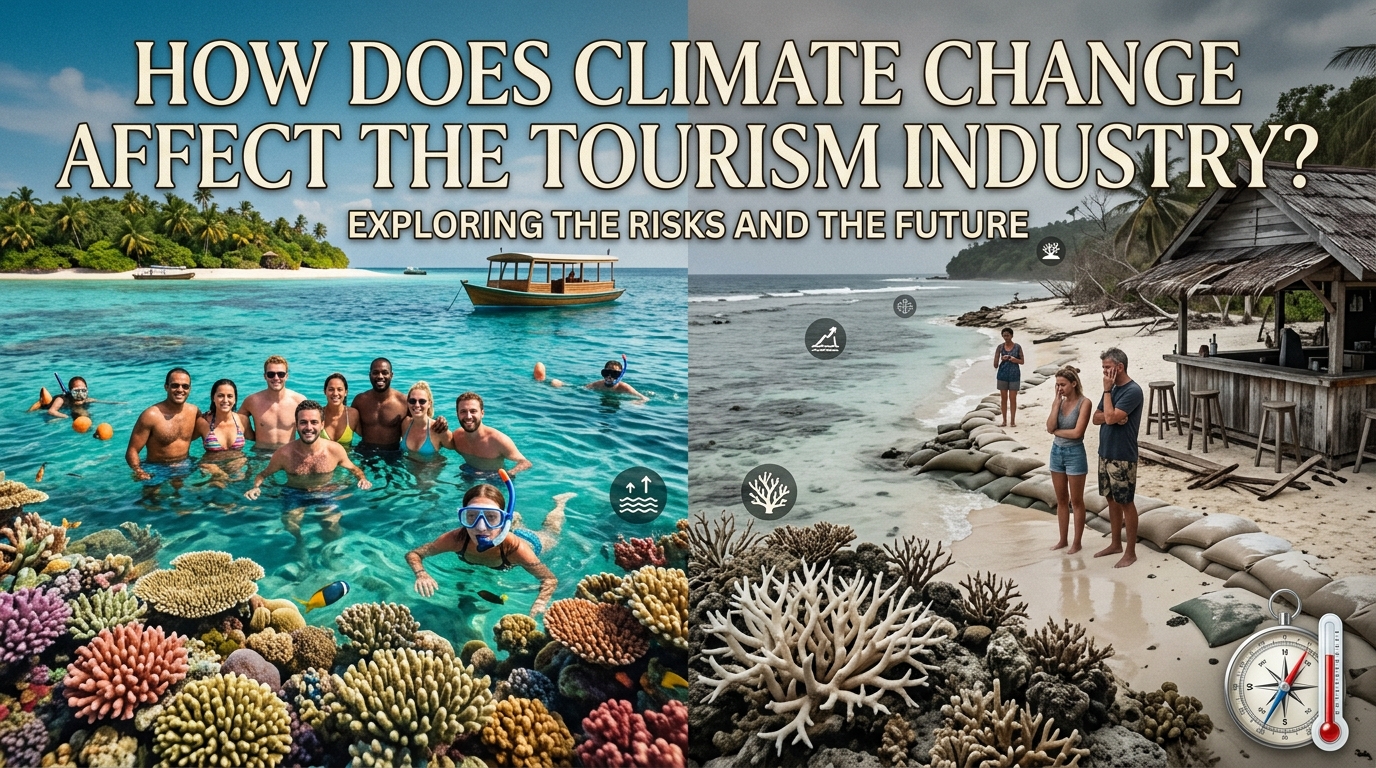
Climate change is becoming a major challenge for the global tourism industry. Rising temperatures, extreme weather events, rising sea levels, and changing rainfall patterns can affect popular destinations and the experiences of travelers. Tourism depends heavily on natural landscapes, comfortable weather, and healthy ecosystems, making it especially vulnerable to environmental changes. Climate change can damage tourist attractions, disrupt travel plans, increase operating costs, and threaten local jobs. Understanding these effects is important for tourism businesses, governments, and travelers who want to protect destinations and support sustainable tourism.
CHANGING WEATHER CONDITIONS AND TRAVEL EXPERIENCES
Climate change can alter the weather conditions that attract tourists to particular destinations. Rising temperatures may make outdoor activities uncomfortable, especially in tropical cities and areas with limited shade. Heatwaves can discourage visitors from participating in sightseeing, hiking, and other physical activities. Meanwhile, changes in rainfall patterns can create longer rainy seasons or increase the risk of drought in some regions. Unpredictable weather can make it more difficult for travelers to choose suitable travel dates and enjoy their holidays.
Seasonal tourism can also change as temperatures and weather patterns shift. Some destinations may experience shorter periods of comfortable weather, while others may become more attractive during different months. For example, extremely hot summers may reduce demand for certain Mediterranean destinations, while milder conditions could extend the tourism season in some cooler regions. However, these changes vary by location and depend on other factors, including travel costs and visitor preferences. Tourism businesses must adapt their services and schedules to changing environmental conditions.
DAMAGE TO NATURAL TOURIST ATTRACTIONS
Many tourist destinations depend on natural attractions such as beaches, coral reefs, forests, mountains, and national parks. Climate change threatens these environments through rising temperatures, changing rainfall, drought, and more intense climate-related hazards. For example, warmer ocean temperatures can cause coral bleaching, which occurs when corals lose the algae that provide much of their energy. Severe or repeated bleaching can kill corals and damage marine ecosystems that attract divers and snorkelers. The loss of coral reefs can reduce tourism income and harm communities that depend on marine activities.
Mountain destinations can also face serious challenges as temperatures rise. Glaciers are shrinking in many regions, affecting landscapes that attract visitors for sightseeing and outdoor recreation. Forest fires, droughts, and ecosystem changes can reduce the quality of nature-based tourism experiences. In coastal areas, sea-level rise and coastal erosion can damage beaches, threaten tourism facilities, and reduce the amount of land available for recreation. Protecting natural attractions is therefore essential for maintaining tourism opportunities and preserving environmental resources.
INCREASING RISKS FROM EXTREME WEATHER EVENTS
Climate change can increase the risks associated with certain extreme weather events, although the effects differ across regions and hazards. Heavy rainfall, floods, heatwaves, droughts, and some intense storms can disrupt tourism activities. Flooding may close roads, airports, hotels, and popular attractions, while wildfires can force visitors to evacuate affected areas. These disruptions can cause canceled bookings, unexpected travel expenses, and safety concerns for tourists. Extreme weather events can interrupt tourism operations and damage the reputation of affected destinations.
Tourism businesses must also prepare for emergencies to protect visitors and workers. Hotels, tour operators, and local authorities need clear evacuation procedures, reliable weather information, and communication systems. Destinations exposed to natural hazards may need stronger infrastructure and better emergency planning. Travel insurance and flexible booking policies can also help visitors manage unexpected disruptions. Effective disaster preparedness reduces potential losses and helps tourism businesses recover more quickly after dangerous events.
ECONOMIC IMPACTS ON TOURISM BUSINESSES AND LOCAL COMMUNITIES
Tourism supports millions of jobs worldwide, including employment in hotels, restaurants, transportation, travel agencies, and recreational services. When climate change damages attractions or disrupts travel, businesses may experience fewer visitors and lower income. For example, beach erosion can reduce demand for coastal resorts, while prolonged drought can affect destinations that depend on lakes, rivers, or other water-based attractions. Businesses may also face higher costs for cooling, water supplies, repairs, and insurance. Climate-related financial losses can make it difficult for small tourism businesses to remain profitable.
Local communities may suffer when tourism income declines because many households depend on seasonal visitors. Workers may lose shifts, small business owners may struggle to cover expenses, and local governments may collect less tourism-related revenue. Communities with limited economic alternatives can be particularly vulnerable to these changes. Supporting local businesses, diversifying income sources, and investing in climate-resilient infrastructure can help reduce these risks. Economic resilience is important for protecting tourism jobs and maintaining the livelihoods of people who depend on visitors.
EFFECTS ON COASTAL AND ISLAND DESTINATIONS
Coastal and island destinations are particularly exposed to rising sea levels, coastal erosion, saltwater intrusion, and flooding. Beaches may become narrower, while rising water levels can threaten hotels, roads, ports, and other tourism facilities. Saltwater entering freshwater supplies can make clean drinking water more difficult to obtain in some areas. These problems are especially serious for small islands with limited land and infrastructure. Coastal tourism may face increasing environmental and financial pressures as climate conditions change.
Some destinations may need to restore mangroves, protect wetlands, improve drainage, or strengthen buildings to reduce these risks. In certain locations, moving facilities away from highly exposed coastal areas may be necessary. Governments and tourism businesses should assess local hazards before building new hotels or attractions. Adaptation measures need to protect both tourism facilities and the ecosystems that support local communities. Long-term coastal planning can help preserve destinations while reducing the risks associated with climate change.
CHANGING WINTER AND ADVENTURE TOURISM
Winter tourism depends on reliable snowfall and suitable temperatures for activities such as skiing, snowboarding, and snow-based recreation. As temperatures rise, some mountain destinations experience shorter snow seasons and less reliable natural snowfall. Ski resorts may need to close earlier, operate for fewer days, or invest in artificial snowmaking where conditions permit. However, snowmaking requires water and energy and may become less effective during warmer periods. Declining snow reliability can threaten the income of businesses that depend on winter visitors.
Adventure tourism can also be affected by changing environmental conditions. Extreme heat may increase risks during hiking, climbing, and desert excursions, while wildfires can close trails and national parks. Changes in rainfall can affect river rafting, wildlife viewing, and other outdoor experiences. Tourism operators may need to adjust routes, schedules, safety procedures, and seasonal activities. Flexible tourism planning helps businesses respond to changing conditions while prioritizing visitor safety.
HOW THE TOURISM INDUSTRY CAN ADAPT TO CLIMATE CHANGE
The tourism industry can respond to climate change by improving infrastructure, conserving natural resources, and preparing for environmental risks. Hotels can improve energy efficiency, install water-saving equipment, and use renewable energy when practical. Tour operators can develop alternative activities for periods of extreme heat or heavy rainfall. Destinations can also improve public transportation, drainage systems, emergency communication, and access to reliable climate information. Climate adaptation helps tourism businesses continue operating while reducing their vulnerability to environmental changes.
Tourism businesses should also reduce greenhouse gas emissions because travel, accommodation, and related activities contribute to climate change. Possible actions include improving building efficiency, reducing food waste, supporting low-emission transportation, and using cleaner energy sources. Governments can encourage responsible tourism through environmental standards, conservation programs, and sustainable planning policies. Travelers can contribute by respecting local ecosystems, conserving water, and choosing more responsible travel options. Sustainable tourism combines environmental protection, community well-being, and long-term economic benefits.
CONCLUSION
Climate change affects the tourism industry by changing weather conditions, damaging natural attractions, increasing extreme weather risks, and creating economic challenges for businesses and communities. Coastal destinations, coral reefs, mountain resorts, and outdoor recreation areas are particularly vulnerable to specific climate impacts. However, adaptation, environmental conservation, and emissions reduction can help the industry respond to these challenges. Governments, tourism businesses, local communities, and travelers all have important roles in protecting destinations. By planning for future climate risks and adopting sustainable practices, the tourism industry can become more resilient and continue supporting local economies.
Recent Posts

Bagaimana Sistem SKS pada Program Kuliah... 22.11.2026/50 View

How Does Technology Make Daily Evaluation... 21.11.2026/80 View

Apa Strategi Menghadapi Kesenjangan antara Kompetensi... 21.11.2026/79 View

Mengapa Inventaris Aset Penting bagi Kelancaran... 21.11.2026/75 View

When Should Musicians Join a Record... 21.11.2026/80 View
