

How Does Climate Change Affect Wildlife?
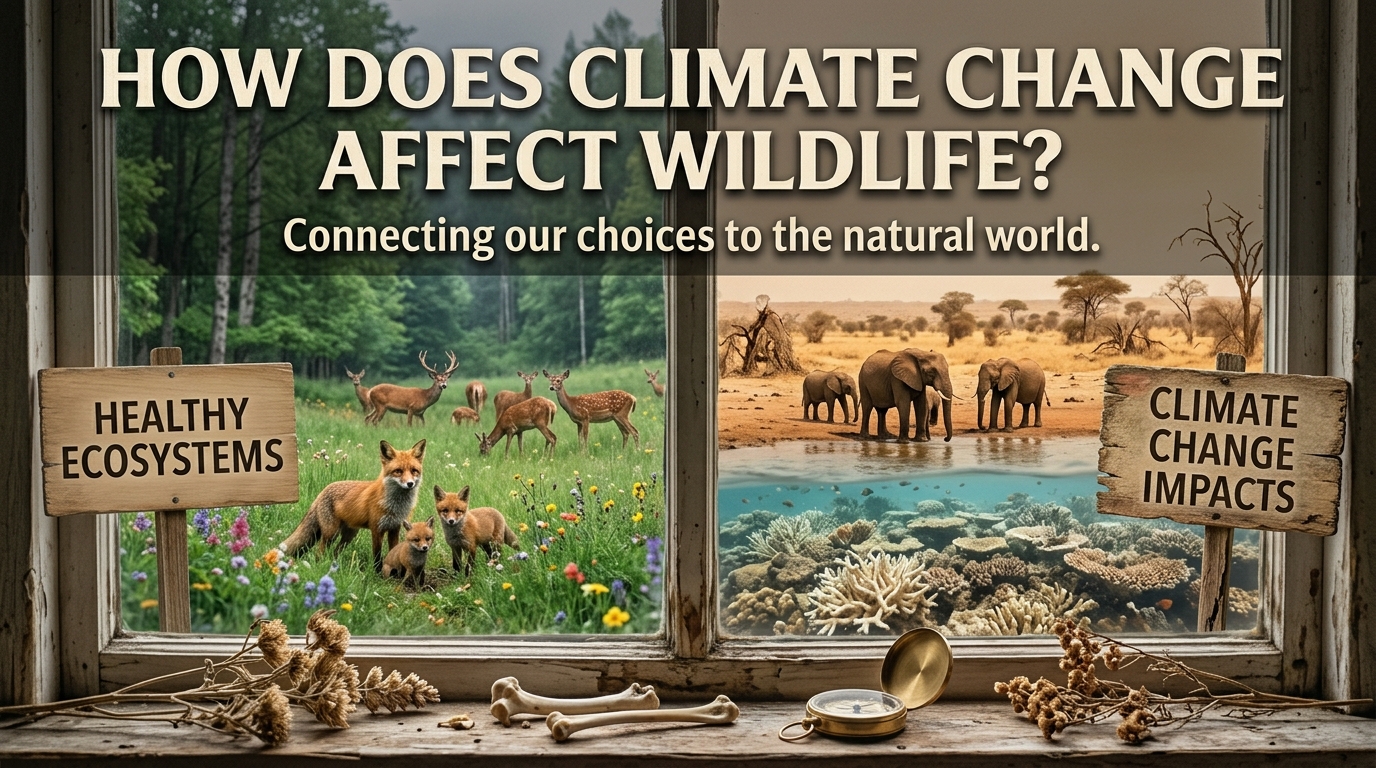
Climate change is one of the biggest environmental challenges facing wildlife around the world. Rising temperatures, changing rainfall patterns, melting ice, and more frequent extreme weather events are altering the natural habitats that animals depend on for survival. From polar bears in the Arctic to sea turtles in tropical oceans, many species are experiencing changes that affect their food sources, breeding patterns, and ability to survive.
Understanding how climate change affects wildlife is essential for protecting biodiversity and maintaining healthy ecosystems. Some animals can adapt to changing conditions, but others struggle when environmental changes happen too quickly. These challenges can disrupt food chains, reduce animal populations, and increase the risk of extinction for vulnerable species. By understanding these impacts, people can take meaningful steps to protect wildlife and preserve the natural world.
HOW RISING TEMPERATURES AFFECT WILDLIFE
Rising global temperatures can change the environments where animals live, making some habitats less suitable for survival. Species adapted to cold conditions, such as polar bears, depend on Arctic sea ice for activities such as hunting seals. As the ice melts, these animals may need to travel farther to find food, increasing energy use and reducing their chances of survival. Other species may experience heat stress when temperatures rise beyond their normal tolerance. These changes can affect animal health, reproduction, and population growth.
Warmer conditions can also influence where animals live and how they behave. Some species move toward cooler regions or higher elevations to find suitable temperatures, while others change their activity patterns to avoid extreme heat. However, migration is not always possible because roads, cities, farms, and other human developments can block natural movement routes. Animals that cannot move or adapt quickly enough may face declining populations. Temperature changes can therefore reshape wildlife distribution and alter the balance of entire ecosystems.
CLIMATE CHANGE AND THE LOSS OF WILDLIFE HABITATS
Wildlife depends on specific habitats for food, shelter, breeding, and protection from predators. Climate change can damage these environments through droughts, rising sea levels, melting glaciers, and changes in seasonal rainfall. For example, rising sea levels can flood coastal wetlands and nesting beaches used by birds, turtles, and other animals. Prolonged droughts can reduce water supplies and vegetation, leaving land animals with fewer resources. When habitats become smaller or less suitable, wildlife populations may decline.
Some ecosystems are particularly vulnerable to climate-related changes. Coral reefs can suffer from marine heat waves, which cause corals to expel the algae that provide much of their energy, resulting in coral bleaching. If stressful conditions continue, corals may die, reducing food and shelter for many marine species. Forests can also be affected by heat, drought, and increased wildfire risk in some regions. Habitat degradation threatens biodiversity because animals may lose the resources they need to survive and reproduce.
CHANGES IN FOOD SOURCES AND ANIMAL FOOD CHAINS
Climate change can disrupt the availability of food for wildlife. Changes in temperature and rainfall affect plant growth, insect populations, plankton, and other organisms that form the foundation of many food chains. When plants produce food earlier or later than usual, animals that depend on them may struggle to find enough nourishment at the right time. For example, some birds rely on seasonal insect abundance to feed their chicks, but warming temperatures can create a mismatch between breeding periods and food availability. Such changes may reduce reproductive success and threaten population stability.
Marine ecosystems also experience changes in food availability as ocean temperatures rise and water chemistry changes. Shifts in plankton distribution can affect fish populations, which in turn influence seabirds, seals, and larger marine predators. Animals may need to travel farther to locate food, requiring more energy and increasing competition. Species that cannot change their diets or feeding locations may be especially vulnerable. Disruptions to food chains can spread through ecosystems, affecting many species rather than only the animals directly exposed to climate change.
HOW CLIMATE CHANGE AFFECTS ANIMAL MIGRATION AND BREEDING
Many wildlife species depend on seasonal environmental signals to guide migration, mating, and reproduction. Rising temperatures can change the timing of spring growth, rainfall, and food availability, causing animals to adjust when they move or breed. Some migratory birds, for example, may arrive at breeding grounds when the peak abundance of insects has already passed. This mismatch can make it harder for parents to feed their young successfully. Changes in seasonal timing can therefore reduce reproductive success and affect long-term population trends.
Breeding conditions can also influence the survival of eggs and young animals. Sea turtles, for example, bury their eggs in sand, and incubation temperature affects the sex of many turtle hatchlings. Warmer nesting sand can produce a higher proportion of females in several species, potentially creating an unbalanced sex ratio if temperatures become extreme. Other animals may experience reduced breeding success when droughts, floods, or heat waves damage nests and breeding grounds. These effects vary between species, but they show how climate change can interfere with wildlife reproduction.
EXTREME WEATHER AND WILDLIFE SURVIVAL
Climate change increases the frequency or intensity of some types of extreme weather, although the effects vary by region and event. Heat waves, heavy rainfall, droughts, and severe storms can directly injure or kill animals. Floods may destroy nests and burrows, while wildfires can eliminate shelter and food sources across large areas. During prolonged droughts, animals may gather around limited water sources, increasing competition and potentially changing predator-prey interactions. These events can cause sudden population losses and make recovery more difficult.
Wildlife is especially vulnerable when extreme weather destroys already limited habitats. Animals with small geographic ranges or specialized environmental needs may have few alternative places to live. Repeated disturbances can prevent ecosystems from recovering fully between events. In some cases, animals survive the initial disaster but later suffer from starvation, disease, or increased exposure to predators. Extreme weather can place additional pressure on threatened species, particularly when combined with habitat destruction and other human activities.
CLIMATE CHANGE AND THE RISK OF WILDLIFE EXTINCTION
Climate change can increase the risk of extinction for species that cannot adapt or move quickly enough to keep pace with environmental changes. Animals with small populations, limited habitats, or specialized diets may be particularly vulnerable. Mountain species can lose suitable living areas as temperatures rise, while species in low-lying coastal habitats may face flooding and erosion. Polar and marine species may also struggle when ice conditions or ocean temperatures change significantly. The risk of extinction increases when climate pressures combine with existing threats, such as pollution, overhunting, and habitat loss.
However, not every species responds to climate change in the same way. Some animals have flexible diets, reproduce quickly, or tolerate a broad range of environmental conditions, allowing them to adapt more easily. Others may shift their ranges or change their behavior, although these adjustments do not guarantee long-term survival. Scientists monitor wildlife populations, habitats, and environmental conditions to identify species that need urgent protection. Conservation planning is essential for reducing the risk of biodiversity loss as the climate continues to change.
WAYS TO PROTECT WILDLIFE FROM CLIMATE CHANGE
Protecting wildlife requires action to address both climate change and other environmental pressures. Reducing greenhouse gas emissions by expanding renewable energy, improving energy efficiency, and limiting fossil fuel use can help slow future warming. Protecting forests, wetlands, mangroves, and seagrass beds can preserve wildlife habitats while allowing some ecosystems to store carbon. Restoring damaged habitats can also improve access to food, shelter, and breeding areas. These measures are most effective when supported by long-term planning and cooperation between communities, governments, and conservation organizations.
Wildlife conservation can also include creating protected areas and maintaining natural corridors that allow animals to move between habitats. Scientists use tracking devices, field surveys, and climate models to understand how species respond to environmental changes. Communities can contribute by protecting local habitats, reducing pollution, supporting responsible tourism, and avoiding activities that disturb wildlife. Conservation programs may also help vulnerable species recover through habitat restoration and carefully planned population management. Combining climate action with habitat protection gives wildlife a better chance of adapting to environmental change.
CONCLUSION
Climate change affects wildlife by altering temperatures, damaging habitats, disrupting food chains, and changing migration and breeding patterns. These impacts can reduce animal populations and increase the risk of extinction, especially for species that already face habitat loss or other environmental pressures. Although some animals can adapt to changing conditions, many need healthy ecosystems and human support to survive. Reducing greenhouse gas emissions, protecting natural habitats, and strengthening wildlife conservation are important steps toward limiting these threats. By taking action today, people can help preserve biodiversity and protect wildlife for future generations.
Recent Posts

Bagaimana Sistem SKS pada Program Kuliah... 22.11.2026/50 View

How Does Technology Make Daily Evaluation... 21.11.2026/80 View

Apa Strategi Menghadapi Kesenjangan antara Kompetensi... 21.11.2026/79 View

Mengapa Inventaris Aset Penting bagi Kelancaran... 21.11.2026/75 View

When Should Musicians Join a Record... 21.11.2026/80 View
