

How Does Digital Technology Help Preserve Cultural Heritage?
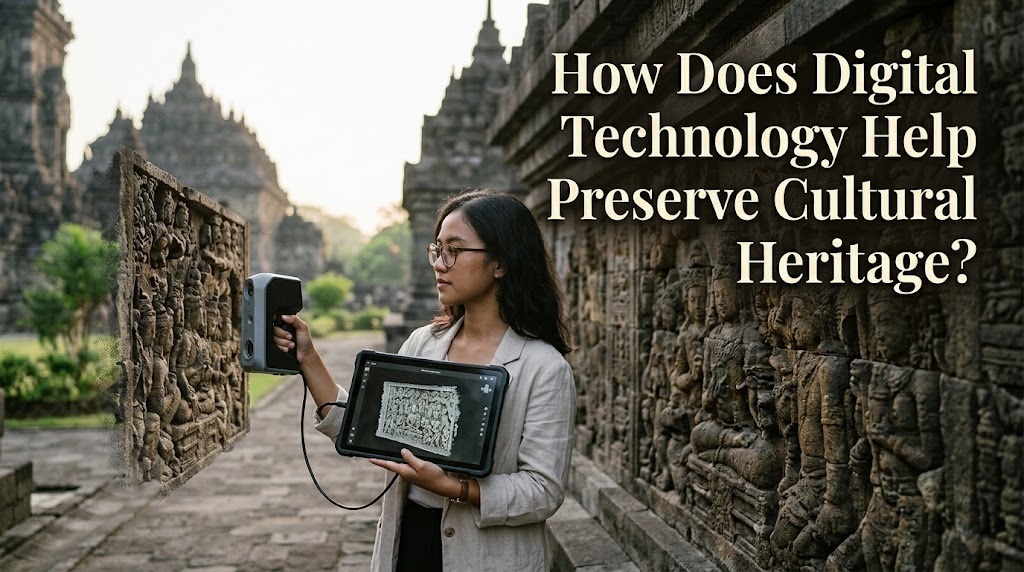
Digital technology plays an important role in preserving cultural heritage in the modern era. It helps protect historical records, traditional arts, local languages, and cultural practices that might otherwise disappear over time. Through digital archives, websites, social media, and virtual museums, people can learn about cultural heritage from almost anywhere in the world. These technologies also make it easier for younger generations to understand and appreciate their cultural identity. By combining technology with community participation, cultural heritage can be documented, shared, and protected for the future.
DIGITIZING HISTORICAL RECORDS AND CULTURAL DOCUMENTS
Digital technology helps preserve historical documents by converting physical materials into digital formats. Old photographs, manuscripts, letters, maps, and historical books can be scanned and stored on computers or secure online platforms. This process reduces the need to handle fragile original materials, helping protect them from physical damage. Digital copies also make historical information easier for researchers, students, and the public to access. With proper storage and regular backups, these records can remain available for future generations.
Digital archives are especially valuable when original documents are damaged by humidity, natural disasters, or aging. Museums, libraries, and universities can organize digital collections so users can search for specific historical information more efficiently. However, digitization alone does not guarantee permanent preservation. Institutions must maintain secure backups, update storage systems, and protect files from unauthorized access or data loss. These efforts help ensure that valuable historical information remains accessible over time.
PRESERVING TRADITIONAL ARTS AND CULTURAL PRACTICES
Traditional dances, music, ceremonies, and handicrafts can be recorded through digital audio and video technology. These recordings document the movements, techniques, sounds, and explanations associated with cultural practices. For example, traditional musicians can record performances, while craftspeople can create instructional videos demonstrating weaving, carving, or pottery techniques. Such materials allow younger generations to learn from experienced practitioners even when direct teaching opportunities are limited. They can also support cultural research and educational programs.
Digital documentation is particularly useful for traditions that depend on oral communication and practical skills. Nevertheless, recordings should not replace participation in real cultural activities. Some ceremonies and traditional knowledge may also have restrictions on who can record, view, or share them. Therefore, cultural communities should be involved in deciding how their heritage is documented and distributed. Respecting these boundaries helps ensure that digital preservation protects cultural values as well as historical information.
USING SOCIAL MEDIA TO PROMOTE CULTURAL HERITAGE
Social media platforms help introduce cultural heritage to wider audiences. People can share videos about traditional clothing, regional food, local festivals, historical buildings, and indigenous crafts. Short educational content can encourage viewers to explore cultural traditions that they might not encounter in everyday life. Social media also allows cultural communities to communicate directly with audiences from different countries. This can increase public interest in cultural diversity and encourage people to participate in preservation activities.
Young people can contribute by creating informative content about their local traditions and historical backgrounds. However, cultural information should be checked carefully before it is published to prevent misinformation. Creators should also give appropriate credit to cultural practitioners and avoid using sacred symbols or traditions in disrespectful ways. When used responsibly, social media can become an effective tool for cultural education and public engagement.
DEVELOPING VIRTUAL MUSEUMS AND DIGITAL EXHIBITIONS
Virtual museums allow people to explore cultural collections through websites, interactive displays, and digital images. Visitors can examine historical objects, paintings, sculptures, and archaeological discoveries without traveling to the physical museum. Some institutions also provide virtual tours that allow users to explore historical buildings and cultural sites through panoramic images or three-dimensional models. These experiences make cultural education more accessible to people who live far away or have limited opportunities to visit museums. They can also support teachers who want to introduce historical subjects in engaging ways.
Three-dimensional scanning and digital modeling can provide detailed records of monuments, sculptures, and archaeological objects. These models help researchers examine objects and document their condition over time. If a cultural object is damaged, earlier digital records may assist specialists in understanding its original appearance. However, virtual displays cannot fully replace the physical experience of visiting cultural sites or examining original artifacts. Their main purpose is to expand access, support research, and complement traditional conservation efforts.
PRESERVING LOCAL LANGUAGES AND ORAL TRADITIONS
Digital technology can help protect local languages that are spoken by increasingly smaller communities. Audio recordings can preserve pronunciation, traditional songs, stories, and conversations with fluent speakers. Digital dictionaries, language-learning applications, and online educational materials can help younger generations learn vocabulary and grammar. Community websites can also provide access to folktales, proverbs, and cultural expressions that might otherwise be forgotten. These resources are particularly useful when younger speakers have fewer opportunities to use their ancestral languages in daily life.
Oral traditions are also important because they communicate historical experiences, community values, and traditional knowledge. Recording elders as they share stories can preserve information that may not exist in written form. However, these recordings should be created with informed consent and respect for cultural ownership. Communities should determine which materials can be shared publicly and which should remain private. Combining digital resources with conversations and teaching within families helps keep local languages active rather than merely archived.
SUPPORTING CULTURAL EDUCATION AND RESEARCH
Digital technology makes cultural heritage easier to study and understand. Students can access online archives, historical maps, digital libraries, and educational videos to learn about different civilizations and traditions. Researchers can compare digital records from different institutions without always traveling to each location. Digital tools can also help organize historical information, identify patterns, and support the study of cultural changes over time. These opportunities encourage more people to participate in cultural research and education.
Schools and universities can integrate digital cultural resources into classroom activities. Teachers may use virtual tours, recorded performances, and interactive timelines to explain historical events and traditional practices. Students can also develop digital projects about their own communities, such as documenting local festivals or interviewing traditional artists. These activities combine technology with direct learning and community engagement. As a result, cultural heritage becomes more relevant to modern education and everyday life.
CHALLENGES OF USING DIGITAL TECHNOLOGY FOR CULTURAL PRESERVATION
Although digital technology offers many benefits, it also creates several challenges. Not all communities have reliable internet access, modern devices, or the technical skills needed to develop digital archives. Digital files can also become inaccessible when storage systems fail or software becomes outdated. In addition, online content may be copied, altered, or shared without permission. These problems show why digital preservation requires careful planning and ongoing investment.
Another important concern is the accuracy and authenticity of digital cultural content. Incorrect descriptions or misleading images can create misunderstandings about historical events and cultural practices. Communities should work with cultural experts to verify information before it is published. Institutions should also maintain backups, update digital systems, and establish clear rules for access and copyright. By addressing these challenges, digital technology can support cultural preservation more safely and effectively.
CONCLUSION
Digital technology helps preserve cultural heritage by documenting historical records, recording traditional practices, promoting cultural awareness, and making educational resources more accessible. Digital archives, social media, virtual museums, and language-learning tools provide new ways to protect and share cultural knowledge. However, technology must be supported by accurate information, reliable storage, and respect for cultural ownership. Direct participation from local communities remains essential because cultural heritage depends on the people who practice and pass on their traditions.
By combining modern technology with traditional knowledge and community involvement, societies can protect their cultural identity while adapting to changing times. These efforts help ensure that valuable traditions, historical records, and local languages remain meaningful for future generations.
Recent Posts

Bagaimana Sistem SKS pada Program Kuliah... 22.11.2026/47 View

How Does Technology Make Daily Evaluation... 21.11.2026/75 View

Apa Strategi Menghadapi Kesenjangan antara Kompetensi... 21.11.2026/77 View

Mengapa Inventaris Aset Penting bagi Kelancaran... 21.11.2026/73 View

When Should Musicians Join a Record... 21.11.2026/77 View
