

How Does Digital Technology Improve Social Volunteer Activities?
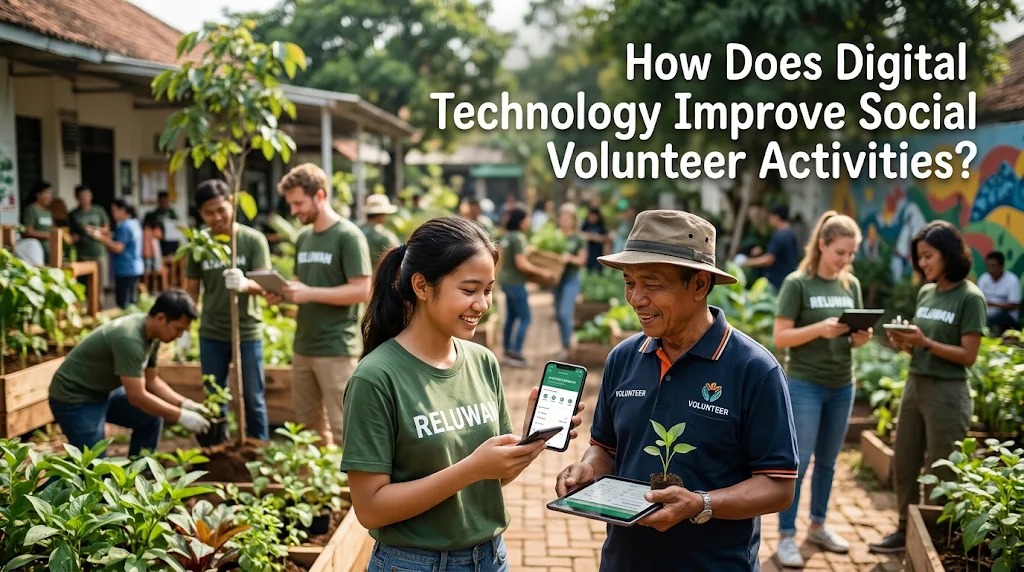
Digital technology has changed the way people communicate, share information, and participate in community activities. It also creates new opportunities for social volunteers to organize programs, reach people in need, and provide assistance more effectively. Tools such as social media, messaging applications, online donation platforms, and digital information systems make volunteer activities easier to manage.
In the past, volunteers often depended on direct meetings and traditional communication to coordinate their work. Today, many activities can be organized through digital platforms, even when team members live in different locations. When used responsibly, digital technology can improve teamwork, increase public participation, and help social organizations deliver assistance more efficiently.
MAKING SOCIAL INFORMATION EASIER TO SHARE
Digital technology allows social organizations to share information with a wider audience in a short time. Social media platforms such as Instagram, Facebook, and TikTok can be used to announce volunteer programs, explain community needs, and promote humanitarian campaigns. Information that once reached only a small group can now become accessible to people in different cities and regions.
Digital platforms also help people discover volunteer opportunities that match their interests and abilities. Organizations can publish registration details, activity schedules, locations, and volunteer requirements online. This makes it easier for interested individuals to understand how they can participate without visiting an organization in person.
However, information must be accurate and easy to understand. Organizations should verify announcements before publishing them and provide clear contact details for people who need further information. This helps prevent confusion and reduces the risk of misleading social campaigns.
IMPROVING COMMUNICATION AND TEAM COORDINATION
Good communication is essential for successful social volunteer activities. Volunteers often have different responsibilities, so they need to exchange information and coordinate their work regularly. Messaging applications, video calls, and digital collaboration platforms allow team members to communicate quickly and share important updates.
For example, a volunteer coordinator can use a group messaging application to distribute tasks, announce schedule changes, and provide instructions. Team members can also send progress reports, share documents, and discuss problems without having to meet physically. This is especially useful when volunteers are working in different locations.
Digital communication can also reduce misunderstandings when responsibilities are clearly explained. Important instructions and activity records can be stored electronically so team members can review them when necessary. As a result, organizations can manage their activities in a more organized and efficient way.
SUPPORTING ONLINE DONATIONS AND FUNDRAISING
One common challenge faced by social organizations is limited funding. Digital technology helps address this problem through online fundraising platforms and electronic payment services. Organizations can introduce their programs, explain the needs of beneficiaries, and invite the public to contribute through digital channels.
Online donations make it possible for people to provide financial support without visiting a fundraising location. Depending on the available services, contributions can be made through bank transfers, digital wallets, or other electronic payment methods. This convenience allows more people to participate, including those who live far from the communities receiving assistance.
Transparency is essential when collecting donations online. Organizations should explain how funds will be used and provide clear reports about the distribution of assistance. They must also use trustworthy payment platforms and protect donor information to maintain public confidence.
IMPROVING BENEFICIARY DATA AND AID DISTRIBUTION
Digital tools can help volunteers collect and manage information about people who need assistance. Online forms, spreadsheets, and information management systems allow organizations to record details about beneficiaries, their locations, and their specific needs. This information can help coordinators understand which communities require immediate attention.
For example, during a natural disaster, volunteers may collect information about affected families, food requirements, medical needs, and temporary shelter conditions. Organized data can help humanitarian teams identify urgent priorities and plan the distribution of supplies. It can also reduce duplicate records and make it easier to monitor which families have already received assistance.
Nevertheless, personal information must be handled carefully. Organizations should collect only necessary data, limit access to authorized team members, and avoid sharing sensitive details without permission. Protecting privacy is an important responsibility when using digital systems for social activities.
DEVELOPING VOLUNTEER SKILLS THROUGH DIGITAL LEARNING
Digital technology provides many opportunities for volunteers to improve their knowledge and abilities. They can attend online training sessions, watch educational videos, read digital learning materials, and participate in virtual seminars. These resources cover topics such as disaster response, public health, communication, leadership, and community development.
Online learning is especially useful for people who have limited time or cannot travel to training locations. Volunteers can access learning materials from different places and study according to their schedules. They can also develop practical digital skills, such as managing social media accounts, creating educational content, and organizing information.
Organizations can use digital platforms to prepare volunteers before activities begin. For example, new members can receive online instructions about safety procedures, task responsibilities, and communication guidelines. Proper preparation helps volunteers understand their roles and contribute more confidently.
EXPANDING VOLUNTEER OPPORTUNITIES AND COMMUNITY PARTICIPATION
Digital technology allows people to participate in social activities without always being physically present. Through virtual volunteering, individuals can contribute their skills using internet-based platforms. Examples include online tutoring, translating educational materials, designing campaign posters, managing social media accounts, and providing information support.
These opportunities are useful for people who have limited mobility, busy schedules, or live far from the communities they want to support. Someone with graphic design skills, for instance, can help a nonprofit organization create campaign materials from home. A person with teaching experience can also support students through online learning sessions.
Digital participation can attract more people to social causes and create opportunities for collaboration across different regions. However, online activities should still be connected to real community needs. Organizations need to ensure that digital contributions are useful, relevant, and properly coordinated with their broader programs.
CONCLUSION
Digital technology improves social volunteer activities by making communication, information sharing, fundraising, data management, and volunteer training more accessible. It also creates new opportunities for people to participate in community programs through online activities. These benefits can help social organizations work more efficiently and reach more people who need assistance.
However, technology should be used responsibly and should not replace human care or direct community involvement. Organizations must pay attention to information accuracy, data privacy, online security, and equal access to digital services. With proper management, digital technology can become a valuable tool for strengthening social volunteer activities and creating positive changes in society.
Recent Posts

Bagaimana Sistem SKS pada Program Kuliah... 22.11.2026/25 View

How Does Technology Make Daily Evaluation... 21.11.2026/64 View

Apa Strategi Menghadapi Kesenjangan antara Kompetensi... 21.11.2026/65 View

Mengapa Inventaris Aset Penting bagi Kelancaran... 21.11.2026/62 View

When Should Musicians Join a Record... 21.11.2026/61 View
