

How Does Digital Transformation Improve the Performance of Regional Government Owned Enterprises?
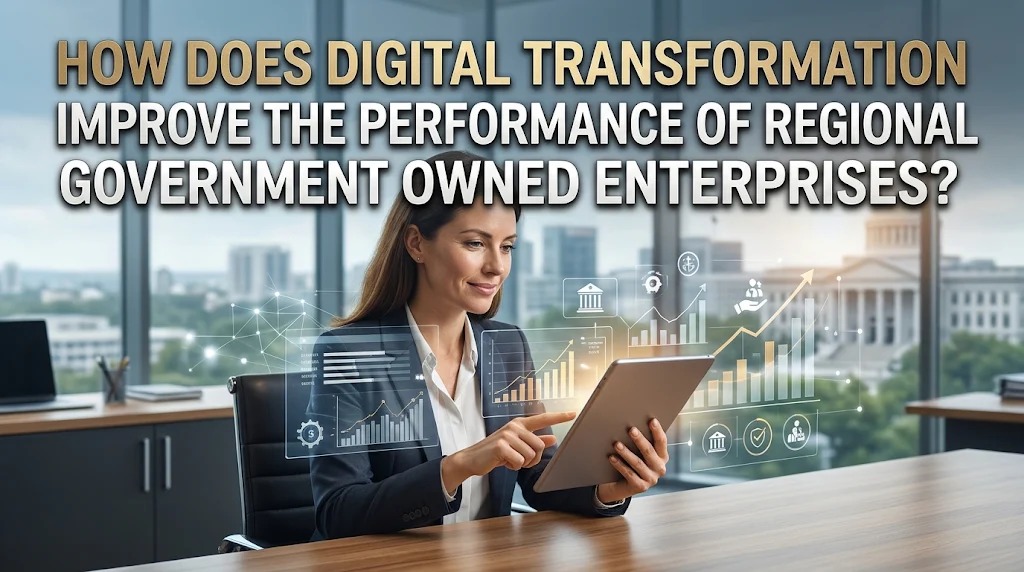
Digital transformation has become an important part of modern business management, including Regional Government-Owned Enterprises, commonly known as BUMD in Indonesia. The use of digital technology helps these enterprises improve operational efficiency, simplify administrative processes, and provide better services to customers. As technology continues to develop, BUMD need to adapt their business systems to remain productive, competitive, and responsive to community needs.
Digital transformation involves more than simply using computers or online applications. It includes improving business processes, managing information digitally, developing online services, and using data to support decision-making. When implemented properly, these changes can help regional enterprises reduce operating costs, increase transparency, and improve their overall performance.
IMPROVING OPERATIONAL EFFICIENCY
One of the main benefits of digital transformation is improved operational efficiency. Regional Government-Owned Enterprises can use digital systems to manage administrative activities, financial records, employee information, and business operations more effectively. Processes that previously required extensive paperwork can be completed through integrated digital platforms. This helps employees save time and reduces the possibility of administrative errors.
Digital technology also makes it easier for management to monitor daily business activities. For example, regional water companies can use digital systems to monitor customer accounts, record water consumption, and manage payment information. Transportation enterprises can use technology to organize schedules, monitor vehicles, and manage passenger information. These improvements allow BUMD to use their resources more efficiently and focus on improving business productivity.
ENHANCING CUSTOMER SERVICE THROUGH DIGITAL PLATFORMS
Digital transformation allows Regional Government-Owned Enterprises to provide more convenient services through websites, mobile applications, and online platforms. Customers can access important information, complete payments, and submit complaints without always visiting company offices. This makes public services more accessible and helps reduce waiting times. Digital platforms also allow enterprises to communicate with customers more quickly.
For example, customers of regional water companies may be able to check their bills and make payments through digital payment services. Regional banks can provide mobile banking facilities that allow customers to transfer money, check account balances, and complete transactions online. These services improve customer convenience and support a more modern service experience. However, enterprises must ensure that their digital platforms are easy to use, secure, and accessible to different groups of society.
STRENGTHENING FINANCIAL MANAGEMENT AND TRANSPARENCY
Digital technology can improve financial management by helping BUMD record, organize, and monitor financial transactions more accurately. Integrated accounting systems make it easier to track income, expenses, investments, and operational costs. Management can access financial information more quickly and use it to evaluate business performance. This reduces dependence on manual records and helps minimize administrative mistakes.
Digital financial systems can also strengthen transparency and accountability. Properly organized transaction records make it easier to conduct internal monitoring and financial audits. Regional governments can use available reports to evaluate enterprise performance and identify areas that require improvement. However, digital systems must be supported by clear procedures, reliable internal controls, and appropriate supervision to ensure accurate financial information.
SUPPORTING DATA-BASED BUSINESS DECISIONS
Another important advantage of digital transformation is the ability to use data for better business decisions. Regional Government-Owned Enterprises can collect and analyze information about customers, market demand, operational activities, and financial performance. This information helps management understand business conditions and identify opportunities for improvement. Decisions based on reliable data can reduce uncertainty and improve business planning.
For example, transportation enterprises can analyze passenger numbers to determine which routes require additional services. Regional tourism companies can study visitor trends to develop more suitable promotional strategies. Water supply companies can use operational data to identify unusual consumption patterns and detect possible distribution problems. By using data effectively, BUMD can respond to changing conditions and manage their resources more strategically.
IMPROVING EMPLOYEE PRODUCTIVITY AND CYBERSECURITY
Digital transformation can also improve employee productivity by introducing systems that simplify daily responsibilities. Digital communication platforms, electronic document management, and automated administrative tools help employees complete tasks more efficiently. Employees can also collaborate more easily because relevant information can be accessed through authorized systems. This creates opportunities for better coordination between departments and management teams.
However, digital development also creates challenges, particularly in cybersecurity and data protection. Regional Government-Owned Enterprises may manage sensitive information involving customers, employees, financial transactions, and business operations. Therefore, they need appropriate security systems, regular software updates, access controls, and employee training. Protecting digital information is essential to maintaining customer trust and ensuring that business operations remain reliable.
CONCLUSION
Digital transformation improves the performance of Regional Government-Owned Enterprises by increasing operational efficiency, enhancing customer services, strengthening financial transparency, and supporting data-based decisions. It also helps employees work more productively while allowing enterprises to respond more effectively to changing community needs.
However, successful digital transformation requires more than purchasing technology. BUMD must also develop employee skills, strengthen cybersecurity, improve internal management, and maintain reliable digital infrastructure. With proper planning and continuous improvement, digital technology can help regional enterprises become more efficient, transparent, competitive, and capable of providing better public services.
Recent Posts

Bagaimana Sistem SKS pada Program Kuliah... 22.11.2026/35 View

How Does Technology Make Daily Evaluation... 21.11.2026/69 View

Apa Strategi Menghadapi Kesenjangan antara Kompetensi... 21.11.2026/70 View

Mengapa Inventaris Aset Penting bagi Kelancaran... 21.11.2026/67 View

When Should Musicians Join a Record... 21.11.2026/69 View
