

How Does Education Help Protect Cultural Heritage?
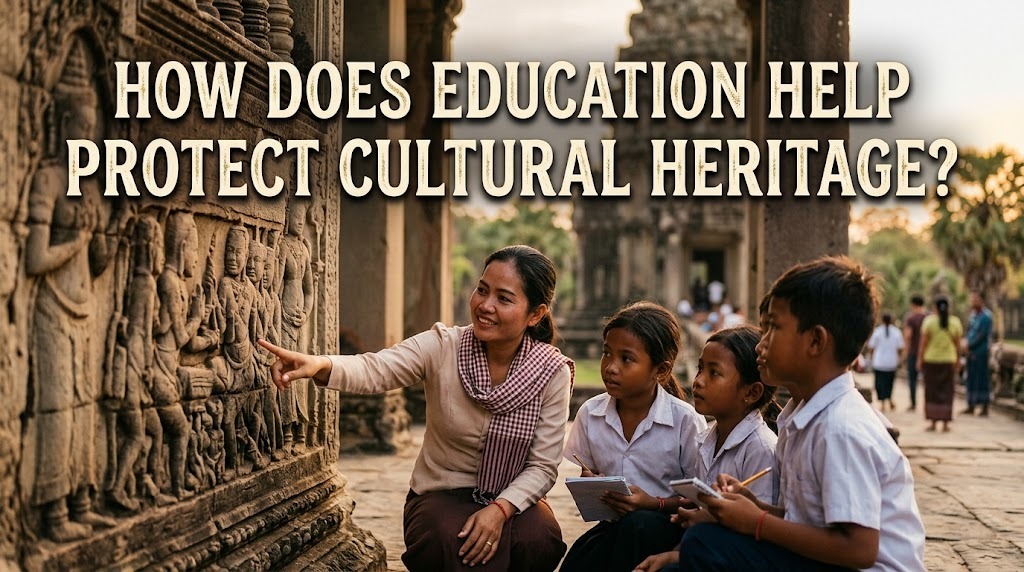
Education plays an important role in protecting cultural heritage by helping people understand, appreciate, and preserve the traditions, values, and history of their communities. Cultural heritage includes traditional dances, local languages, historical buildings, traditional clothing, music, crafts, and customs passed down through generations. Without proper knowledge and awareness, some cultural practices may gradually disappear as society changes. Through education, younger generations can learn about their cultural roots and understand why preserving them matters. Schools, families, and communities can work together to ensure that cultural heritage remains meaningful for the future.
EDUCATION INCREASES AWARENESS OF CULTURAL HERITAGE
Education helps people recognize the importance of cultural heritage in everyday life. By learning about local history, traditional customs, and historical sites, students can understand how culture shapes community identity. This knowledge encourages them to respect traditions and appreciate the experiences of previous generations. Education also helps students understand that cultural heritage is a valuable resource that deserves protection.
Teachers can introduce cultural topics through classroom discussions, reading materials, documentaries, and practical activities. For example, students can learn about traditional ceremonies, regional clothing, and the historical development of their communities. These lessons help make cultural heritage easier to understand and remember. As awareness increases, students are more likely to participate in activities that support cultural preservation.
SCHOOLS HELP PRESERVE TRADITIONS AND LOCAL LANGUAGES
Schools can help preserve cultural heritage by introducing students to traditional arts, regional languages, folk stories, and local customs. These subjects allow students to learn cultural knowledge that may not always be taught at home. Practical activities, such as traditional dance lessons, music performances, and local storytelling, make learning more engaging. They also provide opportunities for students to practice cultural traditions rather than simply read about them.
In Indonesia, schools can introduce regional languages such as Javanese, Sundanese, and Balinese through lessons and cultural activities. Students can also learn traditional dances, batik-making techniques, and regional songs. Inviting local artists or cultural practitioners to teach students can provide valuable firsthand knowledge. By including these activities in education, schools help ensure that important traditions continue to be passed down to younger generations.
EDUCATION DEVELOPS RESPECT FOR CULTURAL DIVERSITY
Education teaches students that different communities have their own histories, beliefs, languages, and traditions. Understanding these differences can reduce prejudice and encourage mutual respect. Students learn that cultural diversity is a strength that enriches society rather than a reason for discrimination. This understanding is especially important in multicultural countries where many cultural groups live together.
Through cultural exchange programs, group projects, and discussions, students can explore traditions beyond their own communities. They can learn about different celebrations, traditional foods, art forms, and ways of life. These experiences encourage curiosity and help students develop a broader perspective. Respect for cultural diversity also supports preservation by encouraging people to protect the heritage of different communities.
EDUCATION ENCOURAGES THE PROTECTION OF HISTORICAL SITES
Historical buildings, monuments, archaeological sites, and museums provide important evidence of the past. Education helps students understand why these places should be protected from damage, neglect, and illegal activities. By learning about their historical significance, students can recognize the value of preserving physical cultural heritage. This knowledge encourages responsible behavior when visiting heritage sites.
Schools can organize educational trips to museums, historical buildings, and archaeological locations. During these visits, students can learn how historical objects are maintained and why conservation requires careful planning. Teachers can also explain the importance of following site rules, avoiding vandalism, and keeping historical areas clean. These experiences help students become more responsible visitors and potential supporters of heritage conservation.
TECHNOLOGY MAKES CULTURAL EDUCATION MORE ACCESSIBLE
Digital technology provides new ways to teach and preserve cultural heritage. Online museums, educational videos, digital archives, and virtual tours allow students to explore cultural resources beyond their local areas. These tools can make historical information easier to access and more interesting for younger audiences. They are particularly useful when students cannot visit cultural sites in person.
Students can also contribute by creating digital presentations, recording traditional stories, and producing videos about local customs. These projects help document cultural knowledge and introduce it to wider audiences. However, information should be checked for accuracy, and permission should be obtained before recording individuals or sharing culturally sensitive material. When used responsibly, technology can support education and help preserve cultural heritage for future generations.
FAMILIES AND COMMUNITIES SUPPORT CULTURAL LEARNING
Cultural education does not happen only in classrooms. Families and local communities also play an important role in teaching traditions, values, and historical knowledge. Parents and grandparents can share family stories, explain traditional ceremonies, and teach children local languages. These experiences help young people develop personal connections with their heritage.
Community leaders, artists, historians, and traditional craftspeople can also contribute to cultural education. They can demonstrate traditional skills, explain the meaning of cultural practices, and guide students in learning from authentic sources. Cooperation between schools and communities makes cultural learning more meaningful because students can connect classroom knowledge with real experiences. This shared responsibility helps ensure that cultural heritage remains part of everyday life.
CONCLUSION
Education helps protect cultural heritage by increasing awareness, preserving traditions, promoting respect for cultural diversity, and encouraging the conservation of historical sites. It also provides opportunities to use technology and share cultural knowledge with wider audiences. Schools, families, and communities all contribute to helping younger generations understand the value of their heritage.
Protecting cultural heritage requires continuous learning and active participation. By studying local history, practicing traditional arts, respecting different cultures, and supporting preservation activities, students can help keep cultural traditions alive. Education therefore serves as an important foundation for protecting cultural identity and passing valuable knowledge to future generations.
Recent Posts

Bagaimana Sistem SKS pada Program Kuliah... 22.11.2026/48 View

How Does Technology Make Daily Evaluation... 21.11.2026/76 View

Apa Strategi Menghadapi Kesenjangan antara Kompetensi... 21.11.2026/78 View

Mengapa Inventaris Aset Penting bagi Kelancaran... 21.11.2026/73 View

When Should Musicians Join a Record... 21.11.2026/78 View
