

How Does Effective Logistics Management Help Businesses Gain a Competitive Advantage?
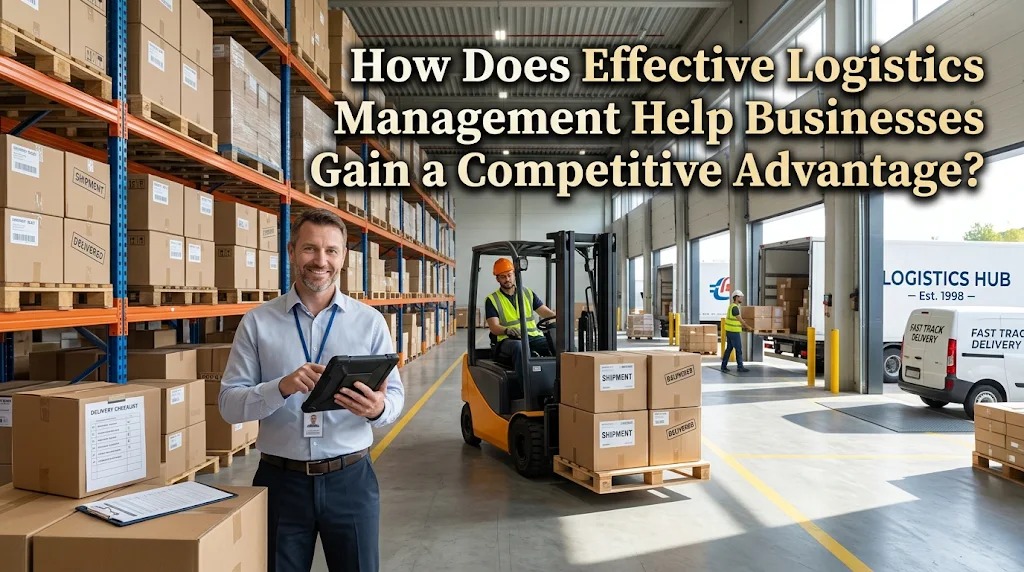
Effective logistics management plays an important role in helping businesses compete successfully in modern markets. Logistics activities involve transportation, inventory management, warehousing, order processing, and product distribution. When these activities are properly organized, companies can deliver products more efficiently, control operational expenses, and maintain consistent service quality. These improvements allow businesses to respond to market demands while creating greater value for customers.
In increasingly competitive business environments, companies must provide more than high-quality products to attract and retain customers. They also need reliable delivery services, reasonable prices, and convenient purchasing experiences. Effective logistics management helps businesses achieve these goals by improving operational performance and strengthening supply chain coordination. By developing efficient logistics strategies, companies can increase customer satisfaction, improve profitability, and establish a stronger position in the market.
REDUCING OPERATIONAL COSTS AND IMPROVING BUSINESS PROFITABILITY
One of the main benefits of effective logistics management is its ability to reduce unnecessary operational expenses. Companies can control transportation costs, warehouse expenses, inventory storage, and product handling through better planning and resource allocation. For example, optimizing delivery routes can reduce fuel consumption and transportation time, while organized warehouse operations can minimize unnecessary labor activities. These improvements allow businesses to use their resources more efficiently.
Furthermore, effective cost management can help companies improve profitability and maintain competitive product prices. Businesses that reduce logistics expenses may have greater flexibility when determining their pricing strategies. However, cost reduction should not negatively affect product quality or delivery reliability. By maintaining a balance between operational efficiency and service quality, companies can strengthen their financial performance and compete more effectively with other businesses.
IMPROVING DELIVERY SPEED AND CUSTOMER SATISFACTION
Delivery reliability is an important factor that influences how customers evaluate a business. Customers generally expect their orders to arrive on time, in proper condition, and according to the promised delivery schedule. Companies with efficient logistics systems can coordinate transportation, warehouse operations, and order processing to minimize delays. Consistent delivery performance helps businesses create positive purchasing experiences and build customer trust.
In addition, companies can improve customer satisfaction by providing flexible delivery options and accurate shipment information. Real-time tracking systems allow customers to monitor their orders and receive updates about estimated arrival times. Businesses should also provide responsive customer support when delivery problems occur. By delivering products reliably and communicating effectively, companies can encourage repeat purchases, strengthen customer loyalty, and develop a positive market reputation.
STRENGTHENING SUPPLY CHAIN COORDINATION AND PRODUCT AVAILABILITY
Effective logistics management helps businesses coordinate activities between suppliers, manufacturers, warehouses, transportation providers, and customers. Strong coordination ensures that materials and finished products move through the supply chain without unnecessary interruptions. Companies can establish clear communication procedures and delivery schedules to improve cooperation between different parties. This coordination reduces misunderstandings and helps maintain smoother business operations.
Moreover, accurate inventory management ensures that products remain available when customers need them. Businesses can monitor stock levels, analyze demand patterns, and plan replenishment schedules to prevent shortages or excessive inventory. Maintaining product availability helps companies avoid missed sales opportunities and respond more effectively to customer demand. A well-coordinated supply chain also allows businesses to adapt more quickly to changing market conditions and maintain reliable distribution activities.
ADOPTING DIGITAL TECHNOLOGY TO INCREASE OPERATIONAL EFFICIENCY
Digital technology provides businesses with valuable tools for improving logistics performance and maintaining a competitive advantage. Companies can use logistics management software to connect inventory records, warehouse activities, transportation schedules, and order processing. These systems provide updated information that helps managers monitor operations and identify potential problems. As a result, businesses can make faster decisions and reduce errors caused by manual processes.
Furthermore, artificial intelligence and data analytics can support demand forecasting, transportation planning, and inventory optimization. AI-powered systems can analyze operational information to recommend efficient delivery routes and identify patterns in customer demand. Automation can also accelerate repetitive warehouse activities and improve order processing accuracy. By adopting appropriate digital solutions, companies can improve productivity, reduce operational inefficiencies, and respond more effectively to business challenges.
BUILDING BUSINESS FLEXIBILITY AND LONG-TERM COMPETITIVENESS
An effective logistics system helps businesses become more flexible when facing unexpected market changes and operational disruptions. Challenges such as supplier shortages, transportation interruptions, changing customer demand, and rising fuel prices can affect distribution performance. Companies with well-planned logistics strategies can prepare alternative suppliers, transportation routes, and inventory arrangements. This flexibility helps businesses maintain operations even when unexpected problems occur.
Additionally, continuous logistics improvement allows companies to identify new opportunities for strengthening their market position. Businesses can evaluate delivery performance, customer feedback, transportation expenses, and warehouse productivity to determine which activities require improvement. They can then adjust their strategies based on operational results and changing market requirements. By combining flexibility, innovation, and reliable logistics services, companies can build sustainable competitive advantages and support long-term business growth.
CONCLUSION
Effective logistics management helps businesses gain a competitive advantage by reducing operational costs, improving delivery reliability, strengthening supply chain coordination, and increasing customer satisfaction. Proper inventory management and digital technology also allow companies to improve productivity and respond more effectively to changing market demands. These benefits help businesses operate more efficiently while providing better services to their customers.
However, achieving strong logistics performance requires continuous planning, evaluation, and improvement. Companies should invest in appropriate technology, maintain reliable supplier relationships, and monitor important operational indicators. By developing an efficient and flexible logistics system, businesses can improve profitability, strengthen customer loyalty, and maintain a competitive position in the modern business environment.
Recent Posts

How Does Technology Make Daily Evaluation... 21.11.2026/62 View

Apa Strategi Menghadapi Kesenjangan antara Kompetensi... 21.11.2026/63 View

Mengapa Inventaris Aset Penting bagi Kelancaran... 21.11.2026/59 View

When Should Musicians Join a Record... 21.11.2026/58 View

Daily Evaluation or Daily Planning Which... 21.11.2026/66 View
