

How Does Globalization Affect Cultural Heritage Preservation?
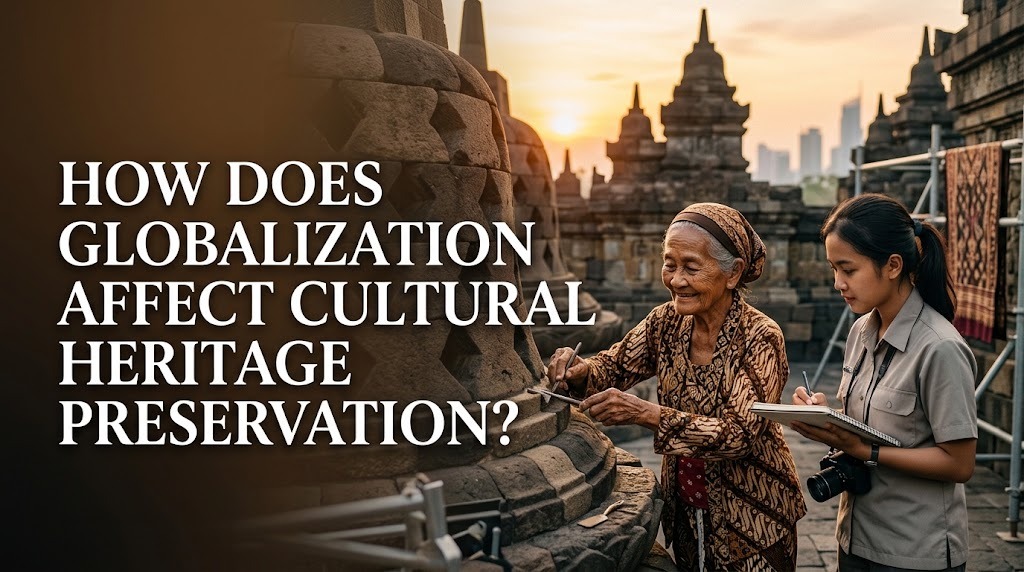
Globalization has a significant impact on cultural heritage preservation around the world. It connects people from different countries through technology, trade, education, tourism, and communication. These connections allow cultural traditions to reach wider audiences, but they can also create challenges for local customs, languages, and traditional knowledge.
Cultural heritage includes historical buildings, traditional clothing, local languages, music, dances, crafts, and customs passed down through generations. Globalization can help protect these cultural elements by increasing international awareness and providing new preservation tools. However, the growing influence of global trends may reduce interest in local traditions if communities do not actively maintain them.
THE POSITIVE IMPACT OF GLOBALIZATION ON CULTURAL HERITAGE
Globalization creates opportunities to introduce cultural heritage to international audiences. Social media, digital platforms, international exhibitions, and cultural festivals allow people to discover traditions from different parts of the world. This exposure can increase appreciation for local cultures and encourage communities to preserve their cultural identity. It can also create opportunities for cultural exchange and cooperation between countries.
For example, Indonesian batik has gained international recognition, helping introduce traditional textile techniques and designs to a wider audience. Digital technology also allows museums and cultural institutions to share historical photographs, documents, and artifacts online. These efforts can increase public awareness and support cultural preservation. When used responsibly, globalization can help cultural heritage remain relevant to younger generations.
THE NEGATIVE IMPACT OF GLOBALIZATION ON LOCAL TRADITIONS
Although globalization creates opportunities, it can also weaken local traditions. International entertainment, fashion, and consumer trends may influence people's lifestyles and preferences, especially among younger generations. As a result, some people may become less interested in traditional clothing, regional languages, folk music, or customary practices. If these traditions are no longer practiced or taught, important cultural knowledge may gradually disappear.
Another challenge is cultural homogenization, which occurs when different societies become more similar in their lifestyles and cultural expressions. Local traditions may receive less attention when global popular culture dominates everyday life. Some cultural practices may also be simplified or commercialized to meet market demand. These changes can reduce the original meaning of traditions if cultural communities are not involved in decisions about how their heritage is presented.
THE ROLE OF DIGITAL TECHNOLOGY IN CULTURAL PRESERVATION
Digital technology plays an important role in protecting cultural heritage in a globalized world. Photographs, audio recordings, videos, and digital archives can document traditional ceremonies, endangered languages, historical sites, and local knowledge. These resources help researchers, students, and communities access cultural information that might otherwise be difficult to preserve. Digital platforms can also connect younger generations with traditions that are less common in their daily lives.
However, digital documentation alone cannot guarantee that cultural heritage will survive. A recorded traditional dance, for example, cannot fully replace the knowledge and skills developed through practicing the dance with experienced performers. Communities must continue teaching and performing their traditions in real-life settings. Digital tools are most effective when they support active cultural practices and respect the rights of the people who own or maintain the knowledge.
GLOBALIZATION AND CULTURAL EXCHANGE
Globalization encourages cultural exchange by allowing people to learn about traditions beyond their own countries. Through travel, education, international collaboration, and online communication, communities can share their artistic techniques, traditional knowledge, and historical experiences. This exchange can promote mutual understanding and reduce cultural prejudice. It can also inspire new creative works that combine different cultural influences.
Nevertheless, cultural exchange should be based on respect and fairness. Traditional designs, performances, and cultural knowledge should not be used without considering their origins or the interests of the communities involved. Cultural appropriation can become a concern when cultural elements are taken out of context or used commercially without proper acknowledgment or consent. Responsible exchange recognizes cultural origins and supports the communities that maintain these traditions.
HOW COMMUNITIES CAN PRESERVE CULTURAL HERITAGE
Communities can protect cultural heritage by teaching traditional knowledge to younger generations and encouraging participation in cultural activities. Families can pass down local languages, stories, recipes, crafts, and customs through everyday practice. Schools can introduce students to regional history and traditional arts through lessons, workshops, and cultural events. These activities help young people understand the value of their heritage while developing respect for other cultures.
Governments and cultural organizations also have important responsibilities. They can protect historical buildings, support traditional artists, document endangered languages, and provide funding for cultural programs. Communities can use social media and digital archives to promote their traditions while maintaining control over how cultural knowledge is shared. Combining traditional practices with modern preservation methods can help cultural heritage adapt to globalization without losing its essential meaning.
CONCLUSION
Globalization affects cultural heritage preservation in both positive and negative ways. It creates opportunities to share traditions internationally, increase cultural awareness, and use digital technology to protect historical knowledge. At the same time, it can weaken local customs, reduce interest in traditional practices, and encourage cultural homogenization.
Preserving cultural heritage requires cooperation between individuals, communities, schools, governments, and cultural organizations. The most effective approach is to embrace useful aspects of globalization while protecting the authenticity and meaning of local traditions. By passing cultural knowledge to future generations and using modern technology responsibly, societies can preserve their unique identities in an increasingly connected world.
Recent Posts

Bagaimana Sistem SKS pada Program Kuliah... 22.11.2026/48 View

How Does Technology Make Daily Evaluation... 21.11.2026/76 View

Apa Strategi Menghadapi Kesenjangan antara Kompetensi... 21.11.2026/78 View

Mengapa Inventaris Aset Penting bagi Kelancaran... 21.11.2026/73 View

When Should Musicians Join a Record... 21.11.2026/78 View
