

How Does Growing Up in a Broken Home Affect a Child's Psychology?
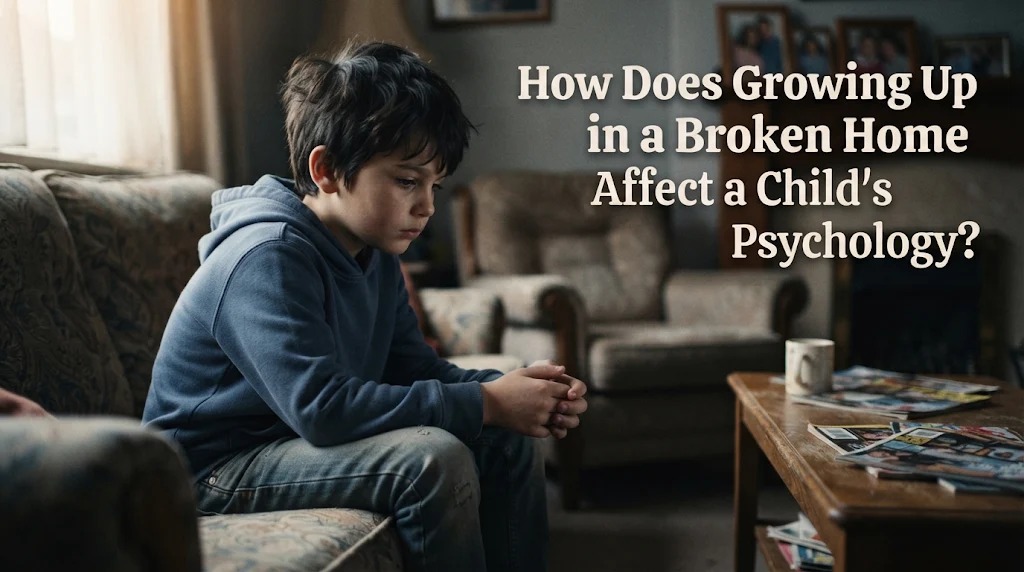
Growing up in a broken home can significantly influence a child's psychological development, emotional stability, and behavior. Family problems such as parental divorce, frequent arguments, separation, or a lack of emotional support can create difficult experiences for children. Since the family is the first environment where children learn about love, trust, and security, an unhealthy family situation may affect how they understand themselves and interact with others.
However, not every child from a broken home experiences the same psychological effects. Some children may struggle with emotional difficulties, while others can develop resilience with proper guidance and support. Understanding these effects is important so parents, caregivers, and teachers can help children maintain good mental health and build a positive future.
EMOTIONAL INSTABILITY AND DIFFICULTY MANAGING FEELINGS
One of the most common psychological effects of growing up in a broken home is emotional instability. Children who experience parental separation or frequent family conflicts may feel sad, confused, angry, or disappointed. These emotions can become difficult to manage, especially when children do not fully understand why their parents are having problems. They may also struggle to express their feelings because they are afraid of being judged or making the situation worse.
In some situations, children may become more sensitive to criticism, easily upset, or withdrawn from their surroundings. They might also experience anxiety when facing situations that remind them of family conflicts. Without appropriate emotional support, these feelings can affect their daily activities, relationships, and learning experiences. Therefore, parents and caregivers should create a safe environment where children feel comfortable expressing their emotions without fear.
LOW SELF-ESTEEM AND FEELINGS OF INSECURITY
Growing up in a broken home can influence how children view themselves. Some children may believe that their parents' separation happened because of something they did wrong. These thoughts can create feelings of guilt, shame, and low self-esteem. They may begin to question their worth and feel that they are not good enough to receive love and attention.
Feelings of insecurity can also affect their confidence when interacting with other people. For example, children may hesitate to make new friends, participate in social activities, or express their opinions. They might constantly seek approval because they are afraid of rejection. Parents should remind children that family problems are not their responsibility and that they deserve love, respect, and attention regardless of their parents' relationship.
TRUST ISSUES AND DIFFICULTIES BUILDING RELATIONSHIPS
Family relationships play an important role in teaching children how to trust others. When children frequently witness arguments, broken promises, or emotional neglect, they may develop difficulties trusting people. They can become afraid that others will eventually leave them or disappoint them. These experiences may influence how they build friendships and relationships as they grow older.
Some children may become overly dependent on others because they fear abandonment. Meanwhile, others may avoid emotional closeness to protect themselves from getting hurt. Both responses can make it difficult to establish healthy relationships. Consistent communication, emotional availability, and positive social experiences can help children gradually develop trust and understand that not every relationship involves conflict or disappointment.
CHANGES IN BEHAVIOR AND SOCIAL DEVELOPMENT
Children who grow up in families with ongoing conflict may show changes in their behavior. Some may become quiet, isolated, and less interested in activities they previously enjoyed. Others may express their emotional difficulties through aggressive behavior, frequent arguments, or disobedience. These reactions can be a way of communicating feelings that they cannot easily explain through words.
Broken home experiences may also influence children's social development. They might have difficulty cooperating with friends, controlling their emotions, or resolving disagreements. In school, some children may become less active in group activities or struggle to maintain friendships. However, these behaviors do not automatically mean that a child has psychological problems. Understanding the reasons behind behavioral changes is essential before deciding what kind of support they need.
EFFECTS ON ACADEMIC PERFORMANCE AND MENTAL HEALTH
An unstable family environment can affect children's concentration, motivation, and academic performance. Children who constantly think about family problems may find it difficult to focus on lessons or complete school assignments. Emotional stress can also interfere with their sleep patterns and daily routines. As a result, their academic performance may decline even when they have the ability to achieve good results.
In addition, prolonged exposure to stressful family situations may increase the risk of anxiety, depressive symptoms, and other emotional difficulties. However, these outcomes are not inevitable, and not every child from a broken home develops a mental health condition. Support from parents, teachers, school counselors, and mental health professionals can help children manage difficult experiences. Early attention to emotional needs is important to prevent problems from becoming more serious.
THE IMPORTANCE OF FAMILY SUPPORT AND A POSITIVE ENVIRONMENT
Although growing up in a broken home can create psychological challenges, children still have opportunities to develop into emotionally healthy individuals. A supportive family environment can make a significant difference in their recovery and development. Parents should avoid involving children in conflicts, asking them to choose sides, or using them as messengers between separated family members. Instead, they should maintain positive communication and provide consistent attention.
Children also need opportunities to share their feelings without feeling embarrassed or blamed. Teachers, relatives, and trusted adults can provide additional emotional support when parents are unable to meet every need. If children experience persistent sadness, anxiety, behavioral changes, or difficulties with daily activities, professional counseling may be helpful. With patience, understanding, and appropriate support, children can develop confidence, emotional resilience, and healthier relationships.
CONCLUSION
Growing up in a broken home can affect a child's psychology in several ways, including emotional instability, low self-esteem, trust issues, behavioral changes, and difficulties with academic performance. These experiences may influence how children understand themselves and build relationships with others. However, growing up in a broken home does not determine a child's entire future. With consistent family support, positive communication, a safe environment, and professional assistance when necessary, children can overcome emotional challenges and develop into confident and resilient individuals.
Recent Posts

How Does Technology Make Daily Evaluation... 21.11.2026/57 View

Apa Strategi Menghadapi Kesenjangan antara Kompetensi... 21.11.2026/59 View

Mengapa Inventaris Aset Penting bagi Kelancaran... 21.11.2026/55 View

When Should Musicians Join a Record... 21.11.2026/54 View

Daily Evaluation or Daily Planning Which... 21.11.2026/61 View
