

How Does Growing Up in a Broken Home Affect Romantic Relationships in Adulthood?
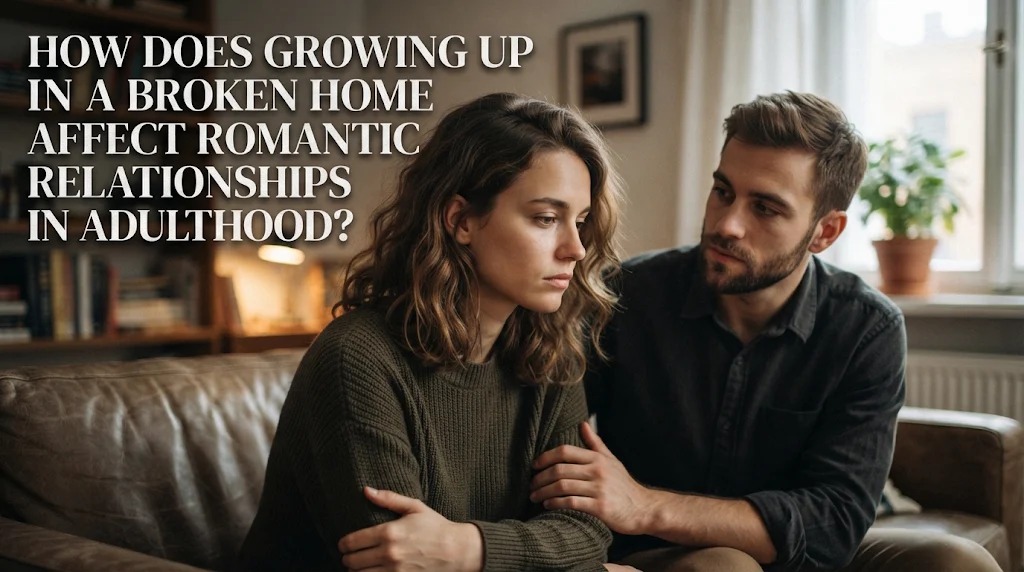
Family experiences during childhood can have a significant influence on how individuals build relationships when they become adults. A family is often the first place where children learn about love, trust, communication, commitment, and emotional support. However, individuals who grow up in a broken home may experience family situations involving parental divorce, constant arguments, emotional neglect, or a lack of parental attention. These experiences can shape their understanding of romantic relationships and influence how they interact with future partners.
Growing up in a broken home does not mean someone will automatically experience unhealthy romantic relationships. However, difficult childhood experiences may create emotional challenges that affect trust, communication, and relationship expectations. Some individuals may become afraid of abandonment, struggle to express their feelings, or find it difficult to maintain emotional closeness. Understanding these possible effects can help adults recognize their relationship patterns and develop healthier connections with their partners.
EXPERIENCING DIFFICULTIES IN BUILDING TRUST
One of the possible effects of growing up in a broken home is difficulty trusting other people. Children who frequently witness parental conflicts, dishonesty, or broken promises may develop negative expectations about relationships. When they become adults, these experiences can influence how they interpret their partner's actions and intentions. They may become suspicious, overly cautious, or afraid that someone they love will eventually disappoint them.
These difficulties do not affect everyone in the same way. Some individuals may find it challenging to believe that their partners are genuinely committed, even when there is no clear reason to doubt them. Others may constantly seek reassurance because they are afraid of being hurt. Building trust requires open communication, consistent behavior, and mutual understanding. With positive relationship experiences and personal growth, individuals can gradually develop a healthier perspective on trust and commitment.
DEVELOPING FEAR OF ABANDONMENT AND REJECTION
Experiences of parental separation or emotional neglect may contribute to a fear of abandonment in some individuals. During childhood, children usually depend on their parents for protection, affection, and emotional security. When these needs are not consistently fulfilled, they may become sensitive to situations that remind them of separation or rejection. As adults, they might worry excessively when their partners become distant, busy, or less communicative.
Fear of abandonment can influence romantic relationships in different ways. Some individuals may become overly dependent on their partners and constantly seek attention or reassurance. Others may avoid emotional closeness because they are afraid of becoming attached and eventually getting hurt. These reactions can create misunderstandings if they are not communicated properly. Recognizing emotional triggers and developing a sense of personal security can help individuals maintain healthier and more balanced relationships.
EXPERIENCING DIFFICULTIES WITH EMOTIONAL COMMUNICATION
A person's childhood family environment can influence how they express emotions and communicate with romantic partners. Individuals who grow up in households where feelings are ignored, arguments are common, or communication is unhealthy may have fewer opportunities to learn effective emotional expression. Consequently, they may struggle to explain their needs, discuss personal problems, or respond calmly during disagreements. Some may choose to remain silent because they fear conflict, while others may react emotionally when they feel misunderstood.
Healthy communication is essential for maintaining a stable romantic relationship. Partners need to express their feelings honestly, listen to each other's concerns, and discuss disagreements respectfully. Adults who recognize difficulties in their communication patterns can gradually improve them through practice and self-awareness. Learning to express emotions without blaming others can also reduce misunderstandings and create stronger emotional connections.
STRUGGLING TO BUILD EMOTIONAL CLOSENESS AND INTIMACY
Growing up in a broken home may influence how individuals experience emotional closeness in adulthood. Some people may find it difficult to become vulnerable because they are afraid that sharing personal feelings will make them appear weak. Others may feel uncomfortable depending on someone emotionally because their childhood experiences taught them to handle problems independently. These patterns can make it challenging to establish a deep and secure connection with a romantic partner.
Emotional intimacy involves feeling safe enough to share thoughts, feelings, personal experiences, and vulnerabilities with another person. Developing this connection requires time, patience, and mutual respect. Individuals who struggle with emotional closeness can begin by communicating gradually and recognizing that healthy relationships do not require constant emotional protection. Having a supportive partner and learning to establish appropriate boundaries can help create a more comfortable relationship environment.
REPEATING UNHEALTHY RELATIONSHIP PATTERNS
Some individuals may unconsciously repeat relationship patterns they observed during childhood. For example, someone who frequently witnessed aggressive arguments between parents may become accustomed to unhealthy conflict as an adult. Others may tolerate disrespectful behavior because they believe that constant disagreement is a normal part of romantic relationships. These patterns can develop when childhood experiences influence a person's understanding of love and acceptable behavior.
However, repeating family patterns is not inevitable. Individuals can learn to recognize unhealthy behaviors and make different choices in their relationships. Establishing boundaries, respecting personal needs, and choosing partners who communicate constructively are important steps toward breaking negative patterns. Professional counseling may also help individuals understand how past experiences influence their current relationships and develop healthier ways of responding to emotional challenges.
BUILDING HEALTHIER ROMANTIC RELATIONSHIPS AFTER A DIFFICULT CHILDHOOD
Although childhood experiences can influence romantic relationships, individuals still have the ability to develop healthy and meaningful connections. One important step is understanding personal emotions, relationship expectations, and behaviors that may be connected to past family experiences. Self-awareness allows individuals to recognize situations that trigger insecurity, fear, or emotional discomfort. Instead of reacting automatically, they can learn to respond more thoughtfully and communicate their needs clearly.
Another important step is choosing a partner who demonstrates respect, honesty, consistency, and emotional maturity. A healthy relationship should provide mutual support rather than constant fear, pressure, or uncertainty. Individuals can also develop emotional independence by maintaining friendships, personal interests, and life goals outside their romantic relationships. When past experiences continue to create serious emotional difficulties, seeking help from a qualified mental health professional can provide useful guidance. With patience and consistent effort, individuals can build relationships based on trust, respect, and mutual understanding.
CONCLUSION
Growing up in a broken home can influence romantic relationships in adulthood through difficulties with trust, fear of abandonment, communication problems, emotional distance, and the possibility of repeating unhealthy relationship patterns. These challenges may develop from childhood experiences involving parental conflict, separation, or a lack of emotional support. However, their effects are different for every individual and do not determine someone's ability to build a healthy relationship.
Understanding the connection between childhood experiences and adult relationships is an important step toward personal growth. Through self-awareness, healthy communication, clear boundaries, and supportive relationships, individuals can overcome negative patterns from the past. A difficult family background does not define someone's future because everyone has the opportunity to develop a loving, respectful, and emotionally healthy romantic relationship.
Recent Posts
Bagaimana Cara Membangun Komunikasi yang Baik... 18.11.2026/45 View

Mengapa Keluarga Cemara Mengajarkan Arti Kebahagiaan... 18.11.2026/49 View
Mengapa Tradisi Keluarga Penting untuk Mempererat... 18.11.2026/48 View
Apa yang Membuat Keluarga Cemara Tetap... 18.11.2026/47 View
Mengapa Silaturahmi Menjadi Bagian Penting dalam... 18.11.2026/48 View
