

How Does Keluarga Cemara Adapt to Life After Losing Their Wealth?
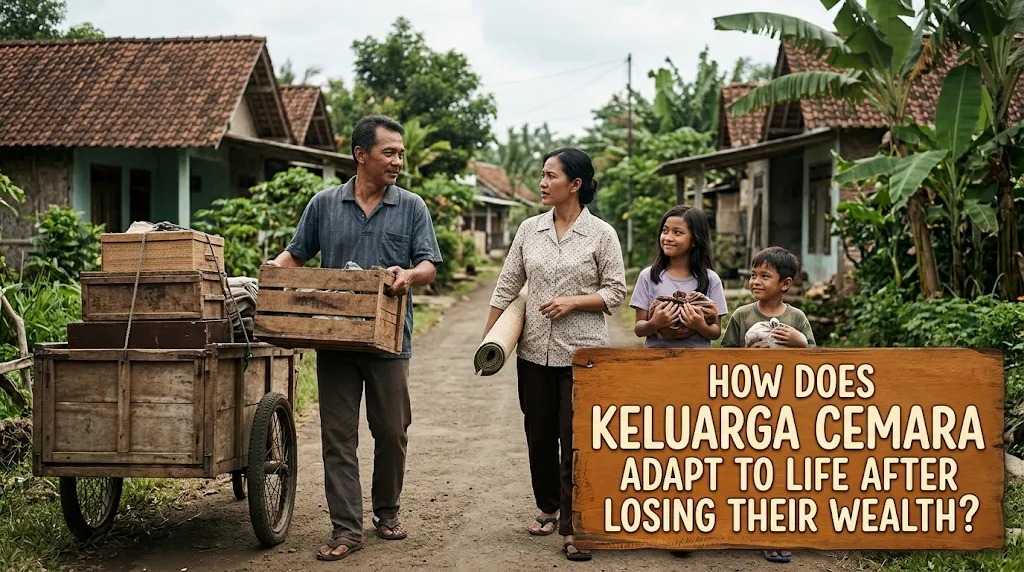
Losing financial stability can bring major changes to a family's daily life. Things that were once easy to afford may become difficult to obtain, familiar routines may need to change, and every family member must learn to adjust to new circumstances. These challenges are reflected in the story of Keluarga Cemara, which follows a family as they face financial difficulties and begin building a different life together.
After losing their wealth, the Cemara family must learn to live more simply and make the best of the resources they have. Abah, Emak, and their children experience various challenges that test their patience, responsibility, and family relationships. Their journey shows that adapting to financial hardship is not only about managing money but also about maintaining hope, supporting one another, and finding happiness in everyday life.
ACCEPTING NEW CIRCUMSTANCES AND LEARNING TO LIVE SIMPLY
One of the first steps the Cemara family takes is accepting that their previous lifestyle can no longer continue. Losing financial security means they must adjust their expectations and become more careful with everyday expenses. Activities and possessions that once seemed ordinary may become difficult to maintain. Instead of allowing these changes to separate them, the family gradually learns to understand their new situation.
Living simply becomes an important part of their adaptation. The family must prioritize basic needs, use available resources wisely, and appreciate what they still have. This change teaches them that a comfortable life does not always depend on expensive possessions or material success. Even ordinary activities can become meaningful when family members enjoy them together.
Their experience also highlights the importance of flexibility when facing unexpected situations. A change in financial circumstances may require people to reconsider their habits and make different decisions. Simple living helps the Cemara family focus on what truly matters while learning to appreciate things that were previously taken for granted.
ABAH AND EMAK WORK TOGETHER TO SUPPORT THE FAMILY
Abah and Emak play important roles in helping their family adjust to financial difficulties. As parents, they must find ways to meet their family's needs while maintaining a sense of security for their children. Their responsibilities become more challenging because they must manage practical problems and provide emotional support at the same time.
Abah faces the responsibility of finding ways to support the family after experiencing a major change in his financial situation. His journey reflects the challenges of maintaining determination when previous sources of income and stability are no longer available. Meanwhile, Emak contributes through her care, patience, and efforts to keep the household functioning. Her presence helps create a supportive atmosphere even when the family faces difficult circumstances.
Their cooperation demonstrates that family responsibilities should not depend on one person's efforts alone. Each parent contributes in different ways according to their abilities and the situation they face. Mutual support between Abah and Emak becomes an important foundation that helps the family remain united while adjusting to their new lifestyle.
CHILDREN LEARN TO UNDERSTAND RESPONSIBILITY AND CHANGE
The financial difficulties experienced by the family also affect the children. They must adjust to changes in their surroundings, daily activities, and expectations. Although these changes may be challenging, they provide opportunities for the children to understand that life does not always go according to plan.
Through their experiences, the children learn to appreciate their parents' efforts and understand the importance of helping one another. They gradually recognize that family happiness is not determined only by material possessions. Spending time together, sharing responsibilities, and maintaining good relationships can be just as meaningful as enjoying financial comfort.
The children's experiences also reflect how family challenges can encourage emotional growth. They learn about patience, empathy, and the importance of supporting people they love. Learning responsibility from everyday experiences helps children understand that adapting to change is a process that requires cooperation and understanding.
MAINTAINING FAMILY HARMONY DURING FINANCIAL HARDSHIP
Financial problems can create tension within a household, especially when family members have different needs and expectations. Limited resources may lead to difficult decisions about spending, education, and daily necessities. In such situations, open communication becomes important because each family member needs to understand the challenges being faced.
Keluarga Cemara shows how togetherness can help a family deal with difficult circumstances. Rather than focusing only on what they have lost, the family continues to build meaningful relationships through everyday interactions. Their willingness to support one another helps create a sense of belonging, even when their living conditions have changed.
Family harmony does not mean that disagreements or problems will never occur. It means that family members are willing to listen, understand different perspectives, and work toward solutions together. Strong family relationships can provide emotional support during uncertain times and help everyone feel that they are not facing difficulties alone.
FINDING HAPPINESS BEYOND MATERIAL WEALTH
One of the central messages of Keluarga Cemara is that happiness cannot be measured only by financial success. Losing wealth may change a family's lifestyle, but it does not automatically remove the love and connection between its members. The story encourages viewers to recognize the value of relationships, gratitude, and shared experiences.
The Cemara family finds meaning in simple moments, such as spending time together, sharing stories, and supporting one another through everyday challenges. These experiences show that happiness can come from emotional closeness rather than expensive possessions. Even when their circumstances are far from ideal, the family can still create positive memories.
This message is relevant to modern family life, where financial achievements are sometimes treated as the main measure of success. Keluarga Cemara reminds viewers that money is important for meeting basic needs, but it is not the only foundation of a meaningful life. Love, gratitude, and togetherness remain valuable qualities that help families maintain happiness during difficult periods.
CONCLUSION
Keluarga Cemara adapts to life after losing their wealth by accepting their new circumstances, learning to live simply, sharing responsibilities, and maintaining strong family relationships. Abah and Emak work together to support their children, while the children gradually learn about responsibility, patience, and empathy. Their experiences show that financial hardship can bring challenges, but it can also encourage family members to understand one another more deeply.
The story delivers an important lesson about the meaning of happiness and family strength. Material wealth may influence comfort and opportunities, but meaningful relationships can provide support when life becomes difficult. Keluarga Cemara teaches that adapting to change becomes easier when family members face challenges together and continue to value love, gratitude, and togetherness.
Recent Posts

How Does Technology Make Daily Evaluation... 21.11.2026/57 View

Apa Strategi Menghadapi Kesenjangan antara Kompetensi... 21.11.2026/59 View

Mengapa Inventaris Aset Penting bagi Kelancaran... 21.11.2026/55 View

When Should Musicians Join a Record... 21.11.2026/54 View

Daily Evaluation or Daily Planning Which... 21.11.2026/61 View
