

How Does Keluarga Cemara Portray the Relationship Between Parents and Children?
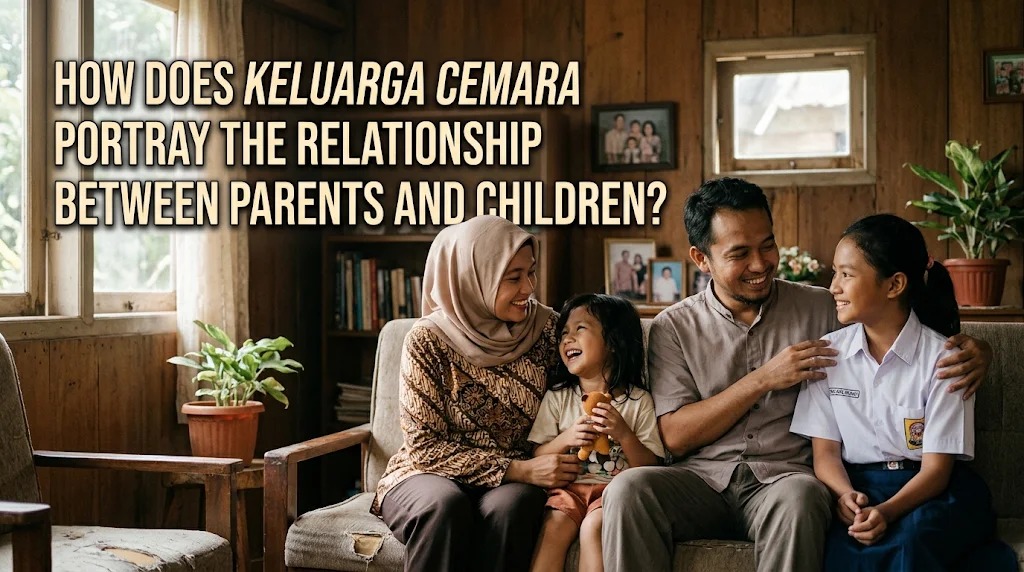
The relationship between parents and children plays an important role in shaping a family's atmosphere and values. Parents provide guidance, protection, and support, while children bring their own thoughts, emotions, and experiences into family life. Building a healthy relationship requires communication, patience, and mutual understanding, especially when families face unexpected changes.
Keluarga Cemara portrays these relationships through the interactions between Abah, Emak, and their children. Their experiences show that family relationships are not always free from disagreements or difficulties. However, love and cooperation can help family members understand one another and remain connected. The story presents the parent-child relationship as a bond built through affection, guidance, trust, and shared experiences.
ABAH AND EMAK AS PARENTS WHO PROVIDE LOVE AND GUIDANCE
Abah and Emak have important roles in supporting their children's development. They try to provide direction and help their children understand the values that matter in everyday life. Their responsibilities involve more than meeting material needs because they also need to create an environment where their children feel loved and protected.
Abah represents a father who tries to remain responsible even when the family experiences difficult circumstances. He wants his children to understand the importance of honesty, responsibility, and perseverance. Meanwhile, Emak contributes through her care, patience, and emotional support. Their different roles show how parents can work together to provide a stable family environment.
Their relationship with the children also demonstrates that parental guidance does not always need to involve strict instructions. Parents can teach important lessons through daily conversations, personal examples, and the way they respond to problems. Parental love becomes meaningful when it is accompanied by attention, guidance, and a willingness to understand children's needs.
COMMUNICATION THAT BUILDS TRUST BETWEEN PARENTS AND CHILDREN
Communication is one of the most important elements of the parent-child relationship in Keluarga Cemara. Children need opportunities to express their thoughts, feelings, and concerns, while parents need to listen and respond with understanding. This process helps family members recognize one another's perspectives.
In everyday life, children may have different opinions from their parents about school, friendships, activities, or personal decisions. These differences can sometimes lead to misunderstandings. However, open conversations allow parents and children to explain their reasons and find ways to understand each other.
Parents also need to communicate family circumstances in a way that children can understand. When a household faces financial difficulties or changes in its routine, children may have questions and worries. Honest explanations can help them feel included rather than confused by situations they do not fully understand. Healthy communication builds trust and makes children feel that their voices matter within the family.
TEACHING CHILDREN RESPONSIBILITY THROUGH DAILY EXPERIENCES
Keluarga Cemara also illustrates how parents can teach responsibility through everyday experiences. Children gradually learn that living in a family involves more than receiving care and support. They also need to respect others, understand household rules, and contribute according to their abilities.
When a family experiences financial changes, children may need to adjust their expectations and become more aware of daily needs. These situations can provide opportunities to learn about gratitude, patience, and the difference between needs and wants. Parents can guide children through these experiences without making them feel that family difficulties are their personal burden.
Responsibility can also be developed through simple activities, such as keeping personal belongings organized, helping with appropriate household tasks, and completing school assignments. These habits encourage independence while teaching children to appreciate the efforts of other family members. Everyday responsibilities help children develop discipline and understand the importance of contributing to family life.
FACING DISAGREEMENTS WITH PATIENCE AND UNDERSTANDING
No family has exactly the same opinions or expectations at all times. Parents and children may disagree because they have different experiences, priorities, and ways of understanding a situation. Keluarga Cemara reflects this natural part of family life by showing that relationships can involve challenges as well as affection.
Parents may sometimes make decisions that children do not immediately understand. Meanwhile, children may express their disappointment or frustration when their wishes cannot be fulfilled. In these situations, patience is important for both sides. Parents need to consider their children's feelings, while children gradually learn to understand the reasons behind family decisions.
Disagreements can become opportunities for learning when family members respond respectfully. Instead of focusing on who is right, they can discuss the problem and consider possible solutions. Mutual understanding helps prevent disagreements from weakening family relationships and encourages everyone to respect different perspectives.
STRENGTHENING FAMILY BONDS THROUGH SHARED EXPERIENCES
Shared experiences help create strong emotional connections between parents and children. Spending time together allows family members to learn about one another beyond their daily responsibilities. Simple moments can become meaningful memories that strengthen the feeling of belonging within a household.
In Keluarga Cemara, the family's experiences show that togetherness remains important even when their circumstances change. Activities such as sharing meals, talking about daily events, helping one another, and facing difficulties as a family can create a supportive atmosphere. These moments remind children that they are part of a family that cares about their well-being.
Parents can also strengthen family bonds by showing interest in their children's activities and achievements. Listening to their stories, appreciating their efforts, and offering encouragement can make children feel valued. Quality time and shared experiences help build lasting connections that support healthy relationships as children grow.
CONCLUSION
Keluarga Cemara portrays the relationship between parents and children through love, guidance, communication, responsibility, and mutual understanding. Abah and Emak try to support their children while teaching important values through everyday experiences. Their family life also shows that disagreements and difficulties are natural parts of relationships, but they can be managed through patience and cooperation.
The story reminds viewers that a healthy parent-child relationship requires effort from everyone. Parents need to listen, guide, and provide emotional support, while children can learn to communicate respectfully and take responsibility. Strong family relationships are built not by avoiding every disagreement, but by maintaining love, trust, and understanding through different stages of life.
Recent Posts

How Does Technology Make Daily Evaluation... 21.11.2026/57 View

Apa Strategi Menghadapi Kesenjangan antara Kompetensi... 21.11.2026/59 View

Mengapa Inventaris Aset Penting bagi Kelancaran... 21.11.2026/55 View

When Should Musicians Join a Record... 21.11.2026/54 View

Daily Evaluation or Daily Planning Which... 21.11.2026/61 View
