

How Does Keluarga Cemara Teach Children About Honesty and Responsibility?
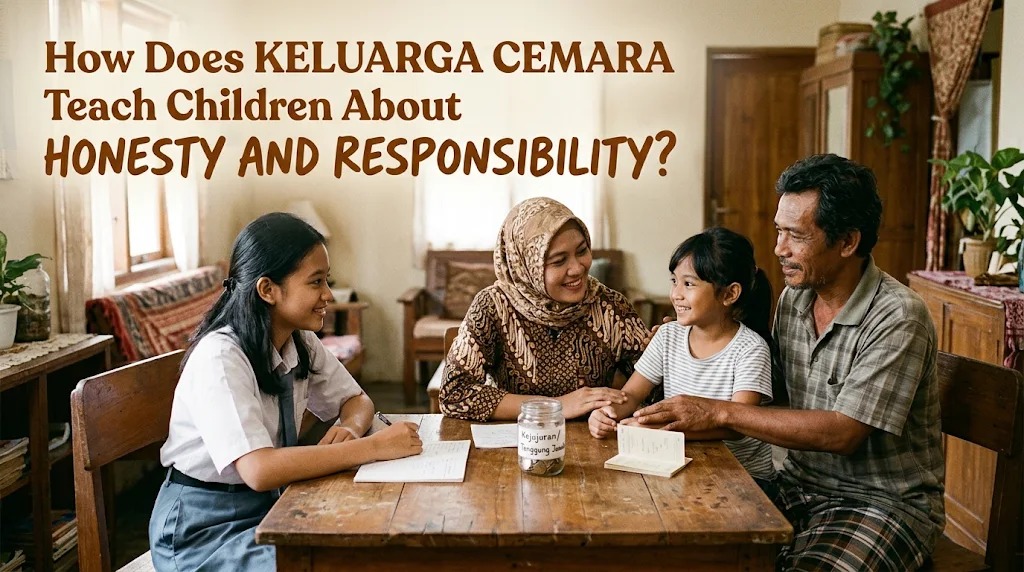
Honesty and responsibility are important values that help children develop good character and build healthy relationships with others. These qualities influence how children communicate, make decisions, and respond to the consequences of their actions. Parents play an essential role in introducing these values through everyday conversations, guidance, and personal examples.
Keluarga Cemara presents these lessons through the experiences of Abah, Emak, and their children. As the family faces different challenges, the children have opportunities to understand the importance of telling the truth, keeping promises, and contributing to family life. The story shows that honesty and responsibility are developed through daily experiences, parental guidance, and the willingness to learn from mistakes.
PARENTS BECOME EXAMPLES OF HONEST BEHAVIOR
One way children learn honesty in Keluarga Cemara is through the examples provided by their parents. Abah and Emak have important responsibilities in guiding their children and showing them how to behave in everyday situations. Their actions can teach lessons that are sometimes more meaningful than verbal instructions.
Children often observe how adults respond to problems, communicate with others, and make decisions. When parents demonstrate honesty, keep their promises, and admit their mistakes, children can understand that telling the truth is an important part of building trust. These examples also help children recognize that honesty should be practiced even when the situation is uncomfortable.
Parents also need to create an environment where children feel safe admitting their mistakes. If children are always afraid of being judged, they may become reluctant to communicate openly. A supportive family environment encourages children to be honest because they learn that mistakes can be discussed and corrected.
LEARNING TO TAKE RESPONSIBILITY FOR PERSONAL ACTIONS
Responsibility is another important lesson reflected in the family's experiences. Children gradually need to understand that their decisions and actions have consequences. This understanding helps them become more independent and aware of how their behavior affects other people.
In everyday family life, responsibility can be practiced through simple activities. Children can learn to organize their belongings, complete school assignments, follow reasonable household rules, and fulfill commitments. These activities teach them to manage their duties without depending entirely on their parents.
Financial difficulties can also provide opportunities for children to understand family responsibilities in an age-appropriate way. They may learn to appreciate household resources, avoid unnecessary demands, and recognize the efforts made by their parents. However, children should not be expected to carry adult financial burdens. Responsibility means contributing according to one's abilities while understanding personal duties and limitations.
UNDERSTANDING THE IMPORTANCE OF KEEPING PROMISES
Keeping promises is closely connected to honesty and responsibility. When someone makes a promise, other people may develop expectations based on that commitment. Children need to understand that promises should be made thoughtfully and fulfilled whenever possible.
Parents can teach this value through ordinary situations, such as agreeing on family activities, completing assigned tasks, or following established schedules. When children consistently fulfill reasonable commitments, they learn that their words should match their actions. This habit can help them develop trustworthiness in relationships with family members, friends, and teachers.
Children should also learn how to respond when they cannot fulfill a promise. Instead of hiding the situation, they can communicate honestly, explain the reason, and discuss possible alternatives. Keeping promises and communicating honestly when circumstances change help children develop a strong sense of accountability.
DEVELOPING GRATITUDE AND RESPECT FOR OTHERS
Honesty and responsibility are closely related to other positive values, including gratitude and respect. In Keluarga Cemara, changes in the family's circumstances provide opportunities to understand the importance of appreciating what they have. Children can learn that their family's efforts deserve recognition, even when material resources are limited.
Gratitude can be practiced through simple actions, such as saying thank you, taking care of belongings, and showing appreciation for the help received from others. These habits encourage children to recognize the contributions of family members. They also help create an atmosphere in which people feel respected and valued.
Respect is equally important when interacting with others. Children can learn to listen when someone is speaking, consider different opinions, and avoid treating others unfairly. Gratitude and respect help children understand that responsible behavior includes caring about the feelings and needs of other people.
LEARNING FROM MISTAKES THROUGH FAMILY GUIDANCE
No child learns every value perfectly from the beginning. Mistakes are a natural part of growing up, and they can become valuable learning opportunities when parents respond appropriately. Keluarga Cemara reflects the importance of family guidance in helping children understand situations and improve their behavior.
When children make mistakes, parents can encourage them to explain what happened and consider the consequences of their actions. Rather than focusing only on punishment, guidance can help children understand why a particular behavior was inappropriate and what they can do differently next time. This approach supports learning while maintaining communication and trust.
Children can also be encouraged to take practical steps to correct their mistakes. For example, they may apologize when they hurt someone's feelings, replace something they damaged when appropriate, or complete a responsibility they previously neglected. Learning from mistakes helps children develop honesty, accountability, and the confidence to make better decisions in the future.
CONCLUSION
Keluarga Cemara teaches children about honesty and responsibility through parental examples, everyday duties, the importance of keeping promises, gratitude, and guidance when mistakes occur. These values help children understand how their actions affect themselves and the people around them. The family's experiences also show that character development happens gradually through consistent practice.
The story reminds parents that teaching good values requires more than giving instructions. Children also need opportunities to practice positive behavior and receive guidance in a supportive environment. By combining honest communication, clear responsibilities, and positive examples, families can help children grow into individuals who are trustworthy, respectful, and accountable.
Recent Posts

How Does Technology Make Daily Evaluation... 21.11.2026/57 View

Apa Strategi Menghadapi Kesenjangan antara Kompetensi... 21.11.2026/59 View

Mengapa Inventaris Aset Penting bagi Kelancaran... 21.11.2026/55 View

When Should Musicians Join a Record... 21.11.2026/54 View

Daily Evaluation or Daily Planning Which... 21.11.2026/61 View
