

How Does Laboratory Testing Help Doctors Diagnose Diseases?
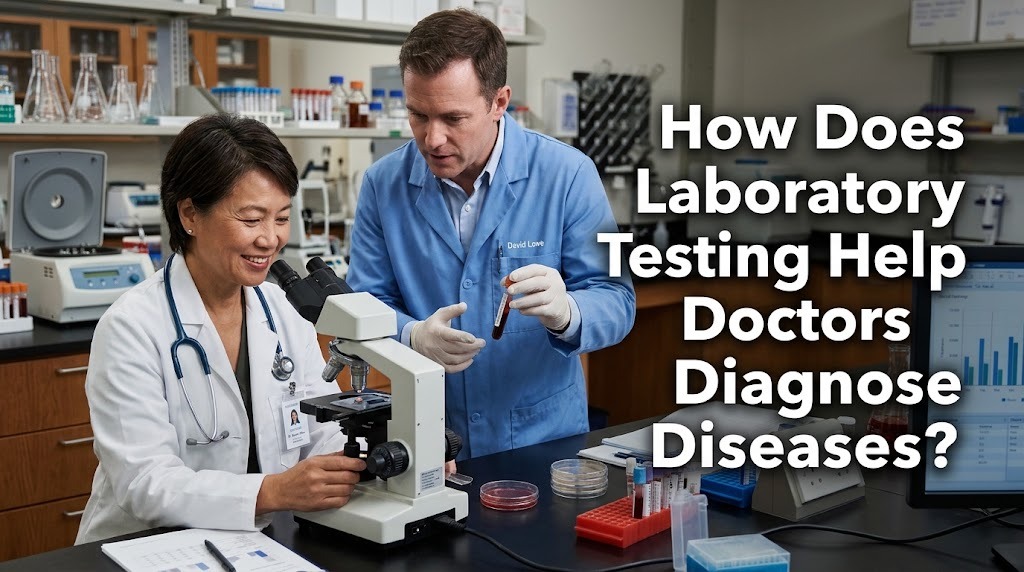
Laboratory testing plays an important role in helping doctors identify diseases and understand a patient's health condition. Many illnesses cause symptoms that are similar to one another, making it difficult to determine the exact cause through physical examinations alone. Laboratory tests provide scientific information by examining samples such as blood, urine, stool, and other body fluids. These examinations help doctors identify abnormalities, detect infections, and evaluate how different organs function.
In modern healthcare, laboratory testing is an essential part of the diagnostic process. The results provide additional evidence that doctors can use to confirm suspected diseases, determine whether further examinations are necessary, and select appropriate treatments. By combining laboratory results with medical history and physical examinations, healthcare professionals can make more accurate decisions and provide better patient care.
IDENTIFYING THE CAUSES OF DISEASES
One of the main ways laboratory testing helps doctors diagnose diseases is by identifying their possible causes. Different health conditions can produce similar symptoms, such as fever, fatigue, headaches, and body pain. Laboratory examinations help doctors investigate whether these symptoms are caused by infections, inflammation, hormonal problems, or other medical conditions. For example, blood tests can reveal changes in white blood cell levels that may indicate an infection or another health problem. These findings provide useful evidence for determining the next diagnostic steps.
Laboratory testing can also identify specific microorganisms responsible for certain infectious diseases. Specialized examinations can detect bacteria, viruses, fungi, and parasites in patient samples. For instance, a throat swab may be examined to identify bacteria that cause certain throat infections, while molecular tests can detect genetic material from particular viruses. Identifying the cause of an illness helps doctors avoid relying only on symptoms when making a diagnosis. This information also supports decisions about the most appropriate treatment.
DETECTING ABNORMALITIES IN BLOOD TESTS
Blood tests are among the most frequently used laboratory examinations in medical diagnosis. Blood contains different components that provide information about the body's overall condition. A complete blood count, commonly known as a CBC, measures red blood cells, white blood cells, and platelets. Abnormal levels may provide clues about anemia, infections, blood disorders, and other health conditions. Doctors interpret these findings alongside symptoms and other medical information to determine whether additional examinations are needed.
Blood tests can also measure substances such as glucose, cholesterol, electrolytes, and certain proteins. These measurements help doctors evaluate metabolic health and identify possible problems affecting different organs. For example, elevated blood glucose levels may indicate diabetes, while abnormal cholesterol levels can suggest an increased risk of cardiovascular disease. However, a single abnormal result does not always confirm a specific illness. Doctors may recommend repeat testing or additional examinations to establish a more reliable diagnosis.
EVALUATING ORGAN FUNCTION
Laboratory testing helps doctors understand how well important organs function. Certain blood and urine examinations measure substances that can indicate whether organs are working properly. Kidney function, for example, can be evaluated through blood creatinine levels and estimated glomerular filtration rate, or eGFR. Urine tests can also detect protein, blood, and other abnormalities that may indicate kidney problems. These examinations help doctors recognize possible kidney disorders and determine whether further evaluation is necessary.
Liver function can also be assessed through laboratory tests that measure enzymes and other substances, including ALT, AST, bilirubin, and albumin. Abnormal results may provide clues about liver inflammation, damage, or other conditions affecting the organ. In addition, thyroid function tests measure hormones such as TSH and free T4 to investigate possible thyroid disorders. These examinations provide important information that may not be visible through physical examinations alone. By evaluating laboratory findings, doctors can identify organ-related problems and recommend appropriate follow-up care.
CONFIRMING SUSPECTED INFECTIOUS DISEASES
Infectious diseases can cause symptoms that are difficult to distinguish without specialized examinations. Laboratory testing helps doctors determine whether an illness is caused by bacteria, viruses, fungi, or parasites. Different testing methods are selected depending on the suspected infection and the type of sample required. For example, blood cultures can help identify bacteria or fungi circulating in the bloodstream. Respiratory samples may also be examined to investigate infections affecting the lungs and airways.
Molecular tests, including polymerase chain reaction or PCR, can detect genetic material from specific microorganisms. Antigen tests identify particular substances produced by pathogens, while antibody tests detect immune responses to infections. Each method provides different information and has its own limitations. Doctors select appropriate tests based on symptoms, medical history, and the suspected disease. Confirming an infection through laboratory testing helps healthcare professionals determine suitable treatment and reduce the risk of complications.
SUPPORTING EARLY DISEASE DETECTION
Early disease detection is important because many medical conditions can become more difficult to manage when discovered at an advanced stage. Laboratory testing allows doctors to identify certain health abnormalities before noticeable symptoms appear. For example, routine blood glucose testing can help identify people with prediabetes or diabetes. Cholesterol examinations can reveal risk factors associated with cardiovascular disease. These tests provide opportunities for early medical intervention and preventive care.
Screening tests are also used to identify people who may have an increased risk of particular diseases. Examples include cervical cancer screening through HPV testing and certain laboratory-based examinations for colorectal cancer. However, screening results do not always establish a final diagnosis. An abnormal screening result may require additional diagnostic examinations to determine whether a disease is actually present. Through appropriate screening and follow-up testing, doctors can identify potential health problems earlier and improve opportunities for effective treatment.
HELPING DOCTORS CHOOSE APPROPRIATE TREATMENTS
Laboratory testing does not only help identify diseases but also provides information that guides treatment decisions. Different diseases may require different medications, treatment methods, and levels of medical supervision. Laboratory results help doctors understand the nature and severity of certain conditions before recommending a treatment plan. For example, blood glucose measurements can help guide diabetes management, while kidney function tests may influence medication choices and dosages. This information helps doctors provide treatment that considers the patient's individual health condition.
Some laboratory examinations also determine which medicines are likely to work against specific infections. Antimicrobial susceptibility testing, for example, examines how bacteria respond to different antibiotics. The results help doctors select medicines that are more likely to be effective. This is particularly important when treating infections caused by antibiotic-resistant bacteria. By using laboratory evidence, doctors can make more informed treatment decisions and reduce unnecessary medication use.
MONITORING DISEASE PROGRESSION
Laboratory testing helps doctors monitor changes in a patient's health over time. Some diseases require regular examinations to determine whether a condition is improving, remaining stable, or becoming more serious. For example, people with diabetes may need periodic blood glucose and HbA1c tests to evaluate their blood sugar control. Patients with kidney disorders may require repeated creatinine and eGFR measurements to monitor kidney function. Comparing results from different examinations helps doctors understand how a condition develops.
Regular laboratory monitoring is also important for evaluating the effectiveness of medical treatment. If test results improve after treatment, this may indicate that the patient is responding positively. On the other hand, worsening results may suggest that the treatment plan needs to be reviewed. Doctors may adjust medications, recommend additional examinations, or investigate other possible causes of the changes. This continuous evaluation helps ensure that patients receive appropriate care throughout their treatment.
PROVIDING INFORMATION FOR CANCER DIAGNOSIS
Laboratory testing can support cancer diagnosis by identifying abnormal cells, examining tissue samples, and detecting certain biological substances associated with cancer. One of the most important methods is a biopsy, in which a tissue sample is collected and examined by a pathologist. The examination can reveal whether cancer cells are present and provide information about the type of cancer. This information is essential for confirming many cancer diagnoses and planning further treatment.
Certain blood tests can also provide additional information during cancer investigations. Tumor markers, such as PSA for prostate-related conditions and CA-125 in some ovarian cancer evaluations, may help doctors assess specific medical situations. However, tumor markers alone cannot reliably confirm or exclude cancer because they may also be abnormal in noncancerous conditions. Other examinations, including imaging and tissue analysis, are often needed to establish a diagnosis. Combining different diagnostic methods helps doctors understand the disease more accurately.
SUPPORTING PERSONALIZED MEDICAL CARE
Every patient has different health conditions, medical histories, and responses to treatment. Laboratory testing helps doctors consider these differences when developing an appropriate medical care plan. Certain examinations provide information about genetic characteristics, hormone levels, immune responses, and other biological factors. This information can help healthcare professionals understand why some patients respond differently to particular treatments. It also supports the development of more individualized healthcare strategies.
For example, pharmacogenetic testing examines how genetic variations may influence a person's response to certain medications. In specific situations, this information can help doctors choose suitable medicines or adjust treatment approaches. Other specialized laboratory examinations can help identify biomarkers associated with particular diseases. However, personalized treatment decisions still require consideration of clinical symptoms, medical history, and other diagnostic findings. By combining laboratory information with professional medical judgment, doctors can provide more appropriate and patient-centered care.
CONCLUSION
Laboratory testing helps doctors diagnose diseases by providing scientific information about the condition of the human body. Through blood tests, urine examinations, microbiological testing, molecular diagnostics, and other laboratory methods, healthcare professionals can identify infections, detect abnormalities, evaluate organ function, and investigate suspected illnesses.
In addition to supporting accurate diagnosis, laboratory examinations help doctors detect diseases early, select appropriate treatments, and monitor patient progress. However, laboratory results should not be interpreted separately from symptoms, medical history, physical examinations, and other diagnostic findings. When used correctly, laboratory testing becomes an essential tool for improving diagnostic accuracy, supporting effective treatment, and maintaining better health.
Recent Posts

Bagaimana Sistem SKS pada Program Kuliah... 22.11.2026/47 View

How Does Technology Make Daily Evaluation... 21.11.2026/74 View

Apa Strategi Menghadapi Kesenjangan antara Kompetensi... 21.11.2026/75 View

Mengapa Inventaris Aset Penting bagi Kelancaran... 21.11.2026/72 View

When Should Musicians Join a Record... 21.11.2026/75 View
