

How Does Laboratory Testing Help Monitor Treatment Progress?
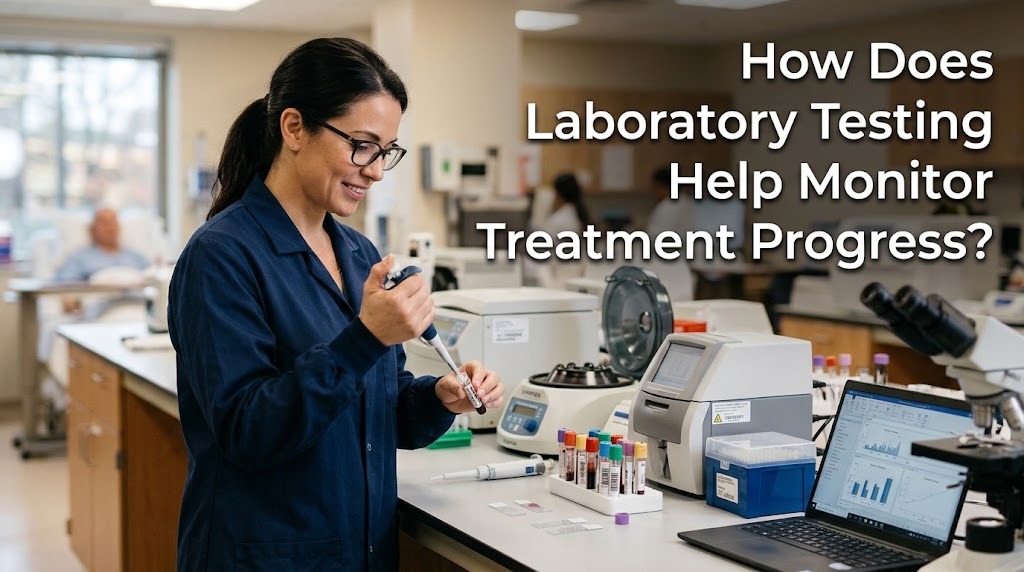
Laboratory testing plays an important role in monitoring treatment progress and helping healthcare professionals understand how a patient's body responds to medical care. When someone receives treatment for an illness, doctors need more than a patient's description of symptoms to evaluate whether the treatment is working. Laboratory tests provide measurable information about changes inside the body, allowing medical professionals to assess health conditions more objectively.
During treatment, the body may experience changes that are not always visible or immediately noticeable. Some patients may feel better even though certain health indicators remain abnormal. In other situations, symptoms may continue temporarily even when the treatment is beginning to work. Laboratory testing helps doctors identify these changes and compare current results with previous measurements.
By examining blood, urine, and other biological samples, healthcare professionals can evaluate specific indicators related to a disease or treatment. The results can support decisions about continuing medication, adjusting treatment, conducting additional examinations, or changing the medical approach. Understanding how laboratory testing helps monitor treatment progress can also encourage patients to participate more actively in their healthcare.
UNDERSTANDING THE ROLE OF LABORATORY TESTING DURING TREATMENT
Laboratory testing is a medical examination performed on biological samples to obtain information about a person's health. These tests can measure substances, cells, enzymes, hormones, microorganisms, and other indicators that may be related to a particular medical condition. During treatment, the results provide valuable information about whether the patient's condition is improving, remaining stable, or becoming worse.
Doctors usually select laboratory tests based on the disease being treated and the type of medication or medical procedure involved. For example, patients receiving treatment for diabetes may need regular blood glucose or HbA1c testing to evaluate blood sugar control. Patients with kidney disorders may require tests that measure creatinine and other indicators of kidney function. Meanwhile, individuals receiving treatment for infections may undergo blood tests or other examinations to help assess their response to medication.
The main purpose of these examinations is to provide objective information that supports clinical evaluation. Rather than relying entirely on symptoms, doctors can compare laboratory findings over time and identify patterns that may indicate changes in the patient's condition. This information helps healthcare professionals make more informed decisions throughout the treatment process.
EVALUATING WHETHER A TREATMENT IS WORKING
One of the most important benefits of laboratory testing is its ability to help doctors evaluate treatment effectiveness. Every medical treatment has specific goals, such as reducing inflammation, controlling blood sugar, eliminating an infection, or improving organ function. Laboratory results can provide measurable evidence of whether these goals are being achieved.
For example, a patient receiving treatment for a bacterial infection may undergo laboratory examinations to evaluate certain indicators of infection. A decrease in inflammatory markers, when appropriate for the condition, may suggest that the body is responding positively to treatment. However, doctors must interpret these findings together with symptoms, physical examinations, and other clinical information.
In patients with high cholesterol, laboratory testing can measure cholesterol levels before and during treatment. If the levels improve after medication and lifestyle changes, the results may indicate that the treatment plan is producing the intended effect. Similarly, patients with anemia may undergo repeated blood tests to monitor hemoglobin levels and evaluate their response to iron therapy or other prescribed treatments.
It is important to understand that one laboratory result does not always provide a complete picture of treatment effectiveness. Some indicators take time to change, while others may fluctuate because of temporary conditions. Doctors therefore consider multiple results and the overall clinical situation before deciding whether a treatment is successful.
TRACKING CHANGES IN THE BODY OVER TIME
Monitoring treatment progress requires more than checking a patient's condition once. Many medical conditions develop gradually, and the effects of treatment may only become clear after several weeks or months. Regular laboratory testing allows doctors to observe changes over time and identify whether the patient's health indicators are moving in the expected direction.
Comparing current results with previous laboratory measurements is particularly useful for recognizing trends. For example, a patient with diabetes may have blood glucose measurements taken regularly and HbA1c tests performed at appropriate intervals. These examinations provide different types of information about blood sugar control and help doctors understand whether the treatment plan needs adjustment.
Long-term monitoring is also important for patients with chronic conditions, including kidney disease, liver disorders, and cardiovascular problems. Their laboratory results can help healthcare professionals evaluate whether the condition is stable and whether the treatment continues to provide benefits. Changes in certain indicators may also suggest that additional examinations or medical attention are necessary.
However, laboratory results should always be interpreted according to the patient's medical history and individual circumstances. A small change does not automatically mean that a disease is improving or worsening. Doctors need to consider the size of the change, the timing of the examination, and other factors that may influence the results.
MONITORING THE EFFECTS AND SAFETY OF MEDICATION
Medication can provide important benefits, but some medicines may also affect organs or cause unwanted changes in the body. Laboratory testing helps doctors monitor these effects and identify potential problems before they become more serious. This is particularly important for treatments that require regular monitoring or have known risks involving specific organs.
For example, certain medications can affect kidney or liver function. Doctors may request blood tests to measure creatinine, liver enzymes, and other relevant indicators before or during treatment. If the results show concerning changes, healthcare professionals can evaluate whether the medication is contributing to the problem and determine the safest next step.
Some treatments may also influence blood cell counts, electrolyte levels, or other important body functions. Patients receiving certain cancer treatments, for instance, may need regular blood tests to monitor white blood cells, red blood cells, and platelets. These measurements help doctors assess how the body is responding to treatment and identify possible complications.
Laboratory monitoring does not guarantee that every side effect will be detected. Some medication reactions may not appear in laboratory results, while others may develop between scheduled examinations. Patients should therefore report unusual symptoms and follow their healthcare provider's instructions even when previous test results were normal.
HELPING DOCTORS ADJUST TREATMENT PLANS
Not every patient responds to treatment in the same way. Factors such as age, general health, disease severity, medication use, and individual biological differences can influence treatment outcomes. Laboratory testing provides additional information that helps doctors determine whether the current medical approach remains appropriate.
If test results show that a patient's condition is not improving as expected, doctors may investigate possible reasons. These could include an insufficient treatment response, medication interactions, changes in the disease, or other health problems. Depending on the findings, healthcare professionals may adjust medication doses, change treatment methods, or request further examinations.
For example, a patient receiving medication for diabetes may continue to have high blood glucose levels despite following the prescribed treatment. Laboratory results can help the doctor evaluate the situation and decide whether changes to medication, diet, physical activity, or other aspects of care are necessary. Any adjustments should be made under medical supervision rather than based on individual interpretation of test results.
In some cases, laboratory findings may also show that a treatment is working well and can continue without major changes. This allows doctors to avoid unnecessary adjustments and maintain an approach that is producing positive results. The goal is to provide treatment that is both effective and appropriate for the patient's changing health needs.
DETECTING POSSIBLE COMPLICATIONS EARLY
Another important function of laboratory testing is helping healthcare professionals identify potential complications during treatment. Certain medical problems can develop without obvious symptoms, especially in the early stages. Regular examinations can reveal changes in specific health indicators before the patient notices significant physical effects.
For example, patients with chronic kidney disease may need repeated kidney function tests to monitor how their condition develops. A change in creatinine or estimated glomerular filtration rate may indicate that kidney function requires further evaluation. Doctors can use this information to assess the treatment approach and determine whether additional care is needed.
Patients undergoing certain medical treatments may also require monitoring for changes in blood cell counts, electrolyte balance, or liver function. These examinations are particularly relevant when a treatment has the potential to affect several body systems. Early identification of concerning changes can help doctors respond more quickly and reduce the risk of further complications.
Nevertheless, laboratory testing is only one part of complication monitoring. Physical examinations, patient reports, imaging procedures, and other diagnostic methods may also be necessary. Combining different sources of medical information provides a more complete understanding of the patient's condition.
SUPPORTING TREATMENT FOR CHRONIC DISEASES
People living with chronic diseases often need long-term medical care rather than a single course of treatment. Conditions such as diabetes, hypertension, kidney disease, and thyroid disorders may require regular monitoring to maintain stable health. Laboratory testing helps doctors evaluate disease control and determine whether the current treatment remains effective.
For people with diabetes, blood glucose testing and HbA1c measurements provide important information about blood sugar management. These results can help doctors assess whether medication, nutrition, and physical activity are supporting the patient's treatment goals. Regular monitoring also helps identify patterns that may require changes in the care plan.
Patients with thyroid disorders may need thyroid function tests to measure hormone levels and evaluate their response to medication. Depending on the condition and treatment, doctors may monitor thyroid-stimulating hormone and thyroid hormone levels at suitable intervals. The results help healthcare professionals determine whether hormone levels are moving toward the intended range.
For individuals with kidney or liver disorders, laboratory testing can provide information about organ function and possible changes in disease activity. These measurements are useful for long-term evaluation because symptoms alone may not always reflect the severity of an underlying condition. Consistent monitoring allows doctors to make treatment decisions based on changes in the patient's health over time.
UNDERSTANDING THE IMPORTANCE OF REFERENCE RANGES AND PREVIOUS RESULTS
Laboratory reports usually include reference ranges that help explain whether a measured result falls within a commonly expected range for a particular test. These ranges are useful, but they should not be interpreted as universal standards that apply equally to every patient. Different laboratories may use different testing methods and reference intervals, while individual factors can also influence the interpretation.
When monitoring treatment progress, doctors often compare current results with the patient's previous measurements. This comparison can be more informative than looking at a single result because it shows how a particular health indicator has changed. For example, a result that remains within the reference range may still represent a meaningful change for someone whose previous measurements were consistently different.
Some patients may also have results outside the reference range even when their condition is stable or improving. This can happen because the treatment goal may depend on the specific disease, the patient's medical history, and other clinical considerations. In certain situations, doctors may aim for a particular target rather than simply trying to make every measurement fall within the general reference range.
Patients should therefore avoid interpreting laboratory reports without professional guidance. A result marked as high or low does not automatically mean that treatment has failed. Healthcare professionals are responsible for evaluating the findings in the context of the patient's overall condition.
THE IMPORTANCE OF REGULAR TESTING AND PATIENT PREPARATION
Regular laboratory testing is most useful when examinations are performed at intervals appropriate for the patient's condition and treatment plan. Some tests may need to be repeated frequently, while others are only necessary after several weeks or months. The schedule depends on the type of disease, the medication being used, and the patient's response to treatment.
Following the recommended testing schedule helps doctors collect consistent information and identify changes at the right time. Skipping examinations or delaying them without medical advice may make it more difficult to evaluate treatment progress. Patients should communicate with their healthcare providers if they cannot attend a scheduled examination.
Proper preparation is also important because certain factors can influence laboratory results. Depending on the test, patients may need to fast, avoid particular foods or drinks, maintain normal hydration, or follow specific instructions about medication. They should not stop taking prescribed medication unless their healthcare provider tells them to do so.
Patients should also provide accurate information about their medication use, supplements, symptoms, and recent health changes. Sharing this information helps doctors interpret laboratory findings more carefully. When patients understand the purpose of each examination, they can participate more actively in the monitoring process and support better communication with their healthcare team.
HOW LABORATORY TESTING SUPPORTS BETTER MEDICAL DECISIONS
Laboratory testing provides important evidence that supports clinical decision-making throughout the treatment process. Doctors can use the results to evaluate whether a treatment is effective, identify possible side effects, monitor organ function, and recognize changes that may require further investigation. This information reduces dependence on symptoms alone and supports a more systematic approach to patient care.
The results can also help healthcare professionals communicate treatment progress more clearly. By comparing measurements from different periods, doctors can explain whether certain health indicators have improved, remained stable, or changed in an unexpected direction. This can help patients understand why a treatment is being continued or modified.
In addition, laboratory findings can support coordination between different healthcare professionals. Patients with complex medical conditions may receive care from several specialists who need reliable information about their health status. Consistent laboratory records help these professionals review treatment responses and make decisions based on relevant medical evidence.
Although laboratory testing is valuable, it does not replace medical judgment or other forms of examination. Doctors must consider laboratory findings alongside symptoms, physical assessments, medical history, and the patient's individual needs. Combining these sources of information helps create a more complete and reliable evaluation of treatment progress.
CONCLUSION
Laboratory testing helps monitor treatment progress by providing measurable information about changes in the body during medical care. Through blood tests, urine examinations, and other laboratory procedures, doctors can evaluate treatment effectiveness, monitor medication safety, track chronic diseases, and identify possible complications. Comparing results over time also helps healthcare professionals understand whether a patient's condition is improving or requires further attention.
Regular laboratory testing supports better medical decisions because it allows treatment plans to be evaluated using objective information. However, every result must be interpreted according to the patient's medical history, symptoms, and individual health needs. By following testing schedules, preparing properly, and communicating openly with healthcare professionals, patients can support safer treatment and more effective long-term health monitoring.
Recent Posts

Bagaimana Sistem SKS pada Program Kuliah... 22.11.2026/46 View

How Does Technology Make Daily Evaluation... 21.11.2026/74 View

Apa Strategi Menghadapi Kesenjangan antara Kompetensi... 21.11.2026/75 View

Mengapa Inventaris Aset Penting bagi Kelancaran... 21.11.2026/72 View

When Should Musicians Join a Record... 21.11.2026/75 View
