

How Does Lecturer Training Support Digital Transformation in Higher Education
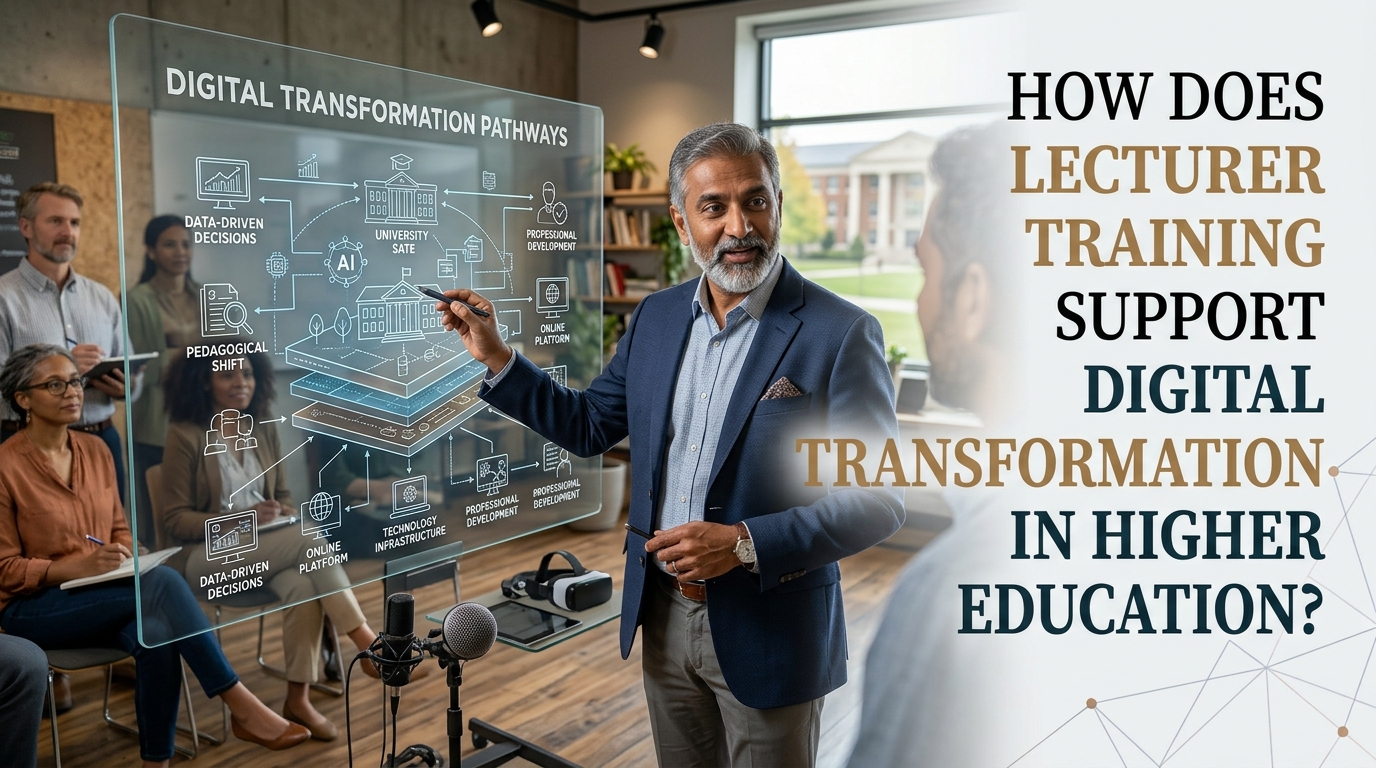
Digital transformation is changing how universities deliver education, manage academic activities, and communicate with students. Digital learning platforms, online assessments, virtual classrooms, and artificial intelligence tools are becoming increasingly common in higher education. However, adopting new technology alone does not guarantee better learning outcomes. Lecturers need the knowledge and skills to use these tools effectively and responsibly. Lecturer training plays an important role in helping universities integrate technology into teaching, improve academic services, and create more flexible learning environments.
UNDERSTANDING DIGITAL TRANSFORMATION IN HIGHER EDUCATION
Digital transformation in higher education refers to the use of digital technology to improve teaching, learning, research, and university administration. It involves more than moving printed materials into digital formats. Universities may redesign learning activities, improve access to academic information, and use digital systems to make services more efficient. Examples include learning management systems, electronic academic records, online course registration, and virtual learning environments. These changes can make educational services more accessible and responsive to the needs of students and lecturers.
Successful digital transformation requires people, processes, and technology to work together. Lecturers must understand how digital tools support learning objectives and how to apply them in different academic situations. Without sufficient preparation, technology may be underused or create unnecessary difficulties. Lecturer training helps bridge the gap between introducing digital systems and using them effectively in daily academic activities. It also encourages universities to focus on educational value rather than technology adoption alone.
IMPROVING DIGITAL TEACHING SKILLS
One of the main benefits of lecturer training is the development of digital teaching skills. Training programs can teach lecturers how to create interactive presentations, organize online lessons, use learning management systems, and share digital learning materials. They can also learn to combine classroom instruction with online activities through blended learning. These approaches provide students with different ways to access information and participate in learning. As a result, lecturers can design lessons that are more flexible and engaging.
Digital teaching training also helps lecturers select appropriate tools for their subjects. For example, science lecturers may use virtual simulations, while language lecturers may use digital discussion platforms and multimedia exercises. The choice of technology should depend on learning objectives, student needs, and available resources. Effective digital teaching combines technology with clear explanations, meaningful activities, and regular feedback. This ensures that digital tools support learning instead of becoming a distraction.
SUPPORTING THE USE OF LEARNING MANAGEMENT SYSTEMS
A learning management system or LMS helps universities organize and deliver educational activities through a digital platform. Lecturers can use an LMS to upload course materials, distribute assignments, communicate with students, and monitor learning progress. Professional training helps them understand these features and apply them consistently. It can also teach them how to structure online courses so that students can find information easily. This improves course organization and helps reduce confusion about academic requirements.
Training can also show lecturers how to use LMS features to support student participation. Discussion forums, online quizzes, progress tracking, and assignment feedback can make learning more interactive. Lecturers should learn how to interpret available information carefully and use it to identify students who may need additional support. An LMS becomes more valuable when lecturers use it to improve communication, learning access, and academic guidance. Universities should provide technical assistance to ensure that lecturers can use the platform confidently.
ENHANCING STUDENT ENGAGEMENT AND LEARNING EXPERIENCES
Digital transformation creates opportunities to make learning more interactive. Through lecturer training, educators can learn to use online polls, collaborative documents, educational videos, and virtual discussion rooms. These tools allow students to share ideas, ask questions, and work together on assignments. Interactive activities can also help lecturers identify misunderstandings during lessons. Greater student participation can support deeper understanding when activities are carefully planned and connected to learning goals.
Training also helps lecturers recognize that students have different learning needs and levels of digital access. Some students may benefit from recorded explanations, while others may prefer live discussions or practical exercises. Lecturers can learn to provide materials in accessible formats and offer alternative ways to participate when necessary. They should also avoid relying entirely on technology that requires expensive devices or stable high-speed internet. By considering these factors, lecturers can create more inclusive and student-centered learning experiences.
DEVELOPING DIGITAL ASSESSMENT AND FEEDBACK SKILLS
Digital transformation also changes how lecturers evaluate student performance. Online quizzes, electronic assignments, digital portfolios, and virtual presentations can support different types of assessment. Lecturer training helps educators select suitable methods and align them with learning outcomes. It can also introduce tools that simplify grading and organize student submissions. These practices may reduce administrative work and make assessment processes easier to manage.
However, digital assessment must remain fair, reliable, and transparent. Lecturers need to establish clear criteria, protect student information, and consider academic integrity. They should understand that automated grading may be suitable for some tasks but cannot fully evaluate every skill, such as creativity or complex reasoning. Constructive feedback remains essential, even when assessments are conducted through digital platforms. With appropriate training, lecturers can use technology to evaluate learning more effectively while maintaining professional judgment.
STRENGTHENING DIGITAL LITERACY AND CYBERSECURITY AWARENESS
Digital transformation requires lecturers to develop strong digital literacy. This includes finding reliable information, evaluating digital content, using software appropriately, and solving basic technical problems. Training can also help lecturers understand data privacy, cybersecurity, and responsible technology use. These skills are important because academic activities often involve confidential student records, grades, research data, and institutional information. Lecturers who understand digital risks are better prepared to protect this information.
Artificial intelligence introduces additional opportunities and challenges. Lecturers need training to evaluate AI-generated content, recognize potential errors, and understand appropriate uses in teaching and research. They should also follow university policies regarding privacy, copyright, and academic integrity. Responsible digital practices help protect academic credibility and build trust in technology-supported education. Continuous guidance is important because digital risks and available tools can change over time.
INCREASING ACADEMIC AND ADMINISTRATIVE EFFICIENCY
Lecturer training can support more efficient academic work by teaching educators how to use digital productivity tools. Shared documents, online calendars, digital grading systems, and collaboration platforms can help lecturers organize responsibilities. These tools may simplify communication, reduce repetitive tasks, and make course coordination easier. When lecturers understand how to use them properly, they can spend more time preparing lessons, conducting research, and supporting students. This contributes to a more organized academic environment.
Digital systems can also improve coordination between lecturers and university departments. For example, electronic submission systems can make it easier to exchange academic documents, while shared platforms can support curriculum planning. Nevertheless, universities should avoid introducing unnecessary tools that complicate existing workflows. Technology should simplify academic processes rather than create additional administrative burdens. Training, clear procedures, and reliable technical support help institutions achieve these benefits.
PREPARING LECTURERS FOR EMERGING TECHNOLOGIES
Technology in higher education continues to develop, including advances in artificial intelligence, virtual simulations, and data analysis tools. Lecturer training helps educators understand these developments and decide which innovations are suitable for their teaching responsibilities. Instead of adopting every new tool, lecturers should evaluate its educational value, cost, accessibility, and potential risks. This approach encourages informed decisions and prevents technology from being used without a clear purpose. Continuous professional development helps lecturers adapt to changing educational needs.
Training programs can include practical workshops, peer mentoring, demonstrations, and opportunities to test new technologies. Lecturers can also share successful teaching practices and discuss challenges with colleagues. This collaborative approach helps build confidence and encourages ongoing improvement. Universities should review training programs regularly to ensure that the content remains relevant. By supporting continuous learning, institutions can develop a workforce that is better prepared for digital change.
THE ROLE OF UNIVERSITIES IN SUPPORTING DIGITAL TRANSFORMATION
Universities are responsible for creating an environment where lecturers can develop and apply digital skills. Institutions can provide structured training programs based on lecturers' existing abilities and professional needs. Beginners may require guidance on basic platforms, while experienced lecturers may need advanced training in digital assessment, learning analytics, or AI-supported teaching. Training should be practical, accessible, and closely connected to real teaching responsibilities. This makes it easier for lecturers to apply what they learn in their classrooms.
Universities must also provide the infrastructure needed for successful implementation. Reliable internet access, suitable devices, accessible software, technical support, and clear digital policies are essential. Institutions should collect feedback from lecturers and students to identify problems and measure progress. They can also evaluate whether training improves technology use, student engagement, and teaching practices. Digital transformation is most effective when professional development, institutional leadership, and technical resources work together.
CONCLUSION
Lecturer training supports digital transformation in higher education by improving digital teaching skills, strengthening digital literacy, and encouraging effective use of educational platforms. It also helps lecturers develop better assessment methods, protect academic information, and manage their responsibilities more efficiently. However, successful transformation requires more than technical knowledge. Lecturers need ongoing support, practical training, and a clear understanding of how technology can improve learning outcomes. When universities invest in people as well as digital infrastructure, they can build a more adaptable, inclusive, and effective educational environment.
Recent Posts

Bagaimana Sistem SKS pada Program Kuliah... 22.11.2026/45 View

How Does Technology Make Daily Evaluation... 21.11.2026/73 View

Apa Strategi Menghadapi Kesenjangan antara Kompetensi... 21.11.2026/75 View

Mengapa Inventaris Aset Penting bagi Kelancaran... 21.11.2026/71 View

When Should Musicians Join a Record... 21.11.2026/75 View
