

How Does Modern Technology Improve Waste Management?
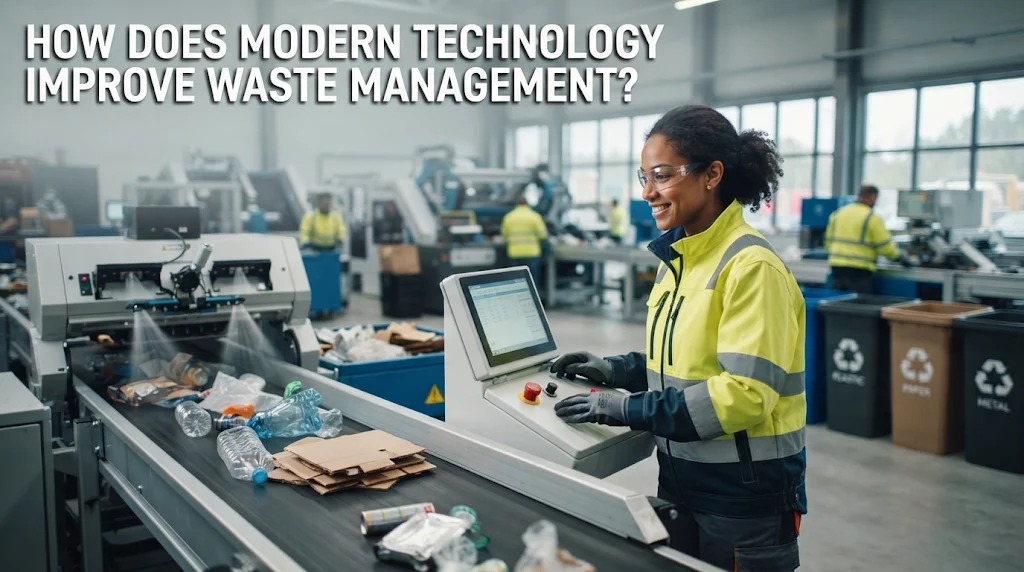
Modern technology has significantly changed the way waste is collected, sorted, processed, and disposed of. Traditional waste management methods often require considerable time, labor, and resources. With the development of digital systems, automated equipment, and advanced recycling technologies, waste management can become more efficient and environmentally friendly. These innovations help waste managers reduce pollution, improve operational performance, and recover valuable materials from discarded products. Understanding how modern technology improves waste management is important for building cleaner and more sustainable communities.
AUTOMATED WASTE SORTING SYSTEMS
Automated waste sorting systems help waste managers separate different materials more quickly and accurately. These systems use machines, sensors, cameras, and artificial intelligence to identify materials such as plastic, paper, glass, and metal. After identifying each material, automated equipment directs it into the appropriate collection area. This process reduces the need for manual sorting and helps minimize mistakes.
Modern sorting technology also improves the quality of recyclable materials. When waste is separated correctly, recycling facilities can process materials more effectively and reduce contamination. Some advanced systems can recognize different types of plastic based on their physical or chemical characteristics. As a result, automated sorting supports higher recycling efficiency and reduces the amount of waste sent to landfills.
SMART WASTE COLLECTION AND MONITORING
Smart waste collection uses digital technology to make garbage collection more organized and efficient. Smart bins can be equipped with sensors that detect how full a container is. The collected information is sent to a monitoring system so waste managers can identify which bins need to be emptied. This reduces unnecessary collection trips and helps prevent overflowing waste containers.
Some waste management systems also use GPS and route optimization software to improve collection schedules. These technologies help collection vehicles choose more efficient routes based on bin conditions, traffic, and service requirements. By reducing unnecessary travel, companies can save fuel, lower transportation costs, and reduce vehicle emissions. Smart monitoring also allows waste managers to respond more quickly when collection problems occur.
ARTIFICIAL INTELLIGENCE AND DATA ANALYSIS
Artificial intelligence helps waste managers analyze information and make better operational decisions. AI-powered systems can identify waste materials, monitor recycling activities, and detect unusual patterns in waste production. For example, image recognition technology can help distinguish recyclable materials from general garbage. This makes sorting processes more accurate and reduces the workload of employees.
Data analysis also helps organizations understand how much waste is produced and where it comes from. By studying this information, waste managers can predict collection needs, plan available resources, and identify opportunities to reduce waste. Historical data can also help organizations evaluate the effectiveness of their waste management programs. These insights support better planning and more efficient environmental management.
ADVANCED RECYCLING TECHNOLOGY
Modern recycling technology makes it possible to recover more materials from waste products. Mechanical recycling equipment can crush, clean, separate, and process materials such as plastic, paper, glass, and metal. Some facilities also use advanced optical sorting machines to identify materials that are difficult to separate manually. These processes help transform discarded materials into raw materials for new products.
Certain technologies can also process specific materials through chemical or biological methods. For example, some chemical recycling processes break certain plastics into smaller chemical components that can be used as raw materials. However, these technologies have different costs, energy requirements, and environmental impacts. Waste managers must choose suitable methods based on the type of waste, available facilities, and applicable regulations.
WASTE TREATMENT AND ENVIRONMENTAL PROTECTION
Modern waste treatment technology helps reduce the environmental risks associated with waste disposal. Wastewater treatment systems remove pollutants before water is released or reused. Advanced filtration and treatment processes can reduce harmful substances and protect rivers, lakes, and groundwater. These systems are especially important for industries and facilities that produce large amounts of wastewater.
Technology also supports safer treatment of certain hazardous and organic waste. Controlled biological treatment can turn suitable organic materials into compost or produce biogas through anaerobic digestion. Some specialized facilities use approved thermal treatment processes to manage particular types of hazardous waste. With proper monitoring and pollution controls, these methods can reduce environmental damage and support safer waste management practices.
DIGITAL PLATFORMS AND PUBLIC PARTICIPATION
Digital platforms make it easier for communities to participate in waste management activities. Mobile applications and online systems can provide information about waste collection schedules, recycling locations, and proper waste separation. Residents may also use these platforms to report overflowing bins or illegal dumping. This improves communication between communities, waste management companies, and local authorities.
Digital education campaigns can also encourage people to reduce, reuse, and recycle household materials. Some platforms provide recycling instructions and information about responsible disposal practices. When communities understand how to manage waste correctly, the amount of mixed garbage can be reduced. Public participation combined with modern technology creates a stronger and more effective waste management system.
CONCLUSION
Modern technology improves waste management by making waste collection, sorting, recycling, and treatment more efficient. Automated machines, smart sensors, artificial intelligence, and digital platforms help waste managers save time, reduce operational costs, and make better decisions. Advanced treatment technologies also support environmental protection by reducing pollution and recovering useful resources. Although these innovations require investment, maintenance, and skilled workers, their benefits can support cleaner communities and more sustainable waste management in the future.
Recent Posts

How Does Technology Make Daily Evaluation... 21.11.2026/55 View

Apa Strategi Menghadapi Kesenjangan antara Kompetensi... 21.11.2026/57 View

Mengapa Inventaris Aset Penting bagi Kelancaran... 21.11.2026/51 View

When Should Musicians Join a Record... 21.11.2026/52 View

Daily Evaluation or Daily Planning Which... 21.11.2026/59 View
