

How Does Moral Education Shape Students' Character in the Digital Era?
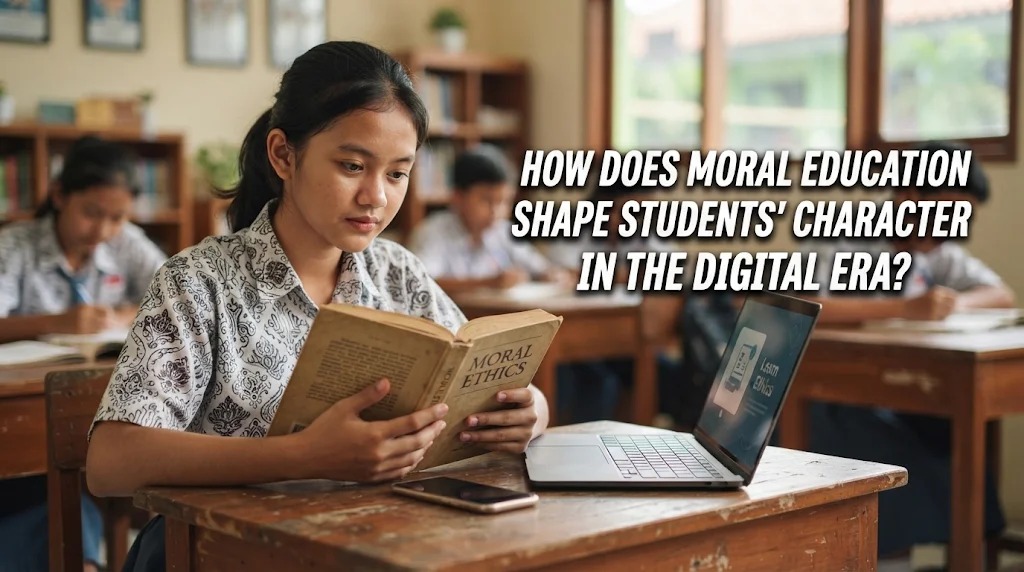
Moral education plays an important role in shaping students' character, especially in the digital era when technology influences almost every aspect of daily life. Students can easily access information, communicate through social media, and participate in online communities. However, these opportunities also create challenges such as cyberbullying, misinformation, and irresponsible online behavior. Through moral education, students can develop positive values, make responsible decisions, and use technology wisely in their everyday activities.
DEVELOPING RESPONSIBILITY
Moral education teaches students to understand the importance of being responsible for their actions. In the digital era, this includes thinking carefully before sharing information, posting comments, or communicating with others online.
Students who develop responsibility are more likely to consider the consequences of their digital activities. They can also learn to respect school rules, complete assignments honestly, and use technology for productive purposes.
BUILDING HONESTY AND INTEGRITY
Honesty is an essential value that helps students develop strong personal character. Moral education encourages students to tell the truth, avoid cheating, and maintain academic integrity in their learning activities.
Digital technology makes it easier to copy information or submit someone else's work without permission. By understanding honesty and integrity, students can learn to use online sources appropriately, acknowledge references, and produce original assignments.
TEACHING RESPECT AND TOLERANCE
The internet connects people from different backgrounds, cultures, and perspectives. Moral education helps students understand that everyone deserves respect, even when they have different opinions or beliefs.
These values encourage students to communicate politely and avoid offensive comments on social media. Respect and tolerance also help create a more positive school environment where students can appreciate differences and maintain healthy relationships.
PREVENTING CYBERBULLYING
Cyberbullying is one of the major challenges students face when using digital platforms. It can involve insulting messages, spreading rumors, sharing embarrassing content, or threatening others through online communication.
Moral education teaches empathy and kindness, helping students understand how harmful online behavior can affect other people. Students can become more aware of their actions and learn to report inappropriate behavior instead of participating in it.
STRENGTHENING SELF-DISCIPLINE
Easy access to digital entertainment can make it difficult for students to manage their time and stay focused on learning. Social media, online games, and other applications can distract them from important responsibilities.
Through moral education, students learn the importance of self-discipline and controlling their habits. They can develop healthier digital routines, limit unnecessary screen time, and prioritize educational activities over excessive entertainment.
DEVELOPING CRITICAL THINKING
Students encounter large amounts of information on the internet every day. Unfortunately, not all online content is accurate, trustworthy, or appropriate.
Moral education encourages students to think carefully before accepting or sharing information. Combined with digital literacy, these values help them evaluate online sources, recognize misinformation, and make decisions based on reliable evidence.
ENCOURAGING EMPATHY AND SOCIAL AWARENESS
Empathy helps students understand the feelings and experiences of others. In digital communication, this quality is important because messages and comments can sometimes hurt people even when they are shared without direct contact.
Moral education encourages students to consider other people's perspectives before responding online. It also motivates them to use digital platforms for positive activities, such as sharing useful information, supporting others, and participating in community initiatives.
CONCLUSION
Moral education shapes students' character in the digital era by developing responsibility, honesty, respect, tolerance, self-discipline, and empathy. These values help students face online challenges and build positive relationships in both digital and real-life environments. By combining moral education with digital literacy, schools and families can prepare students to become responsible individuals who use technology wisely and contribute positively to society.
Recent Posts

How Does Technology Make Daily Evaluation... 21.11.2026/57 View

Apa Strategi Menghadapi Kesenjangan antara Kompetensi... 21.11.2026/59 View

Mengapa Inventaris Aset Penting bagi Kelancaran... 21.11.2026/55 View

When Should Musicians Join a Record... 21.11.2026/54 View

Daily Evaluation or Daily Planning Which... 21.11.2026/61 View
