

How Does Parental Divorce Affect a Child's Future?
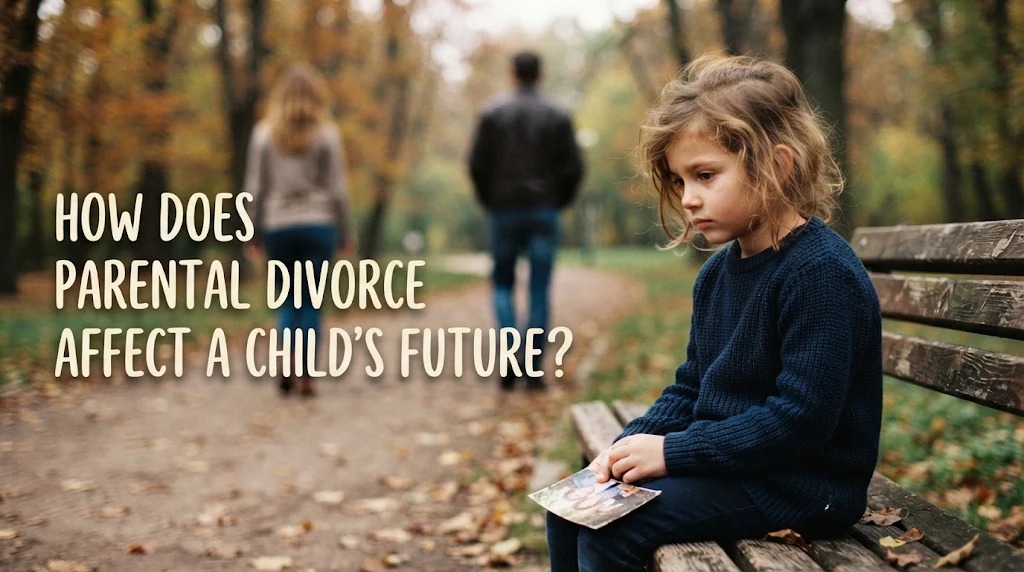
Parental divorce is a major family change that can influence a child's emotional development, education, relationships, and future life. When parents decide to separate, children may experience confusion, sadness, fear, or uncertainty about what will happen next. Their daily routines, living arrangements, and relationships with family members may also change. These experiences can become challenging, especially when children do not fully understand the reasons behind their parents' separation.
However, divorce does not automatically determine a child's future or prevent them from achieving a happy and successful life. Its effects depend on several factors, including the child's age, family circumstances, parenting quality, and support from the surrounding environment. Understanding how parental divorce affects children can help parents provide appropriate care and create a stable environment for their development.
EMOTIONAL AND PSYCHOLOGICAL EFFECTS OF PARENTAL DIVORCE
One of the most noticeable effects of parental divorce is the emotional impact on children. Some children may experience sadness, anger, disappointment, anxiety, or loneliness when their parents separate. They may miss the family environment they previously experienced and struggle to accept changes in their daily lives. Younger children may also believe that they are responsible for their parents' separation, even though divorce is an adult decision and not the child's fault.
These emotional reactions can affect a child's psychological well-being if they do not receive adequate support. Some children become quieter, withdraw from social activities, or have difficulty expressing their feelings. Others may show anger or changes in behavior as a way of responding to emotional stress. Parents should listen to their children's concerns, provide reassurance, and avoid involving them in conflicts between adults. Professional support may also be helpful when emotional difficulties continue or interfere with everyday activities.
EFFECTS ON EDUCATION AND ACADEMIC PERFORMANCE
Parental divorce can influence a child's educational development, particularly when family changes create emotional pressure or disrupt daily routines. Children who are worried about family problems may find it difficult to concentrate during lessons, complete assignments, or prepare for examinations. Changes in living arrangements can also affect their study schedules and access to educational resources. As a result, some children may experience a decline in academic performance during periods of family adjustment.
However, not every child experiences educational difficulties after parental divorce. Children who receive consistent support from parents, teachers, and other trusted adults can continue developing their academic abilities. Maintaining regular study schedules, providing suitable learning facilities, and communicating with teachers can help protect children's educational progress. Parents should also encourage their children to pursue their interests and academic goals without making them feel responsible for family problems.
CHANGES IN SOCIAL RELATIONSHIPS AND FUTURE ROMANTIC RELATIONSHIPS
Children from divorced families may experience changes in the way they build relationships with other people. Some may become more cautious when trusting friends or developing close emotional connections. This can happen because their experiences at home influence how they understand commitment, communication, and relationships. However, these reactions are not experienced by every child and should not be considered permanent characteristics.
As they grow older, some individuals may worry about experiencing relationship problems similar to those they witnessed during childhood. Others may develop a strong desire to build a stable and harmonious family of their own. Healthy friendships, positive role models, and supportive relationships can help children develop trust and emotional security. With appropriate experiences and guidance, they can learn that a person's future relationships are not necessarily determined by their parents' marriage.
FINANCIAL AND LIVING CONDITION CHANGES AFTER DIVORCE
Parental divorce can also affect a child's financial circumstances and living arrangements. When parents separate, household income may change because financial responsibilities are divided between two households. Some families may experience difficulties covering educational expenses, healthcare, housing, and other daily necessities. These changes can influence the opportunities available to children, particularly when financial support is not managed properly.
Living arrangements may also change after divorce. Children might move to another home, live primarily with one parent, or divide their time between both parents. Adjusting to different routines, locations, and household rules can require time and emotional preparation. Parents should cooperate in providing consistent care, meeting children's basic needs, and maintaining stability. A supportive arrangement can help children feel secure even when their family structure changes.
EFFECTS ON PERSONALITY AND FUTURE DEVELOPMENT
Family experiences can influence the development of a child's personality, independence, and emotional maturity. After parental divorce, some children may need to adjust to new responsibilities or learn to manage difficult emotions at an early age. These experiences can sometimes encourage independence, adaptability, and problem-solving abilities. However, children should not be expected to take on adult responsibilities or become emotional supporters for their parents.
On the other hand, ongoing family conflict and a lack of emotional support may contribute to insecurity, low self-esteem, or difficulties managing stress. The long-term effects depend on the child's experiences before, during, and after the divorce. A stable relationship with caring adults can help reduce the negative impact of family disruption. Parents should focus on providing guidance, affection, and opportunities for children to develop their abilities and interests.
HOW PARENTS CAN SUPPORT CHILDREN AFTER DIVORCE
Parents play an important role in helping children adjust to life after divorce. One essential step is explaining the separation in an age-appropriate and honest way without blaming the other parent. Children need to understand that the divorce is not their fault and that both parents can continue loving and supporting them. Parents should also avoid arguing in front of children or using them as messengers during disagreements.
Maintaining consistent routines and encouraging open communication can help children feel safer during the transition. Parents should make time to listen to their children's feelings, support their education, and remain involved in important activities. If children show persistent sadness, anxiety, behavioral changes, or difficulties at school, consulting a qualified mental health professional may be beneficial. With patience, cooperation, and appropriate support, parents can help children adjust and develop a positive outlook toward their future.
CONCLUSION
Parental divorce can affect a child's future in several ways, including emotional development, academic performance, social relationships, financial circumstances, and personality formation. Some children may experience sadness, insecurity, or difficulties adjusting to changes in family life. However, these effects are not the same for everyone and do not automatically determine a child's future success or happiness.
The quality of parenting and support after divorce plays an important role in children's development. Providing emotional security, maintaining healthy communication, fulfilling parental responsibilities, and creating a stable environment can help children overcome family challenges. Although parental separation changes family relationships, every child still has the opportunity to grow, pursue their dreams, and build a positive future.
Recent Posts

How Does Technology Make Daily Evaluation... 21.11.2026/57 View

Apa Strategi Menghadapi Kesenjangan antara Kompetensi... 21.11.2026/59 View

Mengapa Inventaris Aset Penting bagi Kelancaran... 21.11.2026/54 View

When Should Musicians Join a Record... 21.11.2026/54 View

Daily Evaluation or Daily Planning Which... 21.11.2026/61 View
