

How Does Parenting Style Influence a Child's Personality Development?
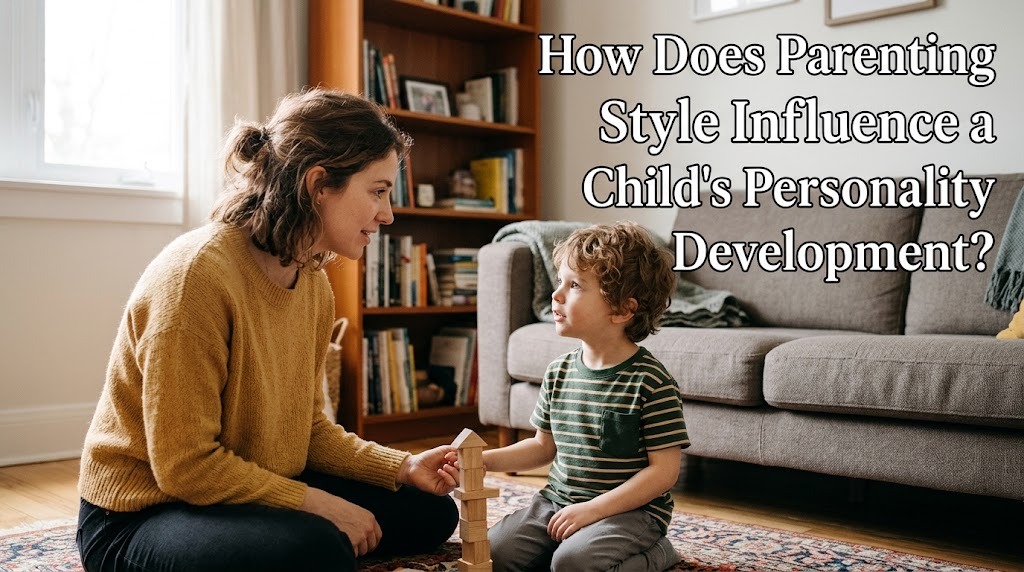
Parenting style plays an important role in shaping a child's personality development. The way parents communicate, provide guidance, establish rules, and show affection can influence how children think, behave, and interact with others. Family is usually the first environment where children learn about values, emotions, discipline, and social relationships. These early experiences can become the foundation for their attitudes and behavior as they grow older.
Every parent has a different approach to raising children. Some parents prioritize discipline and strict rules, while others provide greater freedom and encourage independence. There are also parents who combine affection with clear boundaries to help children develop healthy habits. Understanding how parenting styles influence personality development can help parents create a supportive environment that allows children to grow into confident, responsible, and emotionally healthy individuals.
UNDERSTANDING DIFFERENT PARENTING STYLES
Parenting styles refer to the general approaches parents use to raise, guide, and discipline their children. These approaches influence how parents communicate, respond to children's needs, and establish expectations for behavior. In developmental psychology, parenting styles are commonly divided into four main categories: authoritative, authoritarian, permissive, and uninvolved parenting. Each style has different characteristics and can affect children's emotional, social, and behavioral development.
Authoritative parenting combines warmth, communication, and reasonable boundaries. Authoritarian parenting emphasizes strict rules and obedience, sometimes with limited opportunities for children to express their opinions. Permissive parenting provides considerable freedom and affection but often involves fewer rules or consistent consequences. Meanwhile, uninvolved parenting is characterized by limited emotional support and guidance. Understanding these differences helps explain why children raised in different family environments may develop different personality characteristics.
HOW AUTHORITATIVE PARENTING BUILDS A POSITIVE PERSONALITY
Authoritative parenting is often associated with positive developmental outcomes because it balances emotional support with clear expectations. Parents who use this approach encourage children to express their thoughts while teaching them to understand responsibilities and respect boundaries. Instead of relying only on punishment, they explain why certain behaviors are appropriate or inappropriate. This communication helps children develop critical thinking and understand the consequences of their decisions.
Children raised with authoritative parenting often have opportunities to develop confidence, independence, and emotional regulation. They learn that their opinions matter while also understanding that they must respect other people's needs. This environment can encourage healthy social relationships and responsible decision-making. Although every child responds differently, consistent warmth and reasonable discipline can provide a strong foundation for positive personality development.
THE EFFECTS OF AUTHORITARIAN PARENTING ON CHILDREN
Authoritarian parenting focuses heavily on discipline, obedience, and strict parental control. Parents who follow this approach usually establish clear rules and expect children to follow them without questioning their decisions. Although structure can help children understand boundaries, excessive control may limit opportunities for independent thinking and personal expression. Children may become more concerned about avoiding punishment than understanding the reasons behind their behavior.
Depending on the child's temperament and the level of parental support, this parenting style may contribute to anxiety, low self-confidence, or difficulty expressing emotions. Some children may become highly obedient but struggle to make independent decisions when parental guidance is unavailable. Others may respond to strict control with frustration or rebellious behavior. However, firm parenting does not automatically produce negative outcomes, especially when discipline is accompanied by emotional support, respect, and appropriate communication.
HOW PERMISSIVE PARENTING INFLUENCES PERSONALITY DEVELOPMENT
Permissive parenting is characterized by warmth, affection, and considerable freedom. Parents who use this approach often want their children to feel happy and comfortable expressing themselves. They may avoid strict rules or hesitate to give consequences when children make mistakes. Although emotional closeness can strengthen the parent-child relationship, a lack of consistent boundaries may create difficulties in developing self-discipline.
Children raised in permissive environments may become expressive, sociable, and comfortable sharing their opinions. However, they may also struggle with patience, responsibility, and accepting limitations if they rarely experience consistent expectations. For example, children who are not accustomed to following routines may find it difficult to manage their time or complete responsibilities independently. Providing affection while maintaining reasonable rules can help children enjoy freedom without losing important behavioral guidance.
THE IMPACT OF UNINVOLVED PARENTING ON A CHILD'S PERSONALITY
Uninvolved parenting occurs when parents provide limited emotional support, supervision, and guidance. This situation may happen because of personal difficulties, excessive work demands, family problems, or a lack of awareness about children's developmental needs. Children generally need attention, encouragement, and a sense of security from their parents. When these needs are consistently unmet, their emotional and social development may be affected.
Children experiencing uninvolved parenting may have difficulty developing trust, expressing emotions, or building healthy relationships. Some may become overly independent because they are accustomed to handling problems without sufficient adult support. Others may experience low self-esteem or struggle to manage challenging situations. However, these outcomes are not inevitable because supportive teachers, relatives, friends, and other trusted adults can provide meaningful guidance and emotional protection.
THE ROLE OF PARENTAL COMMUNICATION IN PERSONALITY FORMATION
Communication is one of the most important elements of parenting because it influences how children understand themselves and other people. Parents who listen carefully and respond respectfully help children feel valued and accepted. Through everyday conversations, children learn how to express opinions, explain their feelings, and resolve disagreements. These experiences gradually shape their communication skills and social behavior.
Positive communication also teaches children how to manage emotions in difficult situations. For example, when parents encourage children to explain why they feel angry or disappointed, children can learn to recognize their emotions instead of reacting aggressively. Parents can also demonstrate how to apologize, listen to different perspectives, and solve problems peacefully. These lessons contribute to the development of empathy, emotional intelligence, and healthy interpersonal relationships.
HOW DISCIPLINE AND BOUNDARIES SHAPE CHILDREN'S BEHAVIOR
Discipline helps children understand the difference between acceptable and unacceptable behavior. It also teaches them that their actions have consequences and that they are responsible for their decisions. Effective discipline does not have to involve harsh punishment or intimidation. Instead, parents can establish clear expectations, explain rules, and apply reasonable consequences consistently.
Healthy boundaries give children a sense of security because they know what is expected of them. For example, establishing regular study schedules, household responsibilities, and appropriate screen time can help children develop self-control and time management skills. Parents should also consider their children's ages and individual abilities when setting expectations. When discipline is fair and consistent, children have better opportunities to develop responsibility, independence, and respect for others.
THE IMPORTANCE OF EMOTIONAL SUPPORT AND PARENTAL AFFECTION
Emotional support plays a major role in helping children develop a positive understanding of themselves. Children who receive affection, encouragement, and attention from their parents often have more opportunities to develop a sense of security and belonging. Simple actions such as listening to their stories, appreciating their efforts, and comforting them during difficult moments can strengthen emotional connections. These experiences help children understand that they are valued regardless of whether they always succeed.
Parental affection also influences how children build relationships outside the family. Children who experience respectful and caring interactions at home can learn to show kindness, empathy, and appreciation toward others. Emotional support is particularly important when children face failure, disappointment, or social challenges. Rather than criticizing every mistake, parents should encourage children to learn from their experiences and recognize their ability to improve.
FACTORS THAT CAN STRENGTHEN OR CHANGE THE INFLUENCE OF PARENTING STYLES
Although parenting styles have a significant influence on personality development, they are not the only factors that shape a child's behavior. Children's personalities are also influenced by genetics, temperament, education, friendships, culture, and personal experiences. For example, two children raised by the same parents may develop different personalities because they have different temperaments and respond differently to similar situations. This shows that personality development is a complex process involving both inherited characteristics and environmental influences.
Parenting approaches can also change as children grow and their needs become different. Younger children generally need more direct supervision, while teenagers require greater opportunities to make decisions and develop independence. Parents who adjust their guidance according to their children's developmental stages can provide more appropriate support. A positive family environment, combined with healthy relationships outside the home, can help children develop balanced personalities.
CONCLUSION
Parenting style has an important influence on a child's personality development because it shapes emotional experiences, behavior, communication skills, and social relationships. Authoritative parenting often provides a healthy balance between affection and discipline, while authoritarian, permissive, and uninvolved approaches may create different developmental challenges depending on how they are practiced. However, parenting styles do not determine a child's personality completely because genetics, education, social environments, and personal experiences also play important roles.
Parents can support healthy personality development by providing emotional security, communicating openly, establishing reasonable boundaries, and encouraging independence. They should also recognize that every child has different needs and developmental characteristics. With consistent guidance, affection, and positive examples, parents can help children develop confidence, responsibility, empathy, and the ability to build healthy relationships throughout their lives.
Recent Posts

Bagaimana Sistem SKS pada Program Kuliah... 22.11.2026/46 View

How Does Technology Make Daily Evaluation... 21.11.2026/73 View

Apa Strategi Menghadapi Kesenjangan antara Kompetensi... 21.11.2026/75 View

Mengapa Inventaris Aset Penting bagi Kelancaran... 21.11.2026/71 View

When Should Musicians Join a Record... 21.11.2026/75 View
