

How Does Political Bribery Influence Public Policies and Government Decisions?
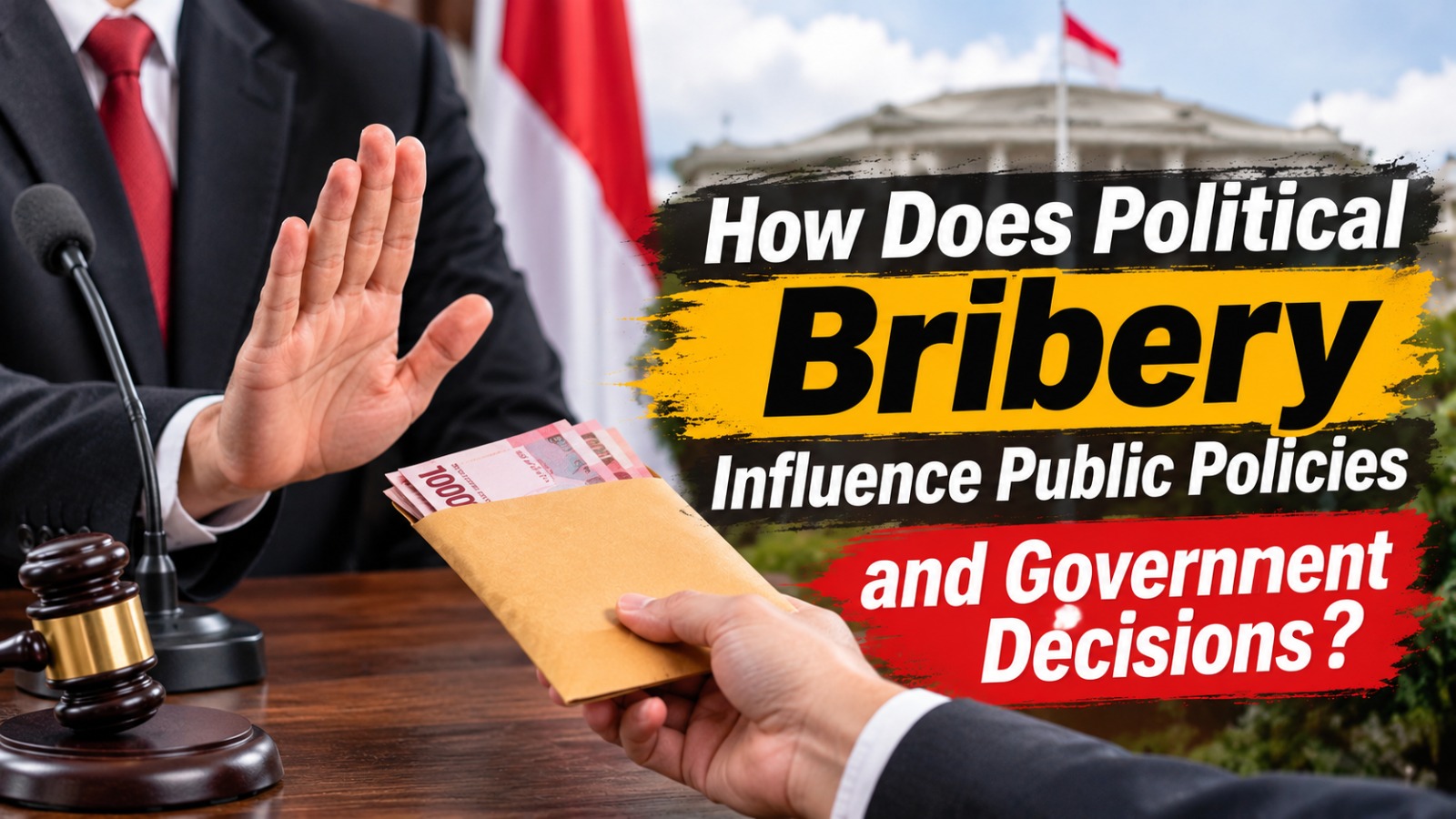
Political bribery is a serious problem that can influence how governments create policies and make important decisions. It occurs when individuals or organizations offer money, gifts, services, or other benefits to public officials in exchange for favorable treatment. This practice can interfere with the responsibility of government institutions to serve the interests of society. Instead of making decisions based on public needs, officials may prioritize the interests of wealthy individuals, business organizations, or political groups. Political bribery can therefore damage democratic principles, weaken institutional accountability, and reduce the effectiveness of public policies. Understanding its influence is important for building a transparent government that prioritizes public welfare.
UNDERSTANDING THE INFLUENCE OF POLITICAL BRIBERY ON PUBLIC POLICIES
Public policies are decisions, regulations, and programs established by governments to address social, economic, educational, and environmental issues. Ideally, these policies should be developed through fair processes based on research, public needs, and national priorities. However, political bribery can interfere with these processes by allowing certain individuals or organizations to influence government decisions through illegal benefits. Officials who accept bribes may support policies that provide advantages to specific groups rather than considering the interests of the wider community.
For example, a company may offer financial benefits to government officials to encourage the approval of regulations that favor its business activities. As a result, policies that should protect consumers, workers, or the environment may become less effective. This situation creates conflicts of interest because public officials are expected to act independently but instead prioritize private benefits. When bribery influences policy-making, government decisions lose their fairness and credibility. Therefore, political bribery can prevent public policies from achieving their intended goals.
DISTORTING GOVERNMENT DECISIONS AND PUBLIC RESOURCE ALLOCATION
Political bribery can influence government decisions by encouraging officials to provide special treatment to individuals or organizations that offer illegal benefits. These decisions may involve public procurement, business permits, infrastructure projects, government appointments, and the distribution of public resources. Instead of following established regulations and objective criteria, officials may manipulate procedures to benefit particular parties. This creates an unfair decision-making environment in which financial influence becomes more important than qualifications and public interests.
The misuse of government authority can also lead to inefficient public spending. For instance, a contractor may obtain a government project through bribery despite lacking the necessary experience or technical capabilities. The project may eventually experience delays, poor construction quality, or unnecessary expenses. Meanwhile, more qualified companies may lose opportunities because they refuse to participate in illegal agreements. Unfair resource allocation can reduce the effectiveness of government programs and prevent public funds from reaching communities that need them most.
WEAKENING PUBLIC TRUST AND DEMOCRATIC ACCOUNTABILITY
One of the most significant consequences of political bribery is the decline of public trust in government institutions. Citizens expect public officials to make decisions honestly and responsibly. However, when bribery influences government policies, people may believe that political decisions are controlled by money and personal relationships rather than democratic principles. This perception can damage the reputation of public institutions and reduce confidence in political leadership.
Political bribery also weakens democratic accountability because government officials may become more responsible to the individuals who provide illegal benefits than to the citizens they represent. This situation can reduce public participation in political activities and create frustration within communities. People may feel that their opinions have little influence over government decisions, especially when powerful groups receive special treatment. To maintain democratic accountability, government institutions must provide transparent information, establish effective supervision, and ensure that officials remain responsible for their decisions.
DAMAGING ECONOMIC DEVELOPMENT AND PUBLIC WELFARE
Political bribery can create serious obstacles to economic development because it encourages government decisions that prioritize private interests over economic efficiency. When companies obtain contracts or business permits through illegal payments, competition becomes unfair and investment conditions become less reliable. Businesses that follow legal procedures may struggle to compete against organizations that receive special treatment. This can discourage responsible investors and reduce confidence in the business environment.
Furthermore, bribery can reduce the quality of public services and damage community welfare. Government budgets may be directed toward projects that provide financial benefits to certain individuals instead of addressing essential public needs. For example, funds intended for schools, healthcare facilities, transportation, and public infrastructure may be misused or distributed inefficiently. These problems can increase inequality because disadvantaged communities may receive fewer opportunities and services. Public welfare and sustainable development depend on government decisions that are fair, transparent, and based on genuine social needs.
STRATEGIES TO PREVENT POLITICAL BRIBERY IN GOVERNMENT DECISIONS
Preventing political bribery requires strong regulations and effective supervision of government decision-making processes. Governments should establish transparent procedures for public procurement, financial management, business licensing, and policy development. Independent anti-corruption institutions must also have the authority to investigate suspicious activities and ensure that public officials follow applicable laws. Regular audits and accessible financial reports can help identify irregularities before they become larger corruption problems.
Citizens and civil society organizations also have important responsibilities in preventing political bribery. They can monitor government programs, request public information through legal procedures, and report suspected misconduct to the appropriate authorities. Political parties should promote ethical leadership and establish clear rules against bribery within their organizations. In addition, digital transparency systems can make government transactions and administrative procedures easier to monitor. Through strong enforcement, public participation, and institutional accountability, governments can reduce political bribery and ensure that public policies serve the interests of society.
CONCLUSION
Political bribery influences public policies and government decisions by allowing money, personal relationships, and private interests to interfere with official responsibilities. It can distort policy-making, create unfair resource allocation, weaken public trust, and damage economic development. When officials prioritize illegal benefits over public needs, government institutions become less effective and democratic accountability becomes weaker.
Preventing political bribery requires transparent decision-making, independent supervision, consistent law enforcement, and active citizen participation. Public officials must prioritize their responsibilities and ensure that government resources are managed fairly. Citizens should also support ethical leadership and monitor how public policies are implemented. Through these efforts, governments can strengthen institutional integrity and create policies that genuinely improve public welfare.
Recent Posts

How Does Technology Make Daily Evaluation... 21.11.2026/58 View

Apa Strategi Menghadapi Kesenjangan antara Kompetensi... 21.11.2026/60 View

Mengapa Inventaris Aset Penting bagi Kelancaran... 21.11.2026/56 View

When Should Musicians Join a Record... 21.11.2026/55 View

Daily Evaluation or Daily Planning Which... 21.11.2026/63 View
