

How Does Political Bribery Reduce Public Trust in Government Institutions?
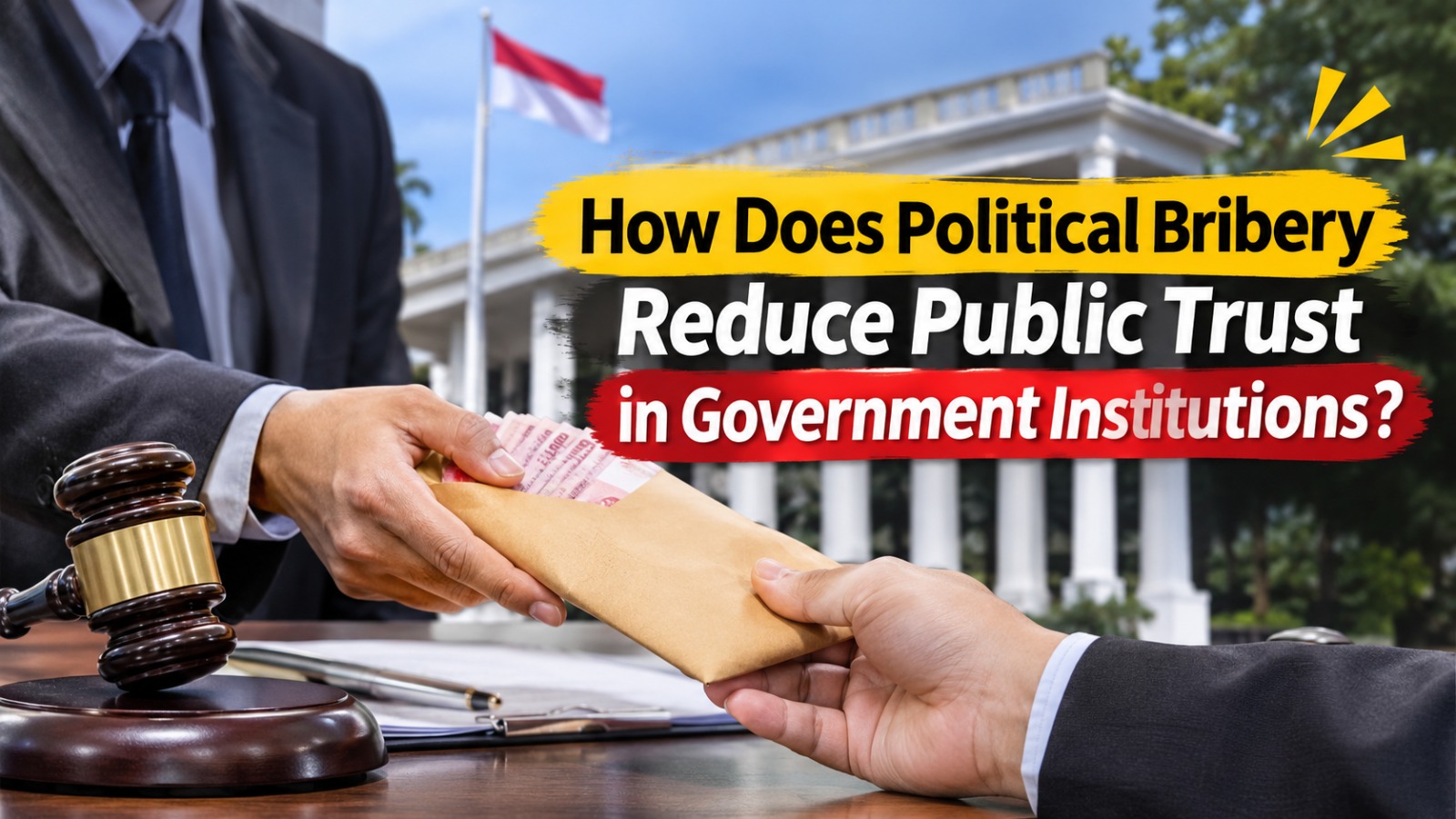
Political bribery is a serious problem that can weaken the relationship between citizens and government institutions. In a democratic system, people expect public officials to make decisions honestly, follow the law, and prioritize the interests of society. However, when political leaders or government representatives accept illegal payments, their decisions may become influenced by personal interests rather than public responsibilities. This situation creates disappointment among citizens and raises questions about the fairness of government activities. As political bribery becomes more common, people may lose confidence in the institutions responsible for protecting their rights and managing public resources. Therefore, understanding how political bribery reduces public trust is important for improving government accountability and strengthening democracy.
UNDERSTANDING THE RELATIONSHIP BETWEEN POLITICAL BRIBERY AND PUBLIC TRUST
Political bribery refers to the practice of offering, giving, receiving, or requesting money, gifts, or other benefits to influence political decisions or official actions improperly. This practice can involve politicians, government officials, political parties, business representatives, and other individuals with political influence. Bribery may occur when someone attempts to obtain government contracts, influence public policies, secure political advantages, or receive special treatment. Such activities violate the principles of honesty, fairness, and transparency that should guide government institutions.
Meanwhile, public trust refers to the confidence citizens have in government institutions and their ability to perform responsibilities fairly and effectively. People generally expect government representatives to protect public interests, enforce regulations, and distribute resources responsibly. When political bribery occurs, these expectations can be damaged because officials may prioritize financial rewards over their responsibilities. As a result, citizens may begin to question whether government institutions genuinely serve the public or mainly benefit politically influential individuals.
HOW POLITICAL BRIBERY DAMAGES GOVERNMENT CREDIBILITY
One major consequence of political bribery is the decline of government credibility. Government institutions depend on public confidence to implement policies, maintain social stability, and encourage cooperation between authorities and citizens. However, when officials become involved in bribery, people may believe that government decisions can be influenced by money or personal connections. This perception makes it difficult for institutions to demonstrate that their decisions are independent and based on established regulations.
Political bribery can also create the impression that laws are not applied equally to everyone. For example, a business owner who offers illegal payments may receive special treatment, while other individuals who follow the proper procedures must wait longer or face additional difficulties. This situation damages the principle of equality before the law and reduces confidence in public administration. When citizens repeatedly experience unfair treatment, they may become less willing to respect government decisions or cooperate with public institutions.
THE IMPACT OF POLITICAL BRIBERY ON PUBLIC SERVICES AND CITIZEN PARTICIPATION
Political bribery can negatively affect the quality of public services because government decisions may be influenced by private financial interests. Public officials who accept illegal payments may approve projects based on personal rewards rather than public needs and professional qualifications. Consequently, infrastructure development, education programs, healthcare services, and other public facilities may not receive appropriate attention. Misuse of government budgets can also reduce the resources available for communities that depend on public assistance.
Another important effect is the decline of citizen participation in democratic activities. When people believe that political decisions are controlled by money and influential groups, they may feel that their opinions and votes have little value. Some citizens may become less interested in elections, public discussions, or community development programs. This situation can weaken democratic participation and make it more difficult for governments to understand the actual needs of society. Therefore, maintaining public trust is essential for encouraging citizens to remain actively involved in government processes.
STRATEGIES TO RESTORE PUBLIC TRUST IN GOVERNMENT INSTITUTIONS
Restoring public trust requires strong efforts to prevent political bribery and improve the quality of government administration. Governments must enforce anti-corruption regulations consistently and ensure that individuals involved in bribery face appropriate legal consequences. Independent supervisory institutions should also have sufficient authority to investigate suspicious activities without political interference. In addition, transparent public procurement systems and accessible government information can help citizens monitor how public resources are managed.
Public participation is equally important in building trustworthy institutions. Citizens should have opportunities to report suspected bribery, evaluate government performance, and express concerns about public policies. Meanwhile, journalists and civil society organizations can contribute by investigating corruption cases and providing reliable information to the public. Ethical leadership is also necessary because government officials must demonstrate honesty, responsibility, and commitment to public welfare through their daily decisions. When transparency, accountability, and public participation become essential parts of government administration, citizens can gradually regain confidence in democratic institutions.
CONCLUSION
Political bribery reduces public trust in government institutions by damaging credibility, encouraging unfair decisions, and weakening the quality of public services. When officials prioritize personal benefits over public responsibilities, citizens may question the honesty and effectiveness of the entire government system. This situation can also discourage political participation and weaken democratic values. Preventing political bribery requires consistent law enforcement, transparent administration, independent supervision, and responsible leadership. By protecting public interests and maintaining accountability, governments can rebuild citizen confidence and create institutions that genuinely serve society.
Recent Posts

How Does Technology Make Daily Evaluation... 21.11.2026/58 View

Apa Strategi Menghadapi Kesenjangan antara Kompetensi... 21.11.2026/60 View

Mengapa Inventaris Aset Penting bagi Kelancaran... 21.11.2026/56 View

When Should Musicians Join a Record... 21.11.2026/55 View

Daily Evaluation or Daily Planning Which... 21.11.2026/63 View
