

How Does Poor Drainage Worsen Flooding in Cities?
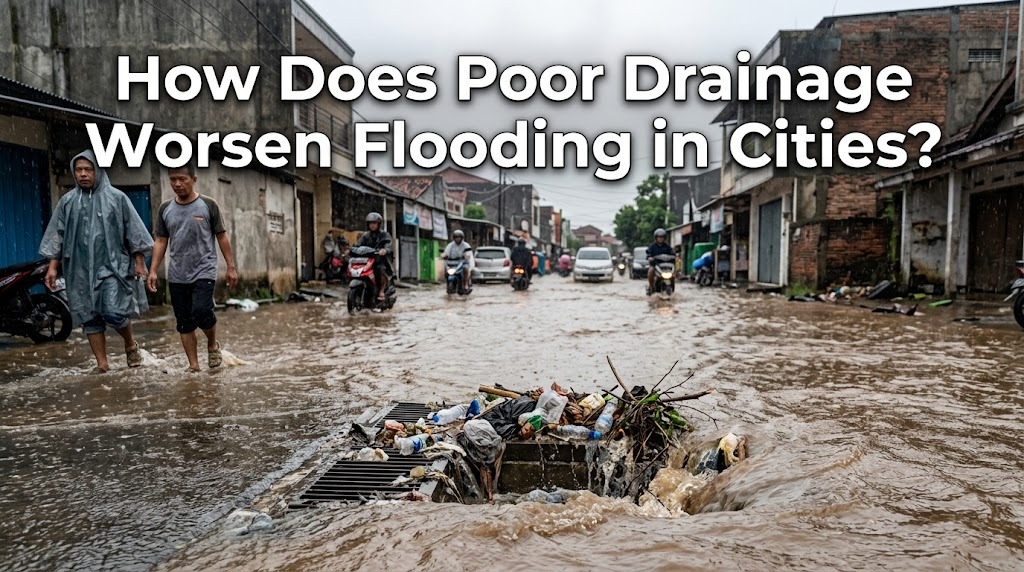
Poor drainage can significantly worsen flooding in cities by preventing rainwater from moving away quickly and safely. When drainage channels are blocked, damaged, undersized, or poorly designed, water can accumulate on streets and enter homes, businesses, and public facilities. The problem becomes more serious when heavy rainfall produces more water than the drainage system can handle. As cities become increasingly developed, effective drainage management becomes essential for reducing flood risks and protecting urban communities.
DRAINAGE SYSTEMS CANNOT HANDLE EXCESS WATER
A drainage system has a limited capacity to collect and transport rainwater. During intense rainfall, large volumes of water can enter drains within a short period. If the drainage network is too small or was designed for older rainfall conditions, it may become overwhelmed.
When the system reaches its capacity, excess water remains on the surface instead of flowing toward rivers, retention areas, or other outlets. This causes water levels to rise quickly, particularly in streets and low-lying neighborhoods. Prolonged rainfall can make the situation worse because the drainage system may remain overloaded for several hours.
BLOCKED DRAINS SLOW WATER FLOW
Waste, sediment, leaves, and other materials can obstruct drainage channels. Even partial blockages reduce the space available for water to pass through the system. During heavy rain, this restriction can cause water to back up and overflow onto surrounding streets.
Blocked drains can also create localized flooding around homes, markets, schools, and transportation routes. Regular cleaning is therefore important, especially before periods when heavy rainfall is expected. Proper waste disposal also helps prevent drainage channels from becoming blocked in the first place.
DAMAGED INFRASTRUCTURE REDUCES DRAINAGE CAPACITY
Cracked pipes, collapsed channels, broken covers, and damaged culverts can interfere with the movement of stormwater. Water may leak into surrounding soil or become trapped in damaged sections instead of reaching its intended outlet.
Aging infrastructure can be particularly vulnerable when cities experience population growth and increased development. If maintenance is delayed, small structural problems can eventually reduce the effectiveness of the entire drainage network. Regular inspections can help authorities identify damaged sections before they contribute to serious flooding.
POOR DRAINAGE CAUSES WATER TO ACCUMULATE ON ROADS
Roads and paved surfaces prevent much rainfall from entering the soil. Instead, water flows across these surfaces toward drains. If the drainage system cannot collect the runoff quickly enough, water begins to accumulate on roads.
Flooded roads can disrupt transportation and make it difficult for emergency vehicles to reach affected areas. Standing water can also damage road surfaces, weaken foundations, and create hazards for pedestrians and motorcyclists. Repeated flooding may therefore increase maintenance costs and reduce the reliability of urban transportation.
URBAN DEVELOPMENT INCREASES RUNOFF
Urbanization often replaces natural surfaces with concrete, asphalt, rooftops, and other impermeable materials. These surfaces reduce infiltration and increase the amount of water flowing directly into drainage systems.
When development expands without corresponding improvements to drainage infrastructure, existing channels must carry more water than they were originally designed to manage. This can increase the frequency and severity of flooding. Incorporating permeable surfaces, green spaces, and rainwater storage into new developments can help reduce this pressure.
FLOODWATER CAN ENTER BUILDINGS
When drainage systems fail to remove water effectively, flooding can spread from roads and open areas into buildings. Water may enter through doors, windows, underground spaces, or low-level openings. Homes and businesses in low-lying locations are particularly vulnerable.
Floodwater can damage furniture, electrical equipment, inventory, walls, and flooring. Contaminated water can also create sanitation problems after flooding. Improving drainage around buildings and maintaining clear water pathways can reduce the likelihood of serious property damage.
POOR DRAINAGE CAN INCREASE PUBLIC HEALTH RISKS
Standing floodwater can create conditions that increase public health concerns. Floodwater may contain sewage, household waste, chemicals, and other contaminants when drainage and wastewater systems become overwhelmed.
After flooding, stagnant water can also become a breeding environment for mosquitoes and other organisms. Cleaning affected areas, removing standing water, and restoring sanitation services are important parts of flood recovery. Better drainage can reduce the duration that contaminated water remains in populated areas.
DRAINAGE PROBLEMS CAN BECOME WORSE OVER TIME
Poor drainage can create a cycle of repeated damage. Floodwater may weaken roads, erode drainage channels, damage pipes, and deposit sediment in waterways. These effects can reduce drainage performance during future rainfall events.
If damaged infrastructure is not repaired, relatively moderate rainfall may eventually cause flooding in areas that previously experienced fewer problems. Long-term maintenance is therefore just as important as emergency flood response. Cities need regular inspections, cleaning, repairs, and capacity assessments to maintain effective drainage systems.
HOW CITIES CAN IMPROVE DRAINAGE
Cities can reduce flooding by combining structural improvements with better environmental management. Drainage channels can be enlarged or repaired where necessary, while retention ponds and flood storage areas can temporarily hold excess water. Green infrastructure, such as rain gardens, permeable pavements, and urban vegetation, can increase infiltration and reduce runoff.
Effective waste management is also essential because preventing trash from entering drains helps maintain water flow. Urban planners should consider drainage capacity before approving major developments, particularly in flood-prone areas. Combining these strategies can make drainage systems more resilient during heavy rainfall.
CONCLUSION
Poor drainage worsens urban flooding by slowing water flow, reducing drainage capacity, and allowing rainwater to accumulate in populated areas. Blocked or damaged infrastructure, rapid urbanization, and extensive paved surfaces can increase the problem. Flooding caused by inadequate drainage can disrupt transportation, damage property, and create public health concerns. Regular maintenance, improved infrastructure, green spaces, responsible development, and effective waste management can help cities reduce these risks and manage heavy rainfall more effectively.
Recent Posts

Bagaimana Sistem SKS pada Program Kuliah... 22.11.2026/53 View

How Does Technology Make Daily Evaluation... 21.11.2026/82 View

Apa Strategi Menghadapi Kesenjangan antara Kompetensi... 21.11.2026/81 View

Mengapa Inventaris Aset Penting bagi Kelancaran... 21.11.2026/77 View

When Should Musicians Join a Record... 21.11.2026/82 View
