

How Does Reading Culture Shape People’s Thinking?
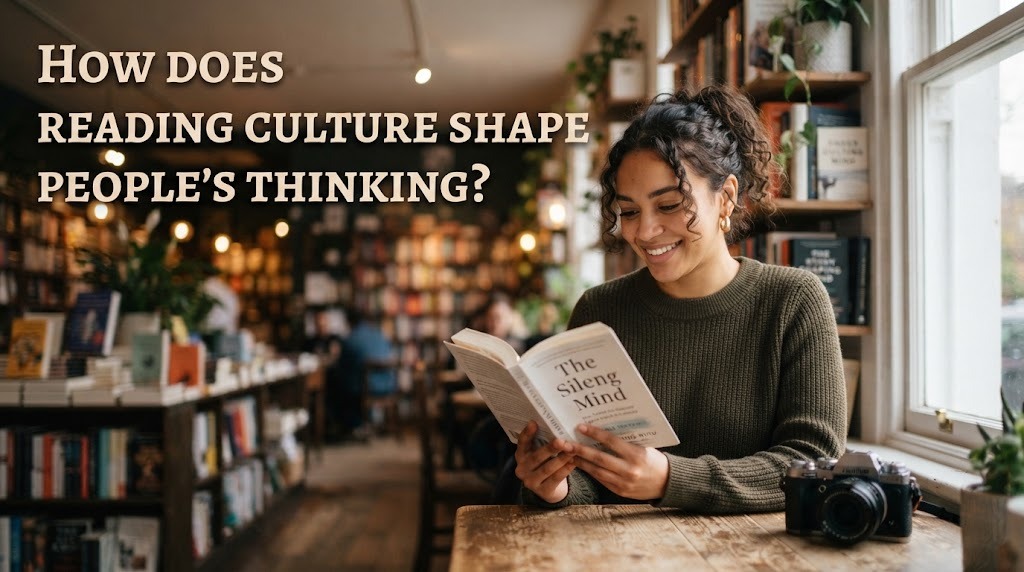
A reading culture develops when reading becomes a regular and valued activity in people's daily lives. It can exist in families, schools, workplaces, libraries, and communities where people are encouraged to explore information through reading. Reading is not only a way to collect facts but also a process that can influence how people understand ideas, evaluate information, and view the experiences of others. Over time, regular exposure to different types of texts can shape a person's way of thinking. This makes reading culture an important part of intellectual and personal development.
EXPANDS KNOWLEDGE AND PERSPECTIVES
Reading introduces people to new knowledge and different perspectives. A person can learn about cultures, historical events, scientific discoveries, social issues, and personal experiences without experiencing them directly. Exposure to this information can help people understand that a single issue may have several possible viewpoints. As their knowledge grows, they may become less dependent on limited experiences when forming opinions.
A strong reading culture also encourages people to explore subjects outside their usual interests. This can broaden their understanding of the world and help them recognize connections between different areas of knowledge. As a result, reading can make people's thinking broader and more informed.
DEVELOPS CRITICAL THINKING
One of the most important ways reading shapes thinking is by developing critical thinking skills. Readers encounter claims, arguments, evidence, and opinions that may not always agree with one another. Comparing these ideas encourages people to examine information instead of accepting every statement immediately. They can learn to ask questions about where information comes from and whether the evidence supports a particular conclusion.
Critical thinking is especially important when people use digital media. A reading culture can encourage individuals to evaluate sources, identify bias, and distinguish facts from opinions. These skills can help them make more careful judgments in both academic and everyday situations.
ENCOURAGES DEEPER THINKING
Reading can encourage people to think about ideas in greater depth. Unlike very short forms of content, longer texts often require readers to follow explanations, understand context, and connect information from different parts of a text. This process can encourage careful and reflective thinking.
Regular exposure to detailed information may also help people avoid making conclusions too quickly. They can take time to consider different factors before deciding what they think about an issue. In this way, reading can support a more thoughtful decision-making process.
IMPROVES PROBLEM-SOLVING ABILITY
Reading exposes people to different problems and possible solutions. Informational texts may explain how a problem occurs, while stories can show characters facing challenges and making decisions. By observing these situations, readers can learn to consider different approaches to solving problems.
Reading can also provide knowledge that becomes useful when dealing with real-life situations. Someone who reads about finance, technology, health, or communication may gain ideas that help them respond to everyday challenges. The more relevant information people have, the more possibilities they may consider when searching for solutions.
BUILDS EMPATHY AND UNDERSTANDING
Reading can shape thinking by helping people understand experiences that are different from their own. Fiction and personal stories can allow readers to see situations from another person's perspective. They may learn about emotions, challenges, and decisions that they have never personally experienced. This can encourage greater empathy and understanding.
Reading about different cultures and communities can also reduce narrow assumptions. People may discover that individuals can have different values, traditions, and life experiences. This exposure can encourage a more open-minded way of thinking and improve how people understand others.
STRENGTHENS LANGUAGE AND EXPRESSION
A strong reading culture can influence thinking through improved language skills. People need language to organize ideas, explain concepts, and communicate their thoughts. Reading provides examples of how complex ideas can be structured and expressed clearly. As vocabulary and comprehension improve, people may find it easier to describe what they think.
Better language skills can also support more precise reasoning. When people have enough vocabulary to distinguish between similar ideas, they can communicate their thoughts more accurately. Therefore, reading can strengthen the connection between language, understanding, and reasoning.
ENCOURAGES CURIOSITY AND QUESTIONING
People who read regularly are often exposed to information that creates new questions. One topic can lead to another, encouraging readers to search for explanations and explore unfamiliar subjects. This process can develop curiosity and a desire to learn.
A reading culture can also create an environment where asking questions is considered positive. Instead of simply accepting information, people may become more willing to investigate and compare different sources. This habit can contribute to independent thinking and continuous learning.
REDUCES NARROW THINKING
A limited information environment can make it easier for people to rely only on familiar ideas. Reading provides access to different opinions, experiences, and sources, which can challenge assumptions. When people encounter ideas that differ from their own, they have an opportunity to reconsider whether their existing beliefs are supported by sufficient information.
However, reading does not automatically make every opinion correct or unbiased. The quality and diversity of reading materials also matter. A healthy reading culture should encourage people to use reliable sources and diverse perspectives rather than repeatedly consuming only information that confirms what they already believe.
SUPPORTS LIFELONG LEARNING
A reading culture can make learning a continuous part of everyday life. People can use reading to update their knowledge when technology, society, education, or professional requirements change. This encourages them to remain adaptable and willing to learn even after formal education ends.
Lifelong reading can also help people develop new interests and skills over time. Someone may begin reading for school but eventually read for career development, personal interests, or general knowledge. This habit can gradually shape a mindset that values continuous improvement and learning.
CONCLUSION
A reading culture shapes people's thinking by influencing how they understand information, evaluate ideas, solve problems, and view different perspectives. Regular reading can strengthen critical thinking, deepen understanding, improve language skills, and encourage curiosity. It can also help people become more empathetic and open-minded when encountering experiences different from their own. However, the quality and diversity of reading materials are important because thoughtful reading requires reliable information and a willingness to consider different viewpoints. By making reading a regular part of life, people can develop a more informed, reflective, and independent way of thinking.
Recent Posts

Bagaimana Sistem SKS pada Program Kuliah... 22.11.2026/35 View

How Does Technology Make Daily Evaluation... 21.11.2026/69 View

Apa Strategi Menghadapi Kesenjangan antara Kompetensi... 21.11.2026/70 View

Mengapa Inventaris Aset Penting bagi Kelancaran... 21.11.2026/67 View

When Should Musicians Join a Record... 21.11.2026/69 View
