

How Does School Zoning Affect Popular Schools?
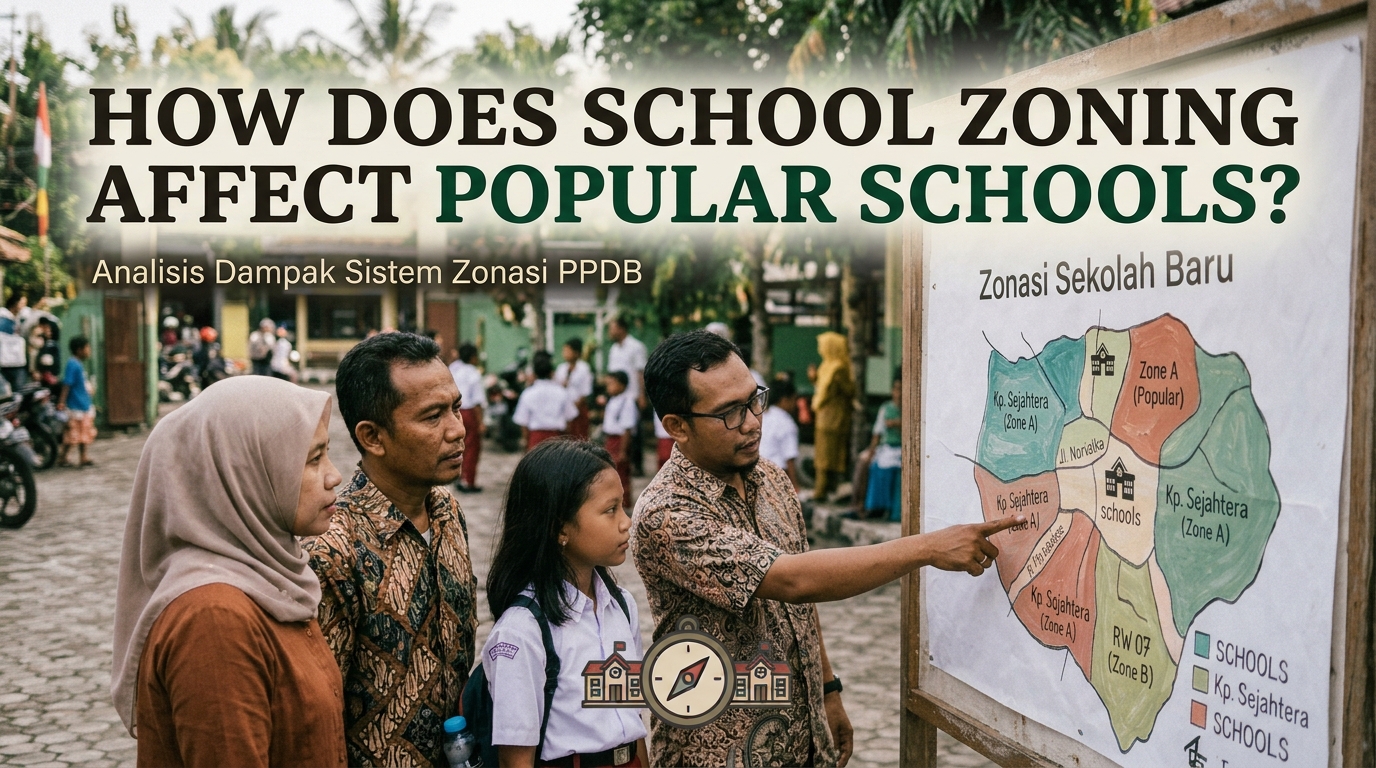
School zoning is an admission policy that considers a student's place of residence when determining access to certain schools. The system aims to make education more accessible to children who live near their schools and to support a fairer distribution of students. However, popular schools often face different challenges because many families want their children to study there. School zoning can change how these schools receive applicants, manage enrollment, and interact with their surrounding communities. Understanding its effects helps parents, students, and schools see both the benefits and limitations of this policy.
CHANGES IN STUDENT ADMISSION
School zoning can change the way popular schools select new students. Instead of relying mainly on academic performance or other selection criteria, a domicile-based pathway gives importance to the applicant's registered residence, according to the applicable rules. This may increase opportunities for students who live near a popular school. At the same time, students who live farther away may have fewer opportunities through this pathway, even if they strongly prefer that school. Admission outcomes depend on the official selection rules, the number of applicants, and the available places.
The exact impact varies by region and education level. In Indonesia, school admission procedures operate under the Sistem Penerimaan Murid Baru (SPMB) framework, with detailed rules set by the applicable regulations and local education authorities. The proportion of places allocated to each pathway can influence how many students are admitted through domicile-based selection. Popular schools must follow these rules rather than simply accepting every applicant who lives nearby. As a result, families should review official admission information before choosing a school.
REDUCING PRESSURE ON POPULAR SCHOOLS
Popular schools often attract applicants from many neighborhoods because of their reputation, facilities, or perceived teaching quality. School zoning may help manage this demand by giving eligible nearby students an opportunity to apply through the domicile pathway. This can reduce the need for families to travel long distances in pursuit of a preferred school. It may also encourage parents to consider schools within their own communities. However, zoning does not automatically eliminate competition when the number of local applicants exceeds the school's capacity.
When demand remains high, popular schools may still need to apply the official selection criteria carefully. Parents should understand that living near a school does not always guarantee admission. The result can depend on the rules for the relevant year and the number of available places. Clear admission information helps families develop realistic expectations and prepare alternative choices. Schools also need effective communication to explain the process and prevent misunderstandings.
PROMOTING FAIRER ACCESS TO EDUCATION
One important goal of school zoning is to support more equitable access to education. Students who live near popular schools may have a better opportunity to attend them without needing to move or travel far. This can be particularly helpful for families who face transportation or financial limitations. A shorter journey may also reduce daily travel time and make school attendance more convenient. In this way, zoning can help connect local students with nearby educational opportunities.
However, fair access involves more than distance alone. Schools may differ in teacher availability, learning facilities, extracurricular activities, and public reputation. If some schools have significantly better resources than others, families may continue to compete for places at the most sought-after institutions. Improving school quality across different neighborhoods is therefore important for making zoning more effective. A fairer system requires both reasonable admission policies and consistent educational support.
CHANGES IN SCHOOL POPULARITY
School zoning can influence how families view popular schools. When admission opportunities depend partly on residence, parents may pay closer attention to schools located near their homes. Schools that were previously less considered may receive greater attention from local families. Over time, this may encourage communities to become more involved in nearby schools. However, a school's popularity does not necessarily change immediately because reputation can be shaped by many factors.
Teaching quality, school leadership, facilities, student support, and learning outcomes can all influence public perception. Zoning alone cannot guarantee that every school will become equally attractive to families. Popular schools still need to maintain educational standards while following admission regulations. Meanwhile, other schools may need additional resources and development programs to build community confidence. Long-term improvements in school quality are essential for reducing excessive competition between schools.
CHALLENGES FOR POPULAR SCHOOLS
A major challenge is the difference between the number of applicants and the number of available seats. A popular school may receive more eligible applications than it can accommodate, creating competition even among students who live nearby. School administrators must verify documents, follow selection procedures, and communicate decisions transparently. These tasks require careful planning and consistent application of the official rules. Without clear communication, families may misunderstand the selection process or feel that it is unfair.
Another challenge is ensuring that residence-based admission is implemented accurately. Authorities may need to verify documents and address inconsistencies in submitted information. Schools must follow established procedures rather than making decisions based on personal preferences. Transparent verification and clear complaint procedures can help build public trust. Cooperation between schools, parents, and education authorities is important for resolving problems fairly.
HOW POPULAR SCHOOLS CAN ADAPT
Popular schools can respond to zoning by improving educational services for all students rather than focusing only on their reputation. They can strengthen teaching methods, student guidance, extracurricular activities, and communication with parents. Schools should also explain admission procedures clearly through official announcements and information sessions. This helps families understand the requirements and reduces confusion during registration. Consistent educational quality and transparent administration can strengthen a school's relationship with its community.
Education authorities also have an important role in supporting schools with different levels of demand. They can assess student capacity, teacher distribution, school facilities, and local population needs. Where necessary, investment in less popular schools may help improve the balance of educational opportunities. Families can contribute by learning about the strengths of different schools rather than judging them only by reputation. These combined efforts can help make the zoning policy more effective and sustainable.
CONCLUSION
School zoning affects popular schools by changing admission patterns, influencing student competition, and encouraging families to consider nearby educational options. It can support fairer access to education and reduce some travel burdens, but it does not automatically remove competition or equalize school quality. Popular schools must manage limited places, verify applications, and communicate selection rules clearly. Education authorities also need to improve resources and learning conditions across schools. A successful school zoning system depends on transparent admission procedures and balanced educational quality, not residence rules alone.
Recent Posts

Bagaimana Sistem SKS pada Program Kuliah... 22.11.2026/57 View

How Does Technology Make Daily Evaluation... 21.11.2026/86 View

Apa Strategi Menghadapi Kesenjangan antara Kompetensi... 21.11.2026/84 View

Mengapa Inventaris Aset Penting bagi Kelancaran... 21.11.2026/82 View

When Should Musicians Join a Record... 21.11.2026/86 View
