

How Does School Zoning Affect Students' Access To Education?
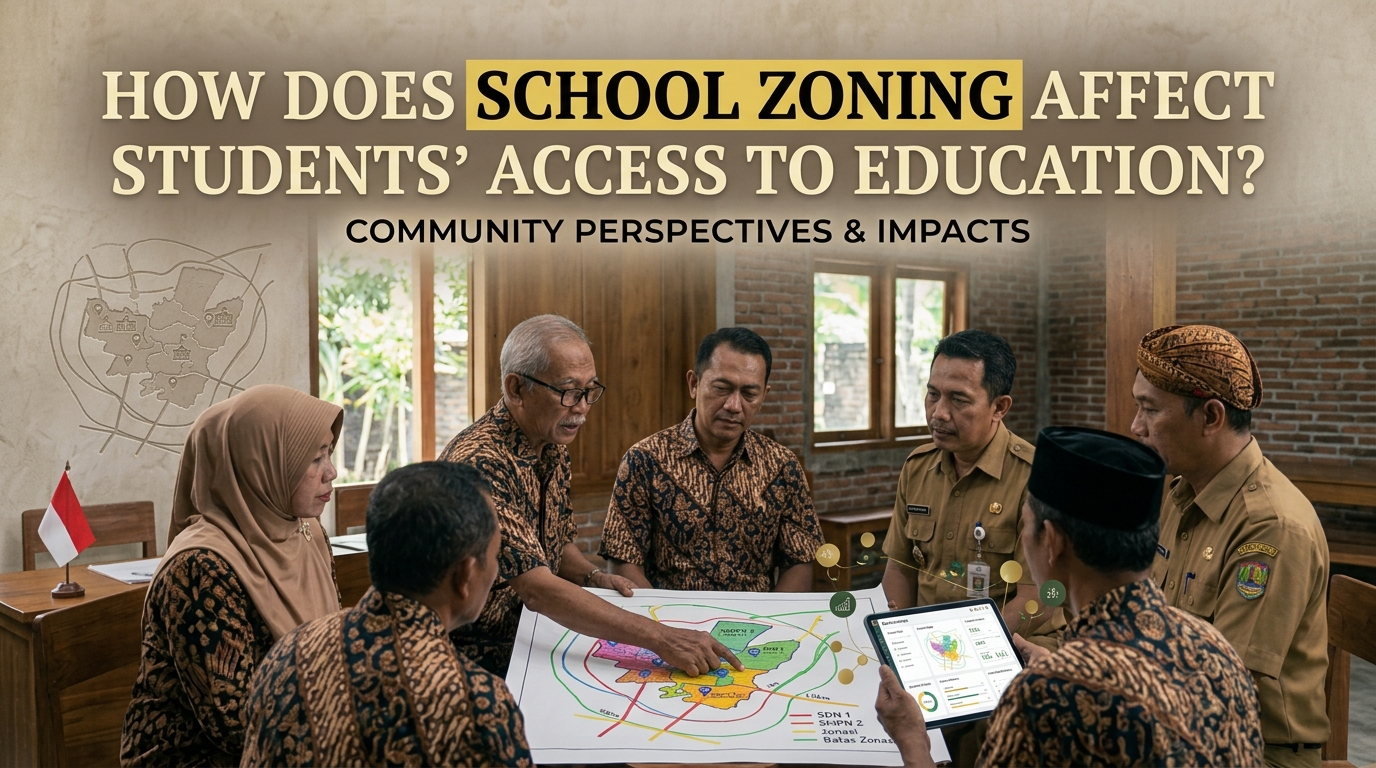
School zoning affects students' access to education by determining which public schools they can attend based on their residential locations or designated admission areas. This policy is intended to organize student enrollment, improve access to nearby schools, and distribute educational resources more effectively. However, its impact can vary depending on school capacity, educational quality, transportation, and local admission regulations. Understanding these effects is important for creating an education system that provides fair and equal opportunities for all students.
UNDERSTANDING SCHOOL ZONING AND EDUCATIONAL ACCESS
School zoning is a policy that connects students with public schools according to geographic areas or residential addresses. Education authorities establish designated areas to help manage enrollment and determine admission priorities. The rules differ between countries and regions, so living within a particular area does not always guarantee admission to a specific school. School capacity, eligibility requirements, and other selection criteria may also influence the outcome.
Access to education means having a realistic opportunity to attend school and receive appropriate learning services. This includes more than simply obtaining a place at a school. Students also need qualified teachers, adequate facilities, suitable learning materials, and a safe environment. Therefore, the effect of school zoning should be evaluated by considering both admission opportunities and the quality of education students receive.
IMPROVING ACCESS TO NEARBY SCHOOLS
One potential benefit of school zoning is that it can help students attend schools closer to their homes. Shorter travel distances may reduce transportation costs and make daily school attendance more convenient. This can be especially helpful for families who have limited transportation options or need to manage several household expenses. Students may also have more time for studying, resting, and participating in school activities.
Attending a nearby school can strengthen connections between students, families, and local communities. Parents may find it easier to communicate with teachers and participate in school events when the school is accessible. However, these benefits depend on whether nearby schools have enough places and provide suitable educational services. If the closest school is overcrowded or difficult to reach, zoning may not automatically improve a student's access to education.
PROMOTING EQUAL EDUCATIONAL OPPORTUNITIES
School zoning can support educational equity by giving local students admission priority under applicable rules. Without geographic considerations, schools with strong reputations may attract applicants from many areas, creating intense competition for limited places. Zoning can help organize this demand and encourage public schools to serve their surrounding communities. It may also reduce the need for families to travel long distances in search of available school places.
However, equal admission opportunities do not always result in equal learning experiences. Some schools have better facilities, more learning resources, or more teachers than others. Students who live near schools with fewer resources may have limited alternatives, depending on local admission policies. To make zoning fairer, governments need to improve school quality across different neighborhoods and ensure that every student can access an appropriate education.
AFFECTING STUDENTS FROM LOW-INCOME FAMILIES
School zoning may benefit low-income families by reducing transportation expenses and making nearby public schools easier to reach. When students can attend a local school, families may spend less money and time on daily travel. This can make school attendance more manageable for households with limited financial resources. A nearby school may also help parents stay involved in their children's education.
Nevertheless, residential zoning can create difficulties when disadvantaged families live in areas with limited school facilities. If local schools lack teachers, classrooms, or essential learning materials, students may not receive the same educational opportunities as students in better-resourced areas. Families may also face challenges if they need a specialized program that is unavailable at their designated school. Therefore, financial accessibility must be supported by educational quality, adequate facilities, and fair admission procedures.
INFLUENCING SCHOOL CAPACITY AND CLASSROOM CONDITIONS
School zoning helps education authorities estimate how many students are likely to enroll at particular schools. This information can support decisions about classroom capacity, teacher recruitment, and the distribution of learning materials. When student enrollment is planned effectively, schools can prepare their facilities and avoid unnecessary pressure on available resources. This can create a more organized learning environment.
However, zoning may not prevent overcrowding when the number of children in a residential area exceeds the number of available school places. In such situations, students may need to seek alternatives according to local admission rules. Overcrowded classrooms can also limit individual attention and make classroom management more difficult. Governments should therefore combine zoning policies with long-term school capacity planning and investment in education infrastructure.
CREATING CHALLENGES FOR STUDENTS WITH SPECIAL NEEDS
School zoning can make local schools more accessible for students with disabilities or other specific learning needs when appropriate facilities and support services are available nearby. Shorter journeys may reduce travel difficulties and help students participate more comfortably in school activities. Local schools can also make it easier for families to communicate regularly with teachers and support staff.
However, not every school provides the same level of accessibility or specialized assistance. Some students may require accessible buildings, assistive technology, trained professionals, or individualized learning support. If these services are unavailable at a designated school, residential location alone may not meet the student's educational needs. Inclusive education policies should therefore ensure reasonable accommodations, appropriate support, and fair admission arrangements for students who need specialized services.
INFLUENCING PARENTAL CHOICE AND SCHOOL PREFERENCES
School zoning can influence how parents choose schools for their children. Instead of focusing only on reputation or academic performance, families may need to consider designated admission areas, available places, and eligibility requirements. This can encourage parents to explore schools within their communities and understand the services those schools provide. It may also help reduce excessive competition for a small number of popular schools.
On the other hand, some parents may feel that zoning limits their choices, especially when they prefer a school outside their residential area. Their preferred school may offer a particular academic program, learning environment, or support service that is unavailable nearby. The actual level of choice depends on local regulations and whether alternative admission pathways exist. Clear information and transparent procedures can help families understand their options and make informed decisions.
HOW SCHOOL ZONING CAN BE IMPROVED
School zoning can be more effective when governments ensure that all public schools provide accessible and quality education. Investment in qualified teachers, adequate classrooms, libraries, technology, and learning materials can reduce differences between schools. Authorities should also identify communities where student demand exceeds available capacity and provide additional facilities when necessary. These improvements can help prevent residential location from becoming a major barrier to educational opportunity.
Another important step is to use accurate population data and review school boundaries as communities change. Admission rules should be communicated clearly, and families should have access to reliable information about eligibility, deadlines, and alternative options. Authorities should also evaluate the policy by examining enrollment patterns, school quality, transportation barriers, and the experiences of disadvantaged students. Regular monitoring and public feedback can help policymakers identify problems and make fair adjustments.
SCHOOL ZONING IN INDONESIA
In Indonesia, residential location is considered through the domisili admission pathway under the national framework for the Sistem Penerimaan Murid Baru (SPMB), subject to the rules applicable to the relevant school level and region. The policy framework and local implementation determine how residential eligibility, selection criteria, and school capacity affect admission. Consequently, the precise requirements should be checked through official announcements from the relevant education authorities.
For students and parents, understanding local admission rules is important because zoning or domicile considerations do not necessarily guarantee a place at a preferred school. Applicants may need to meet other requirements, and admission outcomes can depend on the number of available places. Families should consult their local education office or official admission information to confirm the current procedures. This helps them prepare the correct documents and consider suitable alternatives if their preferred school cannot accept additional students.
CONCLUSION
School zoning affects students' access to education in several ways. It can make nearby schools more accessible, reduce travel expenses, organize enrollment, and support more systematic education planning. However, it can also create challenges when schools differ in quality, capacity, facilities, or specialized learning support.
The success of school zoning depends on how fairly and effectively it is implemented. Governments should improve school facilities, provide adequate teachers, maintain transparent admission procedures, and consider the needs of disadvantaged students. Ultimately, every student should have access to quality education, regardless of residential location or family income.
Recent Posts

Bagaimana Sistem SKS pada Program Kuliah... 22.11.2026/57 View

How Does Technology Make Daily Evaluation... 21.11.2026/86 View

Apa Strategi Menghadapi Kesenjangan antara Kompetensi... 21.11.2026/84 View

Mengapa Inventaris Aset Penting bagi Kelancaran... 21.11.2026/82 View

When Should Musicians Join a Record... 21.11.2026/86 View
