

How Does School Zoning Affect Students' School Choices?
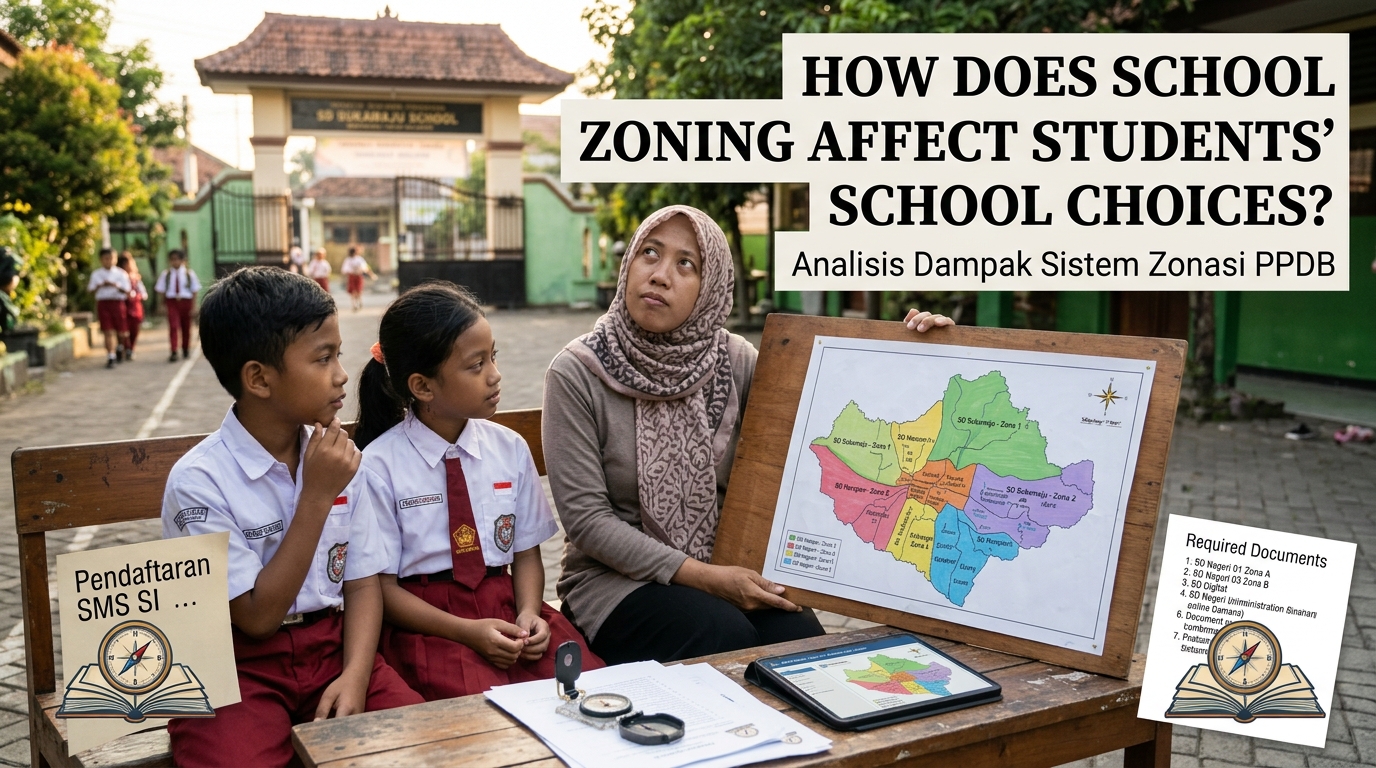
School zoning is an education policy that helps determine which schools students can apply to based on their residential location. This system is designed to make education more accessible, reduce travel distances, and distribute students more evenly among schools. However, it can also influence the freedom students and parents have when choosing a school. Understanding how school zoning affects students' school choices can help families prepare for school admissions and make informed educational decisions.
HOW SCHOOL ZONING INFLUENCES SCHOOL CHOICES
School zoning can limit or prioritize the schools available to students according to their home addresses. Instead of choosing any school freely, students may receive priority at schools located within their designated area. This approach encourages families to consider nearby schools before applying to schools farther away. As a result, residential location becomes an important factor in the admission process. However, the exact rules depend on the education system and regulations applied in each region.
School zoning can also change how parents evaluate schools. Families may focus more on the quality, facilities, and learning environment of nearby schools rather than choosing only the most popular institutions. This can encourage students to explore educational opportunities within their local communities. Nevertheless, some families may feel restricted if their preferred school is outside their eligible area. Therefore, school zoning can create both new opportunities and limitations for students.
THE BENEFITS OF CHOOSING A NEARBY SCHOOL
One important benefit of school zoning is that students have a better opportunity to attend schools close to home. Shorter travel distances can reduce transportation expenses and help students save time each day. Students may also feel less tired because they do not need to travel long distances to reach school. In addition, attending a nearby school can make it easier for parents to communicate with teachers and participate in school activities. These advantages can support students' comfort, safety, and learning readiness.
Nearby schools can also strengthen relationships between schools and local communities. Students may study with friends who live in the same neighborhood, making it easier to build friendships and participate in community activities. Parents can become more involved in school events because the location is more accessible. Over time, this may encourage stronger cooperation between families and educators. However, these benefits depend on whether nearby schools provide adequate facilities and quality education.
THE LIMITATIONS OF SCHOOL ZONING FOR STUDENTS
Although school zoning can improve access to nearby schools, it may reduce students' options when their preferred school is located outside their designated area. Some students may want to attend schools known for particular academic programs, extracurricular activities, or specialized facilities. If admission priority is based on residence, those preferences may not always determine the final school placement. This situation can be challenging for students whose educational interests do not match the options available nearby. Therefore, school choice may become more dependent on location than personal preference.
Another challenge arises when the quality of schools differs across neighborhoods. Students living near schools with limited facilities may have fewer convenient alternatives than students living near well-equipped institutions. Families who move to another area may also need to understand how their new address affects admission eligibility. These differences can influence how fairly students experience the zoning system. To address such concerns, education authorities need to improve school quality and provide clear, fair admission procedures.
HOW PARENTS CAN MAKE INFORMED SCHOOL CHOICES
Parents can prepare for school zoning by identifying nearby schools and learning about their admission requirements before registration begins. They should review official information from the relevant education office or school, including residential eligibility, required documents, available places, and selection criteria. It is also important to compare schools based on teaching quality, facilities, student support, and extracurricular opportunities. Looking beyond a school's popularity can help families find an environment that suits their children's learning needs. Careful preparation allows parents to make realistic and informed decisions.
Parents should also discuss school preferences with their children. Students may have specific interests, such as science, technology, sports, arts, or language learning, that can influence their educational experience. Families can consider whether nearby schools support these interests and whether other admission pathways are available under local regulations. In Indonesia, admission procedures under the Sistem Penerimaan Murid Baru (SPMB) may vary according to applicable national policies and local implementation rules. Checking official announcements is essential because eligibility requirements and selection processes can change. By gathering reliable information early, families can prepare for school admission with greater confidence.
THE ROLE OF SCHOOLS AND GOVERNMENT
Schools and education authorities play an important role in ensuring that school zoning provides meaningful choices for students. They need to communicate admission rules clearly so parents understand how residential location affects eligibility and selection. Authorities should also monitor school capacity, classroom availability, and the distribution of teachers and learning facilities. When schools across different neighborhoods offer comparable educational opportunities, families are less likely to feel that their choices depend entirely on where they live. Improving educational quality across all schools is therefore essential to the success of zoning policies.
In addition, education authorities should evaluate whether the zoning system meets the needs of different communities. They can gather feedback from parents, students, and schools to identify barriers and areas for improvement. Admission information should be accessible to families who have limited internet access or difficulty understanding administrative procedures. Clear complaint mechanisms can also help address errors or concerns during registration. Through regular evaluation and transparent communication, school zoning can become more effective and equitable.
CONCLUSION
School zoning affects students' school choices by connecting admission opportunities with residential location. It can make nearby schools more accessible, reduce transportation costs, and strengthen local community relationships. However, it may also limit access to preferred schools and create challenges when school quality differs between neighborhoods. Parents can respond by researching local schools, understanding admission requirements, and discussing educational goals with their children. Ultimately, the effectiveness of school zoning depends on fair implementation, transparent rules, and consistent efforts to improve the quality of education in every community.
Recent Posts

Bagaimana Sistem SKS pada Program Kuliah... 22.11.2026/56 View

How Does Technology Make Daily Evaluation... 21.11.2026/86 View

Apa Strategi Menghadapi Kesenjangan antara Kompetensi... 21.11.2026/84 View

Mengapa Inventaris Aset Penting bagi Kelancaran... 21.11.2026/82 View

When Should Musicians Join a Record... 21.11.2026/86 View
