

How Does Social Media Influence Personality Development Among Young People?
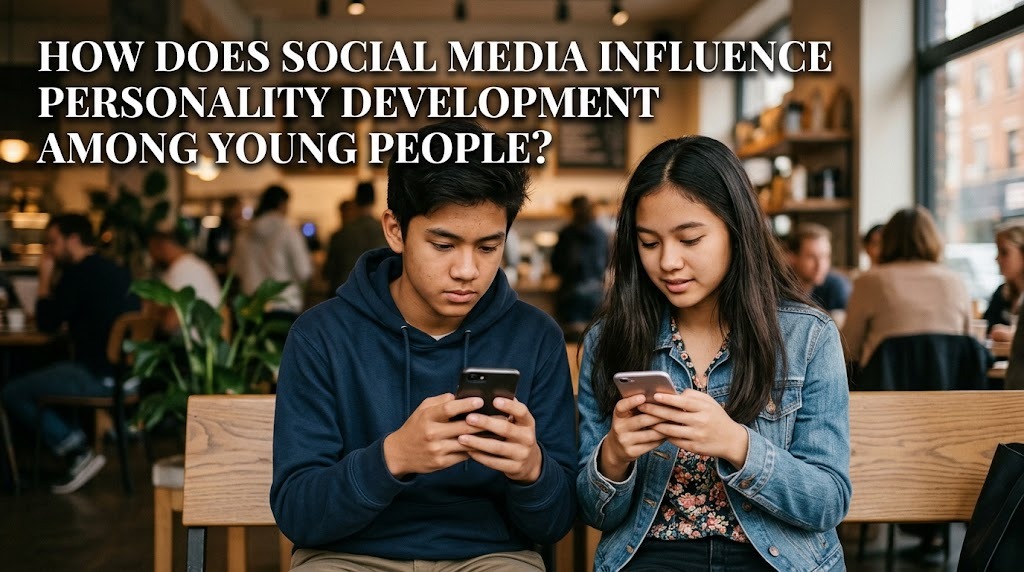
Social media has become an important part of everyday life, especially among young people. Platforms such as Instagram, TikTok, Facebook, and YouTube allow users to communicate, share experiences, discover information, and express themselves. Through these platforms, young people are exposed to different lifestyles, opinions, cultures, and social trends that can influence how they think and behave.
Personality development is a continuous process influenced by family, education, friendships, personal experiences, and the surrounding environment. Social media has also become one of the factors that contribute to this process. It can encourage creativity, confidence, and social awareness, but excessive use may also influence self-esteem, emotional stability, and social behavior. Understanding these effects is important so young people can use social media wisely while maintaining a positive personality.
WHAT IS THE RELATIONSHIP BETWEEN SOCIAL MEDIA AND PERSONALITY DEVELOPMENT?
Social media and personality development are connected because online interactions can influence how young people understand themselves and other people. The content they watch, conversations they participate in, and communities they follow can introduce new ideas, attitudes, and behavioral patterns. Over time, these experiences may influence their interests, communication styles, and ways of expressing themselves.
Young people also use social media to explore their identities and discover activities that match their interests. For example, someone who enjoys photography may join online communities to learn new techniques and share creative work. Another person may become interested in education, sports, or environmental activities after discovering inspiring content. These experiences can support personal growth, although individuals still need to evaluate information and avoid adopting every online trend without considering its consequences.
HOW DOES SOCIAL MEDIA INFLUENCE YOUNG PEOPLE'S SELF-CONFIDENCE?
Social media can influence self-confidence by providing opportunities for young people to express themselves and receive feedback from others. Sharing creative projects, achievements, opinions, and personal interests can help individuals feel appreciated and connected. Positive comments and supportive interactions may encourage them to develop their abilities and become more comfortable expressing their ideas.
However, social media can also create pressure to meet unrealistic expectations. Young people may compare their appearance, lifestyle, achievements, or popularity with carefully selected content shared by other users. This comparison can make some individuals feel less satisfied with themselves or believe that their lives are not as interesting as those of others. Developing self-confidence requires understanding that online content does not always represent someone's complete reality.
CAN SOCIAL MEDIA CHANGE YOUNG PEOPLE'S COMMUNICATION SKILLS?
Social media changes how young people communicate by making it easier to interact with others regardless of distance. Through messaging applications, comments, video calls, and online communities, individuals can exchange information and maintain friendships. These interactions may help them improve their ability to communicate with people from different backgrounds and understand various perspectives.
Nevertheless, excessive dependence on digital communication may reduce opportunities to practice direct social interaction. Face-to-face communication involves understanding facial expressions, body language, tone of voice, and emotional responses, which are not always fully conveyed through text messages. Therefore, young people need to balance online communication with real-life conversations. Maintaining this balance can help them develop stronger communication skills and healthier social relationships.
HOW DOES SOCIAL MEDIA AFFECT YOUNG PEOPLE'S EMOTIONAL DEVELOPMENT?
Social media can influence emotional development through the experiences and interactions young people encounter online. Positive content, supportive communities, and encouraging messages can create feelings of motivation, happiness, and belonging. Online platforms can also provide opportunities to discuss personal interests and connect with people who share similar experiences.
On the other hand, negative comments, cyberbullying, online conflicts, and excessive exposure to disturbing content can affect emotional well-being. Some young people may experience frustration, sadness, insecurity, or stress because of their online interactions. Learning to manage emotions, recognize harmful content, and take breaks from social media can help individuals maintain emotional balance. It is also important to seek support from trusted people when online experiences become overwhelming.
WHAT IS THE IMPACT OF SOCIAL MEDIA ON YOUNG PEOPLE'S BEHAVIOR?
Social media can influence behavior because young people are regularly exposed to different examples of how people communicate, dress, express opinions, and respond to situations. They may imitate positive behaviors, such as helping others, sharing useful information, supporting social campaigns, or developing healthy habits. Educational and inspirational content can also encourage them to become more productive and explore new interests.
However, not all online trends and behaviors are beneficial. Some content may promote aggressive communication, unrealistic lifestyles, risky challenges, or disrespectful attitudes. Young people who follow trends without considering their consequences may develop habits that negatively affect their daily lives. Developing critical thinking is therefore important so they can distinguish between positive influences and harmful online behavior.
HOW DOES SOCIAL MEDIA INFLUENCE YOUNG PEOPLE'S SOCIAL IDENTITY?
Social identity refers to how individuals understand themselves in relation to different social groups and communities. Social media allows young people to connect with people who share similar interests, values, hobbies, and experiences. Through these interactions, they can explore their identities, discover new perspectives, and develop a sense of belonging.
Online communities can also introduce young people to different cultures and ways of thinking. This exposure may encourage tolerance, open-mindedness, and appreciation of diversity. However, the desire to gain acceptance from online groups can sometimes pressure individuals to change their opinions or behavior just to fit in. Young people should understand that belonging to a community does not mean they must abandon their personal values or identity.
WHAT ARE THE POSITIVE EFFECTS OF SOCIAL MEDIA ON PERSONALITY DEVELOPMENT?
Social media can provide several benefits when used appropriately. One important advantage is the opportunity to develop creativity through photography, writing, video production, digital design, and other activities. Young people can share their work, receive constructive feedback, and discover new skills that support their personal development.
Another benefit is increased access to knowledge and educational opportunities. Social media allows users to follow informative accounts, participate in discussions, and learn about subjects beyond their school environment. It can also encourage confidence, independence, social awareness, and collaboration. When young people choose useful content and interact responsibly, social media can become a valuable tool for developing positive personality traits.
WHAT ARE THE NEGATIVE EFFECTS OF EXCESSIVE SOCIAL MEDIA USE?
Excessive social media use can create several challenges for young people's personality development. Spending too much time online may reduce opportunities for physical activities, direct communication, studying, and other productive routines. It can also interfere with sleep and make it difficult to maintain a healthy balance between digital activities and everyday responsibilities.
Another concern is the pressure to receive likes, comments, and followers. When individuals depend too much on online recognition, they may begin measuring their self-worth through the opinions of others. Exposure to cyberbullying, misleading information, and unhealthy comparisons can also influence their emotional well-being. These risks highlight the importance of developing healthy digital habits and maintaining a strong sense of personal identity.
HOW CAN YOUNG PEOPLE USE SOCIAL MEDIA WISELY FOR POSITIVE PERSONALITY DEVELOPMENT?
Young people can use social media wisely by choosing content that supports their interests, knowledge, and personal growth. Following educational accounts, creative communities, and positive role models can provide useful information and inspiration. They should also avoid content that encourages harmful behavior, unrealistic comparisons, or unnecessary online conflicts.
Managing screen time is another important step. Setting daily limits, avoiding excessive phone use before sleeping, and making time for offline activities can help maintain a balanced lifestyle. Young people should also think carefully before sharing information, commenting on other people's posts, or participating in online trends. By practicing digital responsibility and critical thinking, they can enjoy the benefits of social media without allowing it to control their behavior or self-image.
CONCLUSION
Social media influences personality development among young people through online communication, social interactions, exposure to information, and digital experiences. It can encourage creativity, confidence, social awareness, and knowledge when used positively. However, excessive use and negative online interactions may affect self-esteem, emotional stability, communication skills, and everyday behavior.
Therefore, young people need to develop healthy social media habits and understand that online popularity does not determine their personal value. Balancing digital activities with real-life experiences, maintaining positive relationships, and thinking critically about online content are essential steps toward healthy personality development. With responsible use, social media can become a useful tool for personal growth rather than a negative influence.
Recent Posts

Bagaimana Sistem SKS pada Program Kuliah... 22.11.2026/45 View

How Does Technology Make Daily Evaluation... 21.11.2026/73 View

Apa Strategi Menghadapi Kesenjangan antara Kompetensi... 21.11.2026/75 View

Mengapa Inventaris Aset Penting bagi Kelancaran... 21.11.2026/71 View

When Should Musicians Join a Record... 21.11.2026/75 View
