

How Does Social Media Influence the Development of Regional Accents?
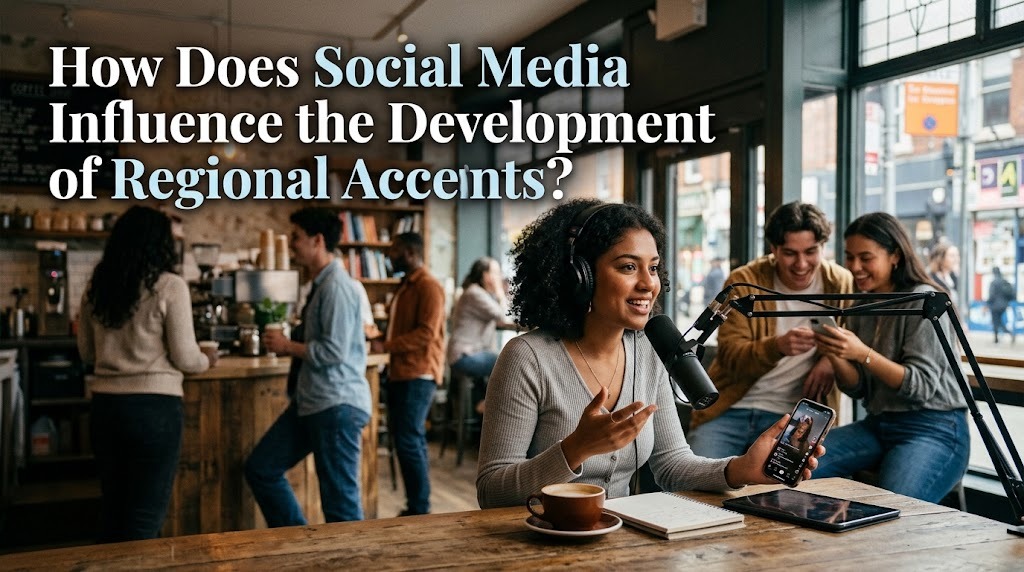
Social media has changed the way people communicate, share information, and learn new ways of speaking. Platforms such as TikTok, Instagram, YouTube, and Facebook expose users to different accents, pronunciation styles, slang, and expressions from around the world. As people watch videos, follow influencers, and interact with online communities, they may gradually adopt certain speech patterns that differ from those traditionally used in their local areas. This process can influence how regional accents develop, particularly among younger generations. Although social media can introduce new linguistic influences, it can also help preserve and promote regional accents by making local languages and cultural expressions more widely accessible.
SOCIAL MEDIA INCREASES EXPOSURE TO DIFFERENT ACCENTS
Social media allows people to hear accents from different regions without traveling or meeting speakers in person. Short videos, livestreams, podcasts, and online conversations expose users to various pronunciation patterns, speaking rhythms, and vocabulary choices. For example, someone in Indonesia may regularly watch English-speaking creators from the United States, the United Kingdom, or Australia. Through repeated exposure, the viewer may become familiar with particular pronunciation styles and begin imitating some of their features. This influence can occur naturally as people become accustomed to the speech patterns they hear most frequently.
Exposure to different accents does not mean that people will completely replace their original accents. Instead, they may adopt certain expressions, intonation patterns, or pronunciations while retaining characteristics of their regional speech. The extent of this influence depends on factors such as personal interests, language proficiency, social environment, and frequency of exposure. Some users deliberately practice a particular accent, while others acquire new speech habits without consciously noticing the changes. As a result, social media creates more opportunities for accents to interact and evolve.
ONLINE TRENDS INFLUENCE THE WAY YOUNG PEOPLE SPEAK
Young people are often highly engaged with social media trends, including viral videos, popular catchphrases, memes, and entertainment content. When a creator becomes popular, their distinctive way of speaking may spread among followers who imitate their pronunciation, tone, or expressions. These speech patterns can become part of everyday conversations, especially among friends who share similar online interests. Some users may even incorporate elements of foreign accents into their local speech because they find them entertaining or fashionable. Over time, repeated imitation can influence the way certain groups communicate.
However, adopting a speech feature from social media does not necessarily mean that a person's regional accent has permanently changed. Many online expressions are temporary trends that disappear when users move on to different content. Other features may become more established when they are repeatedly used in daily conversations and shared across social groups. The influence also varies between individuals because not everyone follows the same creators or participates in the same online communities. Therefore, social media can introduce new speaking habits, but the long-term development of regional accents depends on broader social and linguistic influences.
SOCIAL MEDIA ENCOURAGES THE MIXING OF REGIONAL ACCENTS
One important effect of social media is the increased interaction between people from different geographical backgrounds. Users can communicate through comments, voice messages, livestreams, and video calls, allowing regional accents to come into contact more frequently. During these interactions, people may borrow words, pronunciation patterns, or expressions from other communities. This process is related to language contact, in which different linguistic varieties influence one another through communication. As these exchanges continue, some speakers may develop mixed speech patterns that combine local features with influences from other regions.
In multilingual countries such as Indonesia, this process can involve regional languages, Indonesian, and foreign languages. A person might speak a local language at home, use Indonesian for wider communication, and adopt English expressions from online content. These language choices can influence vocabulary and speaking style, although borrowing words does not automatically change an accent. Pronunciation changes are more likely when speakers repeatedly imitate and use particular sounds or intonation patterns. Consequently, social media can contribute to more varied speech styles while existing regional characteristics remain recognizable.
SOCIAL MEDIA HELPS PRESERVE REGIONAL ACCENTS
Although social media can introduce outside influences, it can also support the preservation of regional accents. Local creators can produce videos, interviews, comedy sketches, podcasts, and educational content using their natural regional speech. These materials allow audiences to hear accents that may receive limited attention in mainstream television or other national media. They also create opportunities for younger generations to become familiar with the pronunciation, expressions, and cultural references of their communities. When local content attracts a wider audience, it can increase appreciation for regional ways of speaking.
Digital platforms can also help document accents for future generations. Recordings of local conversations, traditional storytelling, songs, and community discussions provide examples of how people speak in particular places and periods. Researchers and cultural organizations may use such materials to study changes in pronunciation and language use, provided the recordings are collected and used appropriately. Online communities can further encourage people living away from their hometowns to maintain connections with their native languages and accents. In this way, social media can function as a valuable resource for cultural preservation rather than simply a source of linguistic change.
THE ROLE OF INFLUENCERS IN ACCENT DEVELOPMENT
Influencers can shape the speech habits of their audiences because their content is frequently watched, shared, and discussed. Their accents, pronunciation, slang, and conversational styles may become familiar to followers through repeated exposure. Some viewers imitate these features because they admire a creator, identify with their online personality, or want to participate in a particular community. This influence can extend beyond individual words and expressions to include speaking rhythm and intonation. However, the degree of imitation differs depending on personal preferences and the social context in which people communicate.
Influencers can also increase the visibility of regional accents by using them confidently in their content. A creator who speaks with a distinctive local accent may encourage viewers to appreciate that accent rather than hide it. Comedy, storytelling, cultural education, and everyday lifestyle videos can demonstrate that regional speech is compatible with creativity and professional success. Nevertheless, creators should avoid presenting accents through harmful stereotypes that portray certain communities as less intelligent or less capable. Responsible representation can help audiences recognize regional accents as meaningful forms of linguistic and cultural diversity.
CHALLENGES OF SOCIAL MEDIA FOR REGIONAL ACCENTS
One challenge is that users may feel pressure to imitate popular accents because they believe those accents sound more modern, attractive, or professional. If local accents are frequently mocked or excluded from popular content, some speakers may become less comfortable using them publicly. This pressure can contribute to negative attitudes toward regional speech and reduce opportunities for local accents to be passed naturally between generations. However, these outcomes are not inevitable, and many people continue to value their original accents despite exposure to online trends. The effects depend on community attitudes, personal choices, and the representation of different accents across digital platforms.
Another challenge is that social media content does not always represent how people naturally speak in everyday situations. Creators may exaggerate an accent for entertainment, adopt a temporary speaking style, or use edited audio that changes the way their voices sound. As a result, viewers may develop inaccurate impressions of particular regional accents. Algorithms that repeatedly recommend similar content may also limit exposure to other linguistic varieties, depending on how users interact with the platform. Encouraging diverse content and critical listening can help audiences distinguish authentic regional speech from imitation or performance.
HOW TO BALANCE SOCIAL MEDIA INFLUENCE AND REGIONAL IDENTITY
People can benefit from social media's linguistic diversity while maintaining a connection with their regional accents. One practical approach is to continue using local speech in family conversations, community activities, and cultural events. Parents and older community members can share traditional stories and expressions with younger generations, while schools can introduce students to the cultural significance of regional languages and accents. These activities create opportunities for local speech to remain part of everyday life rather than existing only in historical recordings. They also help young people understand that learning new accents does not require abandoning their original ways of speaking.
Content creators and digital communities can contribute by producing material that features different regional accents respectfully. Users can follow local storytellers, musicians, educators, and community figures who represent their linguistic heritage. They can also share recordings and educational content that explain regional pronunciation and its cultural background. At the same time, people should be free to adapt their speech according to their circumstances without being judged for changing or retaining an accent. A balanced approach supports communication, individual expression, and the preservation of linguistic diversity.
CONCLUSION
Social media influences the development of regional accents by exposing people to different pronunciation styles, spreading popular speech patterns, and encouraging interaction between linguistic communities. These experiences can introduce new expressions and influence how people speak, particularly when certain styles are repeatedly heard and imitated. At the same time, social media provides valuable opportunities to document regional accents, share local traditions, and strengthen cultural identity. Its overall impact depends on how people use digital platforms and how regional speech is represented online. By embracing linguistic diversity and creating more opportunities for local voices to be heard, communities can benefit from social media while preserving the distinctive accents that connect them to their cultural roots.
Recent Posts

Bagaimana Sistem SKS pada Program Kuliah... 22.11.2026/54 View

How Does Technology Make Daily Evaluation... 21.11.2026/83 View

Apa Strategi Menghadapi Kesenjangan antara Kompetensi... 21.11.2026/82 View

Mengapa Inventaris Aset Penting bagi Kelancaran... 21.11.2026/78 View

When Should Musicians Join a Record... 21.11.2026/84 View
