

How Does Social Media Influence the Success of an Event Business?
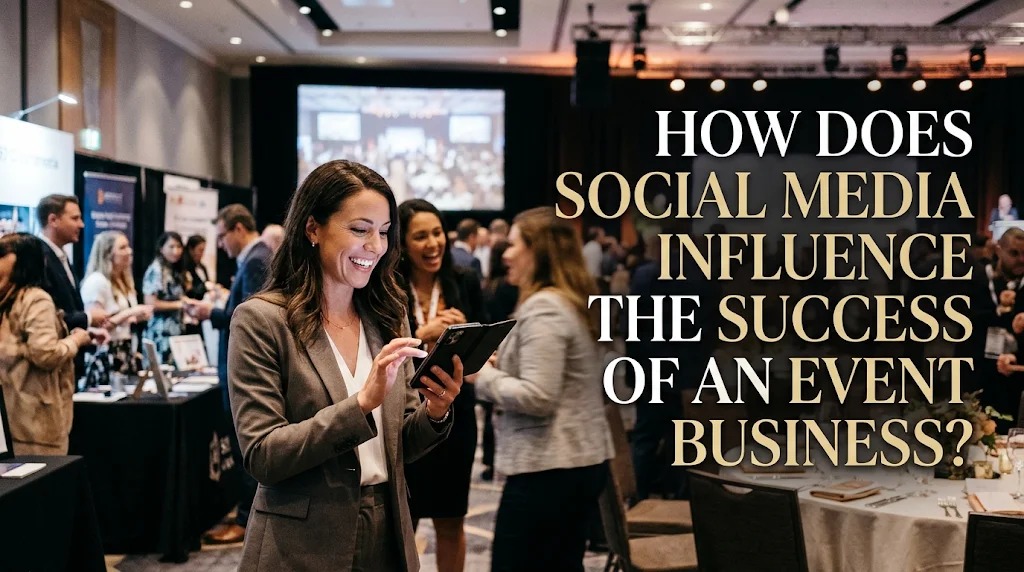
Social media has become an important marketing tool for businesses in the event industry. Platforms such as Instagram, Facebook, TikTok, and LinkedIn allow event organizers to promote their services, showcase previous projects, and communicate directly with potential clients. Through engaging content and consistent online activity, an event business can reach a wider audience without relying entirely on traditional advertising. Social media also helps companies build brand recognition, develop customer relationships, and attract new business opportunities. Understanding how these platforms influence business performance can help event organizers create more effective marketing strategies.
INCREASING BRAND AWARENESS AND ONLINE VISIBILITY
One of the main benefits of social media is its ability to increase brand awareness. Event businesses can use their accounts to introduce their services, share company information, and communicate their professional identity. Regular posts help audiences become familiar with the company's name, style, and areas of specialization. For example, an event organizer that frequently shares corporate conference projects can attract the attention of companies looking for similar services. Consistent branding also makes a business easier to recognize among competitors.
Social media can expand a company's visibility beyond its existing network of customers. When users share, comment on, or interact with promotional content, the business may reach people who have never encountered its services before. Short videos, event highlights, behind-the-scenes content, and informative posts can encourage audience engagement. Businesses can also use relevant hashtags and location information to make their content easier to discover. These activities help event organizers introduce their services to a broader audience and create more opportunities to attract potential clients.
SHOWCASING EVENT PORTFOLIOS AND SERVICE QUALITY
Social media provides an effective platform for displaying the results of previous event projects. Event organizers can upload photographs, videos, and short presentations showing decorations, stage arrangements, guest experiences, and event activities. This visual content helps potential clients understand the company's capabilities and creative approach. A well-organized portfolio can also demonstrate experience in managing different types of events. By showing real projects, businesses can provide clearer evidence of their service quality.
Behind-the-scenes content can make promotional activities more informative and engaging. For example, organizers can share preparation activities, team coordination, venue arrangements, and equipment setup. This type of content gives audiences an overview of the work involved in producing a successful event. Businesses should ensure that published materials are professional and that they have permission to share relevant photographs or videos. A consistent portfolio can strengthen credibility and help clients decide whether the company's services match their expectations.
REACHING POTENTIAL CLIENTS AND GENERATING BUSINESS LEADS
Social media helps event businesses connect with people and organizations that may need professional event services. Companies can publish content specifically designed for different audiences, such as businesses planning conferences, couples preparing weddings, or communities organizing public gatherings. Paid advertising can also help businesses target users based on relevant interests, locations, and other available audience characteristics. This approach makes promotional activities more focused than simply publishing general advertisements. As a result, social media can become an important channel for generating customer inquiries.
Businesses can use direct messages, comments, contact buttons, and inquiry forms to communicate with interested audiences. These features allow potential clients to ask questions about service packages, availability, budgets, and previous projects. Responding promptly and professionally can create a positive first impression. However, businesses should provide accurate information rather than making promises they cannot fulfill. By managing inquiries effectively, event organizers can turn online interactions into consultations and potential bookings.
BUILDING CUSTOMER RELATIONSHIPS AND BUSINESS CREDIBILITY
Social media allows event businesses to maintain communication with customers before and after an event. Organizers can share updates, answer questions, announce new services, and provide useful information about event preparation. Regular interaction helps customers feel that their concerns are being addressed. It also gives businesses opportunities to understand audience preferences and improve their services. Strong online communication can contribute to long-term customer relationships.
Customer reviews and testimonials can also influence the reputation of an event business. Positive feedback gives potential clients an idea of other customers' experiences and may increase their confidence in the company. Businesses can share testimonials with permission and respond professionally to both positive and negative comments. When complaints appear, addressing them respectfully and offering appropriate solutions can demonstrate accountability. Maintaining a professional online presence helps establish customer trust and supports a positive business reputation.
ANALYZING MARKETING PERFORMANCE AND FOLLOWING INDUSTRY TRENDS
Social media platforms provide analytical tools that help businesses evaluate the performance of their content and promotional campaigns. Event organizers can monitor indicators such as reach, impressions, engagement, profile visits, website clicks, and customer inquiries. These measurements help identify which types of content attract the most attention. For example, a business may discover that event videos generate more engagement than ordinary promotional images. This information can guide future content planning and advertising decisions.
Social media also helps event organizers observe changing customer preferences and industry developments. They can follow relevant businesses, industry professionals, suppliers, and event communities to discover new ideas and popular concepts. Trends in decoration, technology, entertainment, and event experiences can provide inspiration for developing services. However, businesses should evaluate trends carefully rather than adopting every popular idea. Choosing trends that match the company's identity and customer needs helps maintain a consistent brand while encouraging innovation.
CONCLUSION
Social media influences the success of an event business by increasing brand awareness, showcasing service quality, reaching potential clients, and strengthening customer relationships. It also provides valuable data for evaluating marketing performance and understanding industry trends. However, effective results require consistent content, professional communication, and a clear promotional strategy. Businesses should focus on providing useful information and presenting their real capabilities rather than relying only on frequent advertisements. By using social media strategically, an event management business can improve its online presence and create more opportunities for sustainable growth.
Recent Posts

Bagaimana Sistem SKS pada Program Kuliah... 22.11.2026/34 View

How Does Technology Make Daily Evaluation... 21.11.2026/68 View

Apa Strategi Menghadapi Kesenjangan antara Kompetensi... 21.11.2026/68 View

Mengapa Inventaris Aset Penting bagi Kelancaran... 21.11.2026/66 View

When Should Musicians Join a Record... 21.11.2026/67 View
