

How Does Social Media Influence Youth Morality?
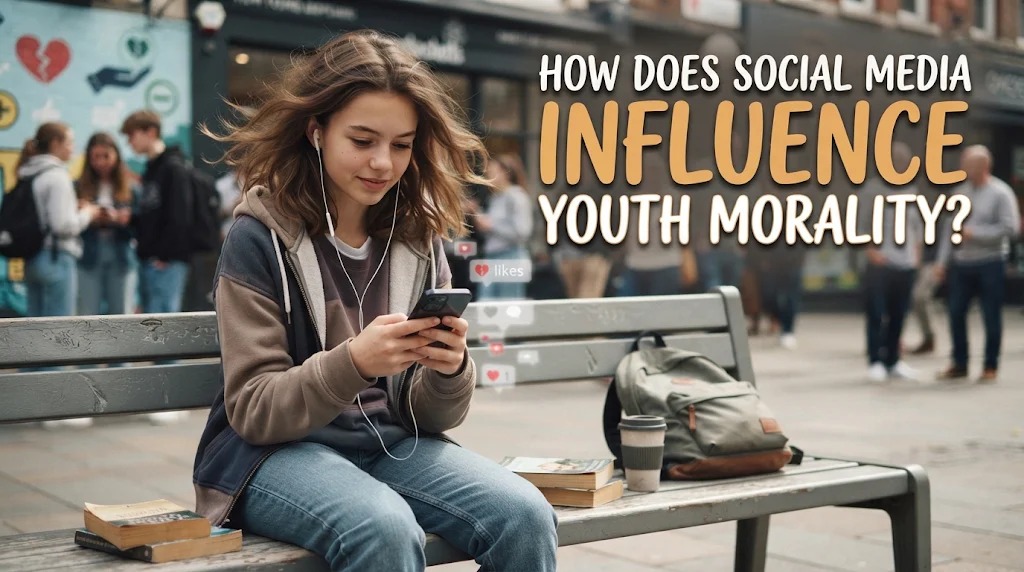
Social media has become an important part of young people's daily lives. Platforms such as Instagram, TikTok, and Facebook allow teenagers to communicate, share information, and express themselves easily. However, frequent social media use can influence their attitudes, behavior, and understanding of moral values. Positive content can encourage kindness and social awareness, while harmful content may promote dishonesty, disrespect, and negative behavior. Therefore, understanding the influence of social media is important for helping young people develop good character in the digital era.
EXPOSING YOUTH TO POSITIVE VALUES
Social media provides opportunities for young people to learn about kindness, honesty, responsibility, and respect. Educational content and inspirational messages can encourage teenagers to develop positive attitudes in their daily lives.
For example, social campaigns about helping others, protecting the environment, and respecting differences can increase social awareness. When young people engage with meaningful content, they can gain useful lessons and become more motivated to contribute positively to society.
ENCOURAGING NEGATIVE BEHAVIOR
Not all content on social media provides good examples. Some platforms contain harmful videos, offensive language, inappropriate challenges, and content that encourages disrespectful behavior.
Young people who frequently encounter such material may begin to consider negative actions as normal. Without proper guidance, they may imitate behaviors that conflict with moral values and social expectations.
INFLUENCING COMMUNICATION HABITS
Social media changes the way teenagers communicate with others. Although digital platforms make communication faster, they can also encourage people to use harsh language, spread rumors, or leave hurtful comments.
These habits may reduce awareness of how words affect other people. Learning to communicate politely and respectfully online is important for maintaining healthy relationships in both digital and real-life environments.
INCREASING THE RISK OF CYBERBULLYING
Cyberbullying is one of the serious problems associated with social media use among teenagers. It can involve insulting comments, threatening messages, spreading embarrassing photos, or intentionally humiliating others online.
This behavior reflects a lack of empathy and respect for other people's feelings. Moral education can help young people understand the consequences of cyberbullying and encourage them to treat others with kindness.
SHAPING ATTITUDES THROUGH SOCIAL INFLUENCE
Teenagers are often influenced by content creators, celebrities, and online communities. The opinions and lifestyles they see on social media can affect their attitudes, preferences, and decisions.
Positive role models can inspire young people to develop useful skills and responsible habits. However, following inappropriate trends or unrealistic lifestyles may encourage unhealthy behavior and reduce their ability to make independent decisions.
REDUCING EMPATHY AND SOCIAL INTERACTION
Excessive social media use can reduce opportunities for direct communication with family members, friends, and people in the surrounding environment. Teenagers may become more focused on online interactions than understanding the feelings of people around them.
Limited face-to-face communication can make it harder to develop empathy and social awareness. Balancing digital activities with real-life interactions helps young people maintain meaningful relationships and understand others better.
INFLUENCING HONESTY AND RESPONSIBILITY
Social media allows users to share information quickly, but it also makes spreading false information easier. Some teenagers may share unverified news, manipulate photos, or present misleading information to gain attention.
These actions can weaken honesty and responsibility in digital communication. Young people need to understand the importance of checking information, respecting privacy, and considering the consequences before posting or sharing content.
DEVELOPING DIGITAL MORAL AWARENESS
Digital moral awareness helps teenagers understand how to behave responsibly when using online platforms. It includes respecting others, protecting personal information, avoiding harmful content, and thinking carefully before interacting online.
Parents and teachers can support this development by providing guidance and discussing real examples of responsible digital behavior. With proper education, teenagers can use social media as a positive tool for learning, communication, and personal growth.
CONCLUSION
Social media influences youth morality in both positive and negative ways. It can encourage kindness, expand knowledge, and strengthen social awareness, but it may also promote cyberbullying, dishonesty, and disrespectful behavior. The impact depends on the content teenagers consume and how they use digital platforms. Therefore, parents, teachers, and young people should work together to develop digital awareness and maintain positive moral values.
Recent Posts

How Does Technology Make Daily Evaluation... 21.11.2026/57 View

Apa Strategi Menghadapi Kesenjangan antara Kompetensi... 21.11.2026/59 View

Mengapa Inventaris Aset Penting bagi Kelancaran... 21.11.2026/55 View

When Should Musicians Join a Record... 21.11.2026/54 View

Daily Evaluation or Daily Planning Which... 21.11.2026/61 View
