

How Does Sports Week Help Improve Regional Athletic Performance?
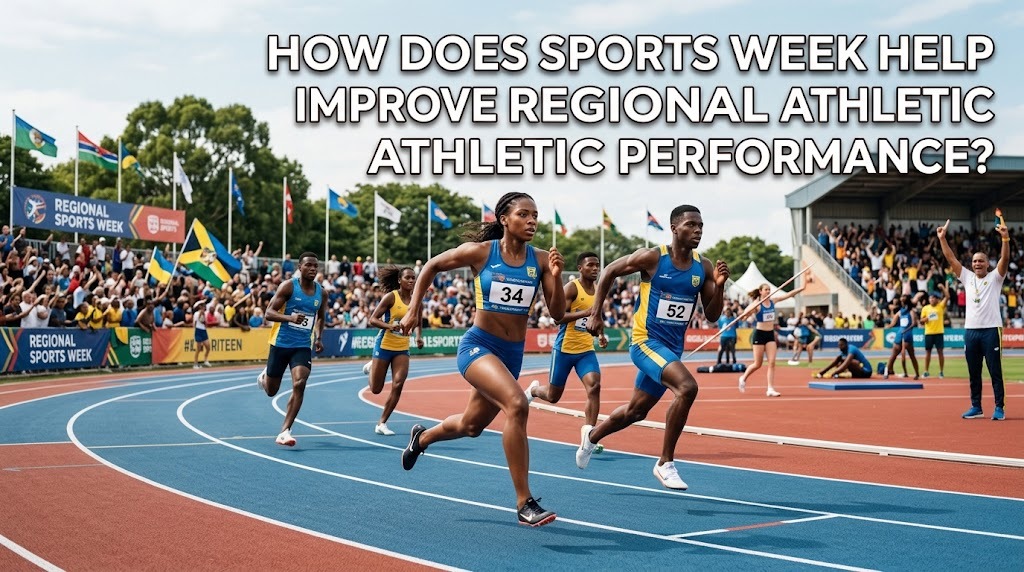
Sports Week is an important sporting event that can help improve athletic performance at the regional level. It provides athletes with opportunities to compete, develop their skills, evaluate their abilities, and gain valuable experience. Through organized competitions, athletes can identify their strengths and weaknesses while learning from other participants. Sports Week also encourages schools, sports clubs, local governments, and communities to support athletic development. When organized effectively, this event can become a foundation for discovering talented athletes and preparing them for higher-level competitions.
PROVIDING COMPETITION EXPERIENCE FOR ATHLETES
Sports Week gives athletes the opportunity to compete against participants with different abilities and levels of experience. These competitions help athletes understand how to perform under pressure while maintaining concentration and discipline. They can also learn how to manage their emotions, respond to unexpected situations, and make decisions during matches. Such experiences are valuable because athletic performance depends not only on physical ability but also on mental readiness. Regular competition can help athletes become more confident and prepared for future regional tournaments.
In addition, competition allows athletes to evaluate their progress under realistic conditions. Coaches can observe how athletes apply their training, respond to opponents, and follow tactical instructions. The results can reveal areas that require further improvement, including endurance, speed, coordination, and decision-making. Athletes can then use this information to adjust their training programs. Through continuous evaluation and practice, Sports Week can support more consistent athletic development.
IDENTIFYING TALENTED REGIONAL ATHLETES
One of the major benefits of Sports Week is its potential to identify talented athletes from different schools, clubs, and communities. Some athletes may have strong abilities but limited access to formal competitions or professional training facilities. Regional sporting events give them a chance to demonstrate their potential in front of coaches, selectors, and sports organizations. Outstanding performances can attract attention and create opportunities for further development. This process can help expand the pool of athletes available for regional teams.
However, talent identification should consider more than competition results alone. Coaches should also evaluate athletes' technical skills, physical development, consistency, discipline, and potential for improvement. Fair selection procedures are important to ensure that athletes from different backgrounds receive appropriate opportunities. Young athletes should also be assessed according to their age and stage of development. With a transparent selection process, Sports Week can contribute to building a stronger and more inclusive regional sports system.
IMPROVING ATHLETIC SKILLS AND TECHNIQUES
Sports Week encourages athletes to refine their technical skills through direct competition and practical experience. In sports such as football, basketball, badminton, volleyball, and athletics, participants must apply specific techniques while responding to changing conditions. Competing against different opponents can reveal weaknesses that may not become apparent during ordinary training sessions. Athletes can learn to improve their movement, coordination, accuracy, and tactical awareness. These lessons can help them become more effective and adaptable competitors.
Coaches also play an important role in turning competition experience into measurable progress. After each match or event, they can review performance, provide constructive feedback, and recommend targeted exercises. For example, a badminton player may need to improve footwork, while a runner may benefit from better pacing and running technique. Athletes can then practice these areas before participating in future competitions. This cycle of competition, evaluation, and training helps develop stronger regional athletic performance over time.
STRENGTHENING PHYSICAL FITNESS AND ENDURANCE
Strong physical fitness is essential for athletes who want to perform consistently in regional competitions. Sports Week motivates participants to prepare through structured training that develops strength, speed, flexibility, coordination, and cardiovascular endurance. The specific requirements depend on the sport, since a sprinter needs different physical qualities from a long-distance runner or a basketball player. By understanding these demands, athletes and coaches can design more suitable training programs. Consistent preparation can help athletes improve performance and maintain their abilities throughout a competition.
Nevertheless, physical development requires a balanced approach rather than excessive training. Athletes need adequate rest, nutritious food, sufficient hydration, and gradual increases in exercise intensity. Overtraining can cause fatigue, reduce performance, and increase the risk of injury. Coaches should therefore monitor athletes' condition and adjust training loads when necessary. Sports Week can promote better athletic standards when physical preparation is combined with responsible recovery practices.
DEVELOPING MENTAL STRENGTH AND DISCIPLINE
Mental strength is an important factor in regional athletic performance because athletes must often handle pressure, setbacks, and challenging opponents. Sports Week provides opportunities to practice concentration, patience, emotional control, and confidence. Athletes may experience disappointment after losing a match, but these experiences can teach them to evaluate mistakes and prepare more effectively. Learning to remain focused during difficult situations can improve performance in future competitions. Mental preparation is particularly valuable when physical abilities between competitors are relatively similar.
Discipline is equally important because athletic progress depends on consistent effort over time. Athletes must follow training schedules, respect competition rules, listen to coaches, and maintain healthy routines. Sports Week can reinforce these habits by encouraging participants to take preparation and performance seriously. Coaches can support mental development by setting realistic goals and providing constructive feedback instead of focusing only on winning. As athletes develop discipline and resilience, they become better prepared to represent their schools, clubs, or regions.
ENCOURAGING COACHING DEVELOPMENT AND TRAINING EVALUATION
Sports Week provides coaches with an opportunity to evaluate the effectiveness of their training methods. By observing athletes in actual competition, coaches can determine whether their programs improve technical ability, physical fitness, and tactical understanding. They can also identify problems involving teamwork, communication, or decision-making. These observations provide a practical basis for revising training plans. As a result, the event can improve not only individual athletic performance but also the quality of regional coaching.
The event can also encourage collaboration among coaches from different schools, clubs, and sports organizations. They may exchange training ideas, discuss athlete development, and learn from one another's experiences. Workshops and post-competition evaluations can make this exchange more useful. Coaches should also receive appropriate education about injury prevention, athlete nutrition, recovery, and age-appropriate training. Better coaching practices can create a more supportive environment in which athletes develop their abilities safely and consistently.
STRENGTHENING REGIONAL SPORTS INFRASTRUCTURE AND SUPPORT
Improving regional athletic performance requires more than talented athletes and effective training. Sports Week can highlight the need for suitable facilities, safe equipment, qualified coaches, medical support, and accessible training opportunities. When an event attracts public attention, local governments, schools, sports organizations, and sponsors may become more aware of these needs. This awareness can encourage investment in facilities and development programs. Better access to sports infrastructure gives athletes more opportunities to train consistently and prepare for higher-level competitions.
Community involvement is also important for maintaining long-term athletic development. Parents, schools, local businesses, and sports clubs can help provide financial assistance, equipment, transportation, and encouragement. Organizers should ensure that support reaches athletes fairly and that facilities are maintained after the event ends. Regional sports programs also benefit from clear development plans and regular performance evaluations. With sustained investment and cooperation, Sports Week can become part of a broader effort to improve the quality and competitiveness of regional athletes.
PREPARING ATHLETES FOR HIGHER LEVEL COMPETITIONS
Sports Week can serve as a stepping stone for athletes who want to participate in district, provincial, national, or other higher-level competitions. It helps them understand competition procedures, manage performance expectations, and gain experience against unfamiliar opponents. Athletes who perform well may be considered for further training or selection, depending on the rules established by the relevant sports organizations. Even those who do not win can benefit from identifying weaknesses and setting new goals. This experience can make future competitions less intimidating and more productive.
To turn these opportunities into lasting progress, organizers and sports authorities should establish follow-up development programs. Selected athletes may need specialized coaching, fitness assessments, competition schedules, and appropriate recovery plans. Performance should be evaluated over time rather than based on a single result. Athletes should also receive guidance on balancing sports with education, work, and personal well-being. With consistent support, Sports Week can contribute to a stronger pathway from local participation to higher-level athletic achievement.
CONCLUSION
Sports Week helps improve regional athletic performance by providing competition experience, identifying talented athletes, developing technical skills, and strengthening physical and mental readiness. It also supports better coaching, encourages investment in sports facilities, and creates opportunities for athletes to progress to higher-level competitions. However, lasting improvement requires consistent training, fair selection, qualified coaching, injury prevention, and continued support after the event. Schools, sports clubs, local governments, and communities all have important roles in this process. When these elements work together, Sports Week can contribute to a more competitive, inclusive, and sustainable regional sports environment.
Recent Posts

Bagaimana Sistem SKS pada Program Kuliah... 22.11.2026/56 View

How Does Technology Make Daily Evaluation... 21.11.2026/84 View

Apa Strategi Menghadapi Kesenjangan antara Kompetensi... 21.11.2026/83 View

Mengapa Inventaris Aset Penting bagi Kelancaran... 21.11.2026/79 View

When Should Musicians Join a Record... 21.11.2026/85 View
