

How Does Sports Week Promote Sportsmanship Among Participants?
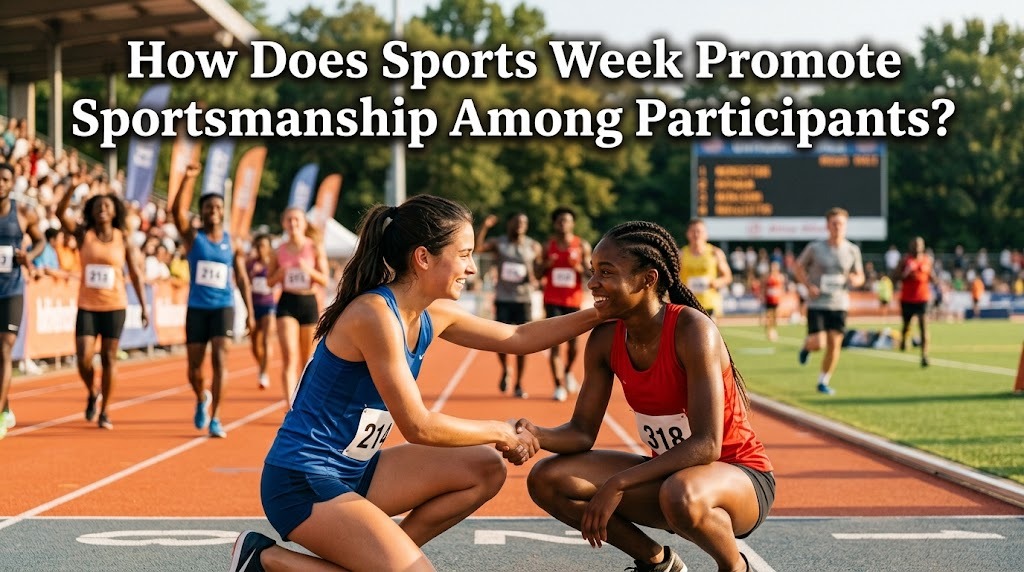
Sports Week is an important activity that brings people together through various sports competitions. It provides participants with opportunities to improve their physical abilities, build friendships, and learn valuable life lessons. One of the most important lessons is sportsmanship, which means showing respect, fairness, honesty, and responsibility during sports activities. Through friendly competition, participants learn that winning is not the only measure of success. Sports Week also teaches them how to accept defeat, appreciate other people's achievements, and maintain positive relationships with teammates and opponents.
UNDERSTANDING THE MEANING OF SPORTSMANSHIP
Sportsmanship refers to the attitudes and behaviors that demonstrate fairness, respect, honesty, and self-control during sports activities. It encourages participants to follow the rules, respect referees, and treat opponents fairly, regardless of the competition's outcome. Good sportsmanship also means recognizing that every participant deserves an equal opportunity to compete and demonstrate their abilities. These values are important because sports competitions can create pressure, excitement, and strong emotions. By practicing sportsmanship during Sports Week, participants learn to manage their emotions and maintain a positive attitude in challenging situations.
Sportsmanship is not limited to athletes who win competitions or demonstrate exceptional skills. It also includes participants who encourage their teammates, accept decisions peacefully, and congratulate their opponents. These behaviors help create a safe and enjoyable sporting environment for everyone. When sportsmanship becomes a shared value, competitions become opportunities for personal growth rather than simply a struggle to achieve victory.
TEACHING FAIR PLAY AND HONESTY
Sports Week promotes fair play by encouraging participants to follow the rules and compete honestly. Every competition has regulations designed to ensure that participants have a fair chance to succeed. When athletes follow these rules, they learn that achievements should come from genuine effort, preparation, and ability rather than cheating or unfair advantages. Referees and organizers also help maintain fairness by applying the rules consistently. These experiences teach participants that honesty is essential for building trust in sports and everyday life.
Fair play also involves accepting mistakes and taking responsibility for personal actions. For example, a participant who admits a rule violation demonstrates integrity, even when the mistake could affect the final result. This behavior shows that maintaining personal values is more important than winning at any cost. By repeatedly practicing honesty during Sports Week, participants can develop responsible habits that benefit their education, friendships, and future professional lives.
ENCOURAGING RESPECT FOR OPPONENTS AND OFFICIALS
Respect is one of the main foundations of sportsmanship. During Sports Week, participants meet people with different abilities, backgrounds, personalities, and competitive experiences. They learn to respect opponents by avoiding insults, offensive gestures, and deliberate actions intended to cause harm. They also learn to appreciate the effort that others put into preparing for competitions. These interactions help participants understand that every competitor deserves dignity, regardless of their performance or final position.
Respect also extends to referees, coaches, teachers, and event organizers who help competitions run smoothly. Participants may sometimes disagree with a referee's decision, but they should express their concerns politely and follow the established procedures. Learning to accept decisions without aggression helps develop patience and emotional control. These lessons encourage participants to communicate constructively, resolve disagreements peacefully, and maintain healthy relationships during and after Sports Week.
DEVELOPING TEAMWORK AND MUTUAL SUPPORT
Many Sports Week activities require participants to cooperate with teammates to achieve shared goals. Team sports such as football, volleyball, and basketball encourage players to communicate, coordinate strategies, and support one another throughout the competition. Participants learn that individual talent is valuable, but teamwork is often essential for achieving success. They also discover the importance of trusting their teammates and recognizing each person's contribution. These experiences strengthen cooperation and teach participants to value collective effort rather than focusing only on personal achievements.
Mutual support is equally important when a team faces difficulties or loses a match. Instead of blaming teammates for mistakes, participants can offer encouragement and discuss how to improve their performance. This approach creates a positive atmosphere in which everyone feels valued and motivated to learn. Sports Week therefore helps participants understand that good sportsmanship includes celebrating shared achievements, supporting others during difficult moments, and treating every team member with consideration.
TEACHING PARTICIPANTS TO ACCEPT VICTORY AND DEFEAT
One of the most valuable lessons from Sports Week is learning how to respond appropriately to both winning and losing. Winning can bring happiness and pride, but participants must learn to celebrate their achievements without humiliating or disrespecting others. Congratulating opponents and acknowledging their efforts demonstrate maturity and genuine appreciation for competition. These actions help prevent excessive pride and encourage participants to remain humble. They also show that success should strengthen positive relationships rather than create unnecessary conflict.
Losing is another important opportunity to develop sportsmanship. Participants may feel disappointed when their performance does not meet their expectations, but they can learn to accept the result calmly and identify areas for improvement. Coaches and teachers can help by emphasizing effort, progress, and learning instead of focusing exclusively on medals or trophies. Through these experiences, participants develop resilience and understand that setbacks are a normal part of personal development. This mindset encourages them to continue practicing, learn from mistakes, and approach future competitions with renewed motivation.
BUILDING EMOTIONAL CONTROL AND DISCIPLINE
Sports competitions often involve pressure, intense excitement, and unexpected situations. Sports Week gives participants opportunities to practice controlling their emotions when facing difficult opponents, unfavorable decisions, or disappointing results. Instead of responding with anger or aggressive behavior, they can learn to pause, remain calm, and communicate respectfully. Emotional control helps prevent arguments and promotes a more comfortable environment for all participants. It also teaches them that strong emotions can be managed without harming other people.
Discipline is closely connected to emotional control because participants must follow schedules, respect instructions, and maintain appropriate behavior throughout the event. They are expected to arrive on time, prepare properly, follow competition rules, and take responsibility for their commitments. These habits help participants become more organized and dependable. By combining discipline with emotional awareness, Sports Week encourages behaviors that are useful not only in sports but also in classrooms, workplaces, and social relationships.
STRENGTHENING POSITIVE RELATIONSHIPS THROUGH SPORTS
Sports Week creates opportunities for participants to interact with people they might not usually meet in their daily activities. Shared competitions encourage communication, friendship, and mutual understanding among students, athletes, and members of different groups. When participants compete respectfully, they can develop relationships based on trust and appreciation rather than rivalry. Friendly interactions before and after matches also help reduce misunderstandings and build a stronger sense of belonging. As a result, sports become a way to connect people through shared experiences and common goals.
Positive relationships can continue even after Sports Week ends. Participants who learn to appreciate different abilities and perspectives may become more supportive in their schools, communities, and social circles. They can also influence others by demonstrating respectful behavior and encouraging fair competition. Organizers can strengthen this impact by recognizing acts of kindness, teamwork, and honesty alongside sporting achievements. In this way, Sports Week can contribute to a culture of respect and cooperation that extends beyond the playing field.
THE ROLE OF ORGANIZERS IN PROMOTING SPORTSMANSHIP
Organizers, teachers, coaches, and referees play an important role in ensuring that Sports Week promotes positive values. They can establish clear rules, explain expectations before competitions, and apply penalties fairly when participants behave inappropriately. They should also demonstrate respectful communication and fair decision-making because participants often learn from the behavior of adults around them. A well-organized event makes sportsmanship an essential part of the competition rather than an optional expectation. This approach helps participants understand that character and behavior matter as much as athletic performance.
Organizers can further encourage sportsmanship by recognizing participants who show honesty, respect, cooperation, and self-control. Awards for fair play or outstanding teamwork can highlight the importance of positive behavior alongside traditional prizes for winners. Providing guidance after conflicts or disagreements also helps participants understand their mistakes and improve their conduct. When these practices are applied consistently, Sports Week becomes a meaningful educational activity that develops both athletic abilities and personal character.
CONCLUSION
Sports Week promotes sportsmanship by teaching participants to compete fairly, respect opponents, cooperate with teammates, and accept both victory and defeat with maturity. It also helps develop emotional control, discipline, honesty, and positive relationships. These values become stronger when organizers, teachers, and coaches consistently demonstrate and reward good behavior. Ultimately, the success of Sports Week should not be measured only by medals or competition results, but also by the positive attitudes and life skills participants develop. By practicing sportsmanship, participants can become more responsible athletes and respectful members of their communities.
Recent Posts

Bagaimana Sistem SKS pada Program Kuliah... 22.11.2026/54 View

How Does Technology Make Daily Evaluation... 21.11.2026/83 View

Apa Strategi Menghadapi Kesenjangan antara Kompetensi... 21.11.2026/82 View

Mengapa Inventaris Aset Penting bagi Kelancaran... 21.11.2026/78 View

When Should Musicians Join a Record... 21.11.2026/84 View
