

How Does State Budget Preparation Affect National Development?
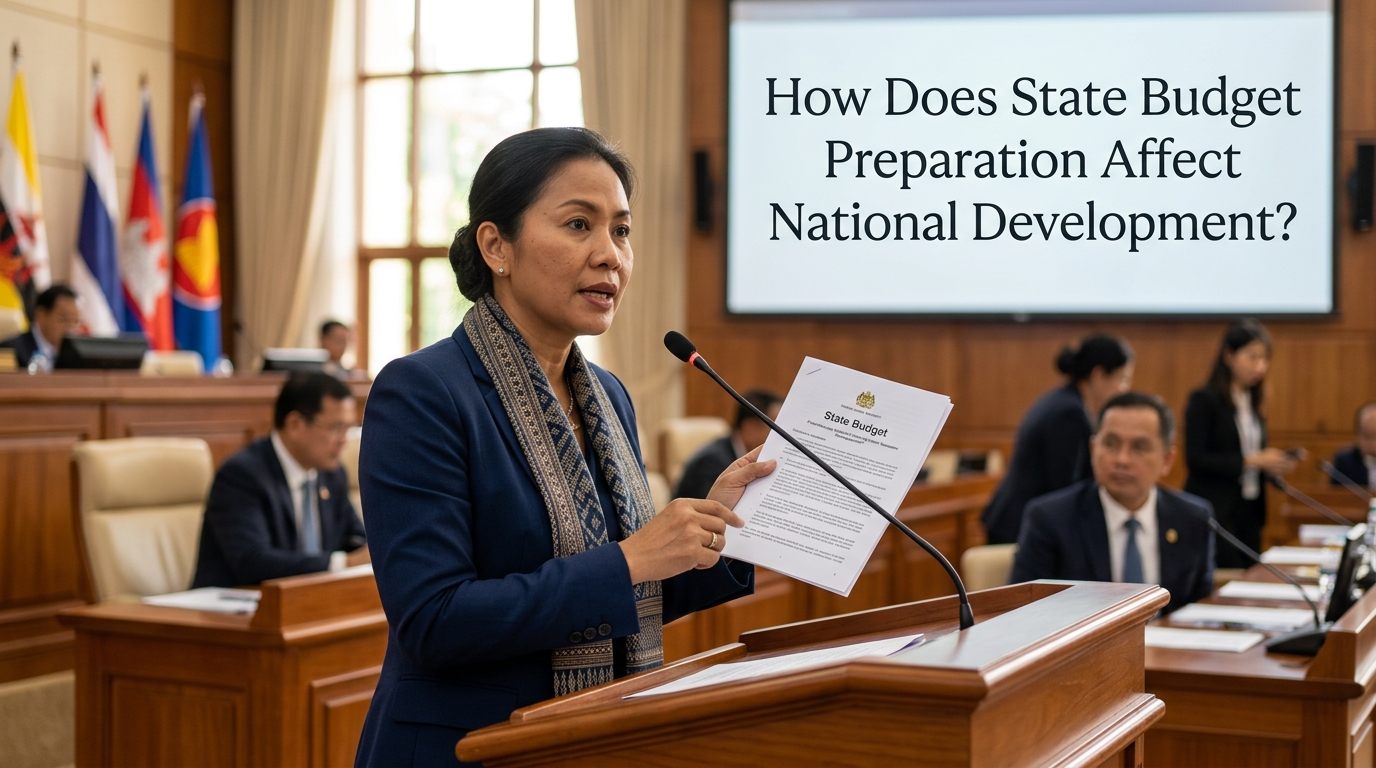
State budget preparation is an important process that determines how a government manages public money to support national development. Through careful planning, the government can allocate funds for education, healthcare, infrastructure, economic growth, and social welfare. A well-prepared state budget helps ensure that public resources are used efficiently and that development programs meet the needs of society. In Indonesia, the State Budget or Anggaran Pendapatan dan Belanja Negara (APBN) serves as a key instrument for implementing national development priorities. Understanding its impact helps explain how government financial decisions influence people's lives and the country's future.
THE ROLE OF STATE BUDGET PREPARATION IN NATIONAL DEVELOPMENT
State budget preparation helps the government establish development priorities based on national needs and available financial resources. The process involves estimating state revenue, planning public expenditure, and determining which programs should receive funding. These decisions influence the construction of public facilities, the quality of public services, and the implementation of economic policies. By setting clear priorities, the government can direct funds toward programs that provide the greatest benefits to society. Therefore, effective budget planning is an important foundation for sustainable and inclusive national development.
SUPPORTING INFRASTRUCTURE DEVELOPMENT
Infrastructure is one of the main areas affected by state budget preparation. Government funding can support the construction and maintenance of roads, bridges, ports, public transportation, irrigation systems, and electricity networks. Reliable infrastructure makes it easier for people to travel, businesses to distribute goods, and communities to access essential services. Good budget planning also helps ensure that infrastructure projects are selected according to public needs and long-term development goals. When funds are allocated effectively, infrastructure investment can improve regional connectivity and encourage economic activity.
IMPROVING EDUCATION AND HEALTHCARE SERVICES
State budget preparation plays a significant role in improving the quality of education and healthcare. Through appropriate funding, the government can support school facilities, teacher development, educational assistance, hospitals, community health centers, and public health programs. These investments help people gain better access to learning opportunities and essential medical services. Education and healthcare funding also contributes to the development of a healthier and more skilled workforce. In the long term, stronger human resources can increase productivity and support national competitiveness.
ENCOURAGING ECONOMIC GROWTH AND JOB CREATION
A well-planned state budget can stimulate economic growth by supporting productive sectors and creating opportunities for businesses. Government spending on infrastructure, public services, and development programs can increase demand for goods and services. This activity may encourage businesses to expand operations and recruit additional workers. The government can also provide support for micro, small, and medium enterprises (MSMEs) through appropriate programs that improve access to financing, training, and markets. However, the benefits depend on how efficiently funds are used and whether spending supports sustainable economic activity.
REDUCING POVERTY AND INCOME INEQUALITY
National development should improve living standards across different social and economic groups. State budget preparation allows the government to allocate funding for social assistance, poverty reduction, affordable public services, and community empowerment programs. These programs can help vulnerable households meet basic needs and gain better access to education, healthcare, and economic opportunities. Budget planning can also prioritize disadvantaged regions to reduce development gaps between urban and rural communities. When assistance is properly targeted and regularly evaluated, public spending can contribute to a fairer distribution of development benefits.
PROMOTING REGIONAL DEVELOPMENT
Differences in infrastructure, public services, and economic opportunities can create inequality between regions. Through state budget preparation, the government can support regional development by allocating funds for transfers to regional governments and national programs that benefit local communities. These funds may help finance public facilities, local infrastructure, education, healthcare, and community services. Balanced regional development allows more areas to participate in national economic growth rather than concentrating opportunities in major cities. Effective coordination between central and regional governments is essential to ensure that funding matches local priorities and produces measurable results.
ENSURING TRANSPARENCY AND ACCOUNTABILITY
The impact of state budget preparation depends not only on the amount of money allocated but also on how public funds are managed. Transparent planning allows the public to understand government priorities and the reasons behind spending decisions. Accountability mechanisms, including budget oversight, financial reporting, and audits, help identify waste and reduce the risk of corruption. In Indonesia, the House of Representatives (DPR) participates in discussing and approving the APBN, while the Audit Board of Indonesia (BPK) examines state financial management and accountability. Strong oversight helps ensure that public money supports legitimate development goals and delivers meaningful results.
OVERCOMING CHALLENGES IN STATE BUDGET PREPARATION
The government faces several challenges when preparing a state budget, including limited revenue, competing public needs, economic uncertainty, and unexpected emergencies. Rising costs or weaker economic growth can affect the amount of money available for development programs. To address these challenges, the government needs realistic revenue estimates, clear spending priorities, and careful evaluation of proposed projects. Performance-based budgeting can help decision-makers assess whether programs are achieving their intended objectives. Regular monitoring and adjustments are also important to ensure that development spending remains effective as national conditions change.
CONCLUSION
State budget preparation directly influences national development by determining how public resources are distributed across infrastructure, education, healthcare, economic programs, and social protection. Careful planning helps the government address public needs, strengthen economic growth, reduce inequality, and improve the quality of life. However, a large budget alone does not guarantee successful development. The government must ensure that spending is efficient, transparent, accountable, and aligned with measurable outcomes. With sound planning and effective oversight, the state budget can become a powerful instrument for building a more prosperous and sustainable nation.
Recent Posts

Bagaimana Sistem SKS pada Program Kuliah... 22.11.2026/47 View

How Does Technology Make Daily Evaluation... 21.11.2026/75 View

Apa Strategi Menghadapi Kesenjangan antara Kompetensi... 21.11.2026/76 View

Mengapa Inventaris Aset Penting bagi Kelancaran... 21.11.2026/73 View

When Should Musicians Join a Record... 21.11.2026/76 View
