

How Does State Budget Preparation Allocate Funds for Education and Healthcare?
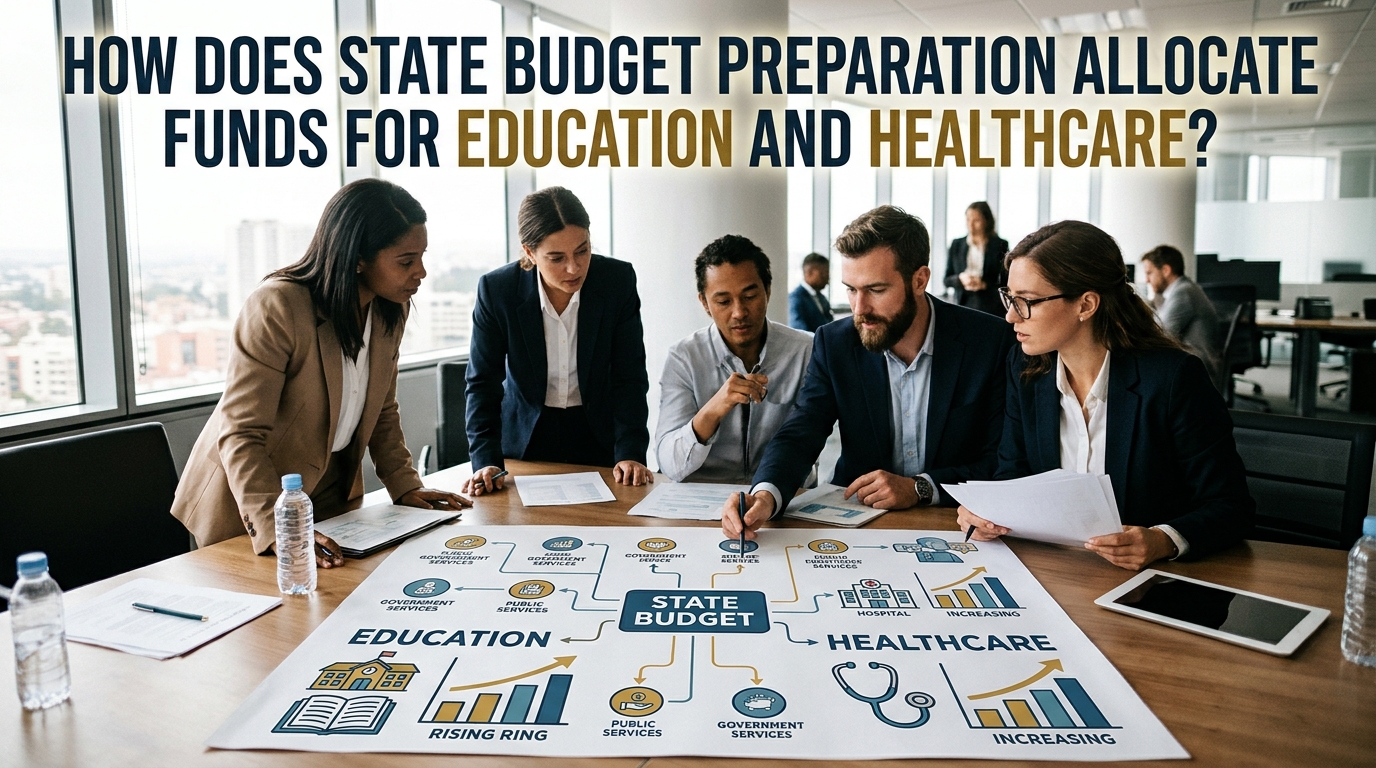
State budget preparation plays an important role in determining how much public money is allocated to essential services, including education and healthcare. These two sectors are fundamental to improving people's quality of life, strengthening human resources, and supporting long-term national development. In Indonesia, the State Budget or Anggaran Pendapatan dan Belanja Negara (APBN) provides funding for national education and healthcare programs alongside other government priorities. The government considers public needs, economic conditions, available revenue, and development targets when planning these allocations. Through careful budget planning, public funds can be directed toward services that create meaningful and lasting benefits for society.
IDENTIFYING EDUCATION AND HEALTHCARE PRIORITIES
The government begins by identifying the most important needs in education and healthcare. In education, priorities may include improving school facilities, supporting teachers, providing learning materials, and expanding access to education. In healthcare, priorities may include strengthening hospitals and community health centers, improving medical equipment, and expanding essential health services. Officials also consider population growth, regional inequalities, service quality, and the needs of vulnerable communities. These assessments help establish clear spending priorities before the government decides how much funding each program requires.
ESTIMATING AVAILABLE STATE REVENUE
The amount of funding available for education and healthcare depends partly on the government's expected revenue. Indonesia's state revenue comes mainly from tax revenue, non-tax state revenue, and grants. The government estimates these sources by considering economic growth, tax collection, natural resource income, and other financial conditions. It then balances proposed spending against available resources and other national obligations. Realistic revenue estimates help the government create a budget that supports essential services without making unsustainable financial commitments.
ALLOCATING FUNDS FOR EDUCATION
Education funding supports the development of knowledge, skills, and opportunities for Indonesian citizens. The government can allocate funds for schools, teachers, scholarships, educational assistance, vocational training, and improvements in learning facilities. Indonesia's Constitution requires the state to prioritize at least 20 percent of the state budget and regional budgets for education, subject to the applicable constitutional and legal framework. Education spending may be delivered through central government ministries, transfers to regional governments, and other authorized programs. Proper allocation helps improve access to education and reduce differences in learning opportunities between communities.
ALLOCATING FUNDS FOR HEALTHCARE
Healthcare funding aims to improve public health and ensure that people can access essential medical services. Budget allocations may support hospitals, community health centers, disease prevention, maternal and child health, medical personnel, and health insurance subsidies. The government also considers the cost of medicines, medical equipment, and healthcare facilities when preparing spending plans. Funding may be distributed through central government programs and transfers that support regional healthcare responsibilities. Effective healthcare budgeting helps strengthen the health system and improve its ability to respond to routine medical needs and public health emergencies.
CONSIDERING REGIONAL NEEDS AND INEQUALITY
Education and healthcare needs differ across Indonesia's provinces, districts, and cities. Some regions require additional schools and teachers, while others need better healthcare facilities, medical personnel, or transportation to reach essential services. The government considers these differences when planning national programs and transfers to regional governments. Regional authorities also prepare their own budgets based on local priorities and available financial resources. By supporting areas with significant service gaps, needs-based funding can help reduce inequality and make education and healthcare more accessible.
COORDINATING GOVERNMENT INSTITUTIONS
Education and healthcare budget preparation requires cooperation among several government institutions. The Ministry of Finance coordinates fiscal planning and helps compile the national budget, while relevant ministries develop sectoral programs and spending proposals. The Ministry of Primary and Secondary Education, the Ministry of Higher Education, Science, and Technology, and the Ministry of Health have responsibilities within their respective sectors. Regional governments also contribute through local planning and the preparation of regional budgets. Effective coordination helps align spending plans, clarify responsibilities, and reduce unnecessary duplication between programs.
ENSURING TRANSPARENCY AND ACCOUNTABILITY
Allocating funds is only one part of effective budget management; the government must also ensure that the money is used appropriately. Budget documents, financial reports, and performance evaluations help show how public funds are distributed and what results they achieve. Legislative oversight and audits help identify weaknesses, irregularities, and possible misuse of funds. The government should also assess whether spending improves school participation, learning conditions, healthcare access, and service quality. Transparency and accountability help ensure that education and healthcare budgets deliver real benefits rather than merely meeting spending targets.
EVALUATING BUDGET EFFECTIVENESS
After funding is allocated, the government needs to evaluate whether programs achieve their intended objectives. Education programs can be assessed through indicators such as school access, learning outcomes, teacher availability, and the condition of educational facilities. Healthcare programs can be evaluated by examining service access, facility readiness, disease prevention, and the quality of medical care. Evaluation results help officials identify ineffective programs and improve future budget decisions. By connecting spending with measurable outcomes, performance-based budgeting can encourage more efficient use of public money.
CONCLUSION
State budget preparation allocates funds for education and healthcare by identifying public needs, estimating state revenue, setting priorities, and distributing resources through government programs. In Indonesia, education funding is guided by a constitutional allocation requirement, while healthcare funding supports medical services, disease prevention, and public health infrastructure. Regional needs, institutional coordination, and financial oversight also influence how these funds are planned and used. However, sufficient funding must be supported by effective implementation and regular evaluation. With transparent, needs-based, and accountable budget planning, the government can improve public services and strengthen Indonesia's long-term development.
Recent Posts

Bagaimana Sistem SKS pada Program Kuliah... 22.11.2026/47 View

How Does Technology Make Daily Evaluation... 21.11.2026/74 View

Apa Strategi Menghadapi Kesenjangan antara Kompetensi... 21.11.2026/76 View

Mengapa Inventaris Aset Penting bagi Kelancaran... 21.11.2026/72 View

When Should Musicians Join a Record... 21.11.2026/76 View
