

How Does Technology Change Modern Reading Habits?
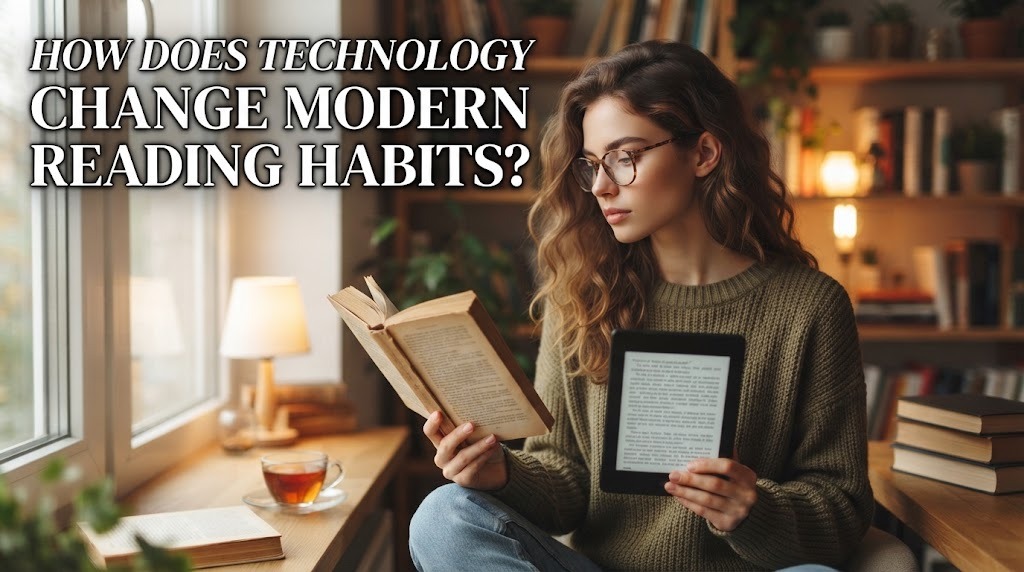
Technology has changed the way people find, access, and consume written information. In the past, reading often depended on printed books, newspapers, magazines, and physical libraries. Today, people can read e-books, online articles, digital newspapers, educational websites, and documents through smartphones, tablets, and computers. These changes have made reading more accessible and flexible for many people. However, technology can also introduce distractions and change how deeply people engage with written content.
MAKES READING MORE ACCESSIBLE
One of the biggest changes technology has brought to reading is easier access to information. People can find thousands of books, articles, and educational materials online without needing to visit a physical library or bookstore. Digital platforms also allow users to search for specific topics within seconds. This convenience makes it easier to read whenever and wherever needed.
Technology can also help people who have limited access to printed materials. E-books and digital libraries can provide reading resources through devices that many people already use. As long as users have suitable devices and access to the necessary platforms, they can carry a large amount of reading material without needing physical storage.
CHANGES FROM PRINTED TO DIGITAL READING
Modern readers increasingly use digital devices for reading. Smartphones, tablets, laptops, and e-readers allow people to access different types of content on one device. Students, for example, can read digital textbooks and research materials while studying at home or at school.
Digital reading also offers features that printed materials may not provide. Readers can often adjust font sizes, search for words, highlight passages, or use built-in dictionaries. These features can make reading more flexible and personalized, particularly for people who need specific accessibility options.
ENCOURAGES SHORTER READING PATTERNS
Technology has contributed to the growth of short-form content, including brief articles, social media posts, summaries, and short news updates. People can quickly scan information and move to another piece of content. This can be useful when someone needs a quick answer or has limited time.
However, frequent exposure to short content may affect reading preferences. Some readers may become more accustomed to quick information consumption and find longer texts less attractive. This does not mean digital technology automatically reduces reading ability, but the type of content and reading behavior can influence how deeply people engage with information.
CREATES MORE DISTRACTIONS
Digital reading often happens on devices that provide access to many other activities. While reading an article, users may receive notifications, messages, advertisements, or social media updates. These interruptions can make it difficult to maintain concentration.
For this reason, digital readers may need to manage their environment carefully. Turning off unnecessary notifications or using focused reading settings can help reduce interruptions. Developing digital reading discipline can make it easier to concentrate on longer or more complex texts.
PROVIDES INTERACTIVE READING EXPERIENCES
Technology can make reading more interactive. Some digital materials include videos, audio, animations, hyperlinks, quizzes, or interactive illustrations. These features can provide additional explanations and help readers explore related information.
Interactive content can be especially useful in education when it supports the main text rather than replacing it. For example, an educational article may include a diagram or video that explains a difficult concept. When used appropriately, these features can make learning more engaging and accessible.
SUPPORTS PERSONALIZED READING
Digital platforms can provide readers with recommendations based on their previous interests and reading behavior. This can help users discover new books, articles, and topics that may be relevant to them. Search tools also allow readers to find information according to their specific needs.
Accessibility features can further personalize the reading experience. Readers may be able to change text size, screen settings, or other display options depending on the platform. These tools can make digital reading more comfortable for people with different reading preferences and needs.
CHANGES HOW PEOPLE SEARCH FOR INFORMATION
Technology has made information searching much faster. Instead of searching through an entire physical book, readers can use search functions and digital databases to locate specific words or topics. Search engines can also direct users toward numerous sources within seconds.
This convenience creates a new responsibility. The availability of large amounts of information does not mean that all information is accurate. Modern readers need information literacy skills to check the credibility, author, date, evidence, and purpose of a source before accepting its claims.
SUPPORTS SOCIAL READING
Technology allows people to share and discuss reading materials online. Readers can participate in book communities, discussion groups, digital forums, and social platforms where they exchange recommendations and opinions. This can make reading a more social experience.
Online discussions can also expose readers to different interpretations of the same book or article. However, users should communicate respectfully and avoid relying entirely on popular opinions. Combining social interaction with independent evaluation can create a healthier digital reading experience.
AFFECTS STUDENTS' READING HABITS
Technology has significantly influenced how students access learning materials. Students can use digital textbooks, educational websites, online journals, and learning platforms to support their studies. This can make academic resources more accessible and allow students to study beyond the classroom.
At the same time, students may face distractions when studying on connected devices. Social media, entertainment, and notifications can interrupt their attention. Schools and families can help students develop responsible digital reading habits by teaching them how to manage distractions and evaluate online information.
DOES TECHNOLOGY IMPROVE OR REDUCE READING?
Technology does not have a single effect on reading habits. Its impact depends on how people use digital tools and what they choose to read. Technology can encourage reading by making information affordable, accessible, searchable, and convenient. At the same time, excessive distractions and a preference for very short content can make deep reading more difficult for some people.
A balanced approach is therefore important. People can combine digital and printed reading depending on their purpose and preferences. Reading longer texts without distractions can support deep understanding, while digital tools can provide convenience and quick access to additional information.
CONCLUSION
Technology has changed modern reading habits by making reading more accessible, flexible, interactive, and personalized. Digital devices allow people to access large amounts of information, search for specific topics quickly, and use tools that support different reading needs. However, technology also creates challenges such as distractions, short-form content, and the need to evaluate unreliable information. Developing strong digital literacy and reading discipline can help people gain the benefits of technology without losing the ability to engage deeply with important texts. Ultimately, technology can strengthen modern reading habits when it is used thoughtfully and responsibly.
Recent Posts

Bagaimana Sistem SKS pada Program Kuliah... 22.11.2026/35 View

How Does Technology Make Daily Evaluation... 21.11.2026/69 View

Apa Strategi Menghadapi Kesenjangan antara Kompetensi... 21.11.2026/70 View

Mengapa Inventaris Aset Penting bagi Kelancaran... 21.11.2026/67 View

When Should Musicians Join a Record... 21.11.2026/69 View
